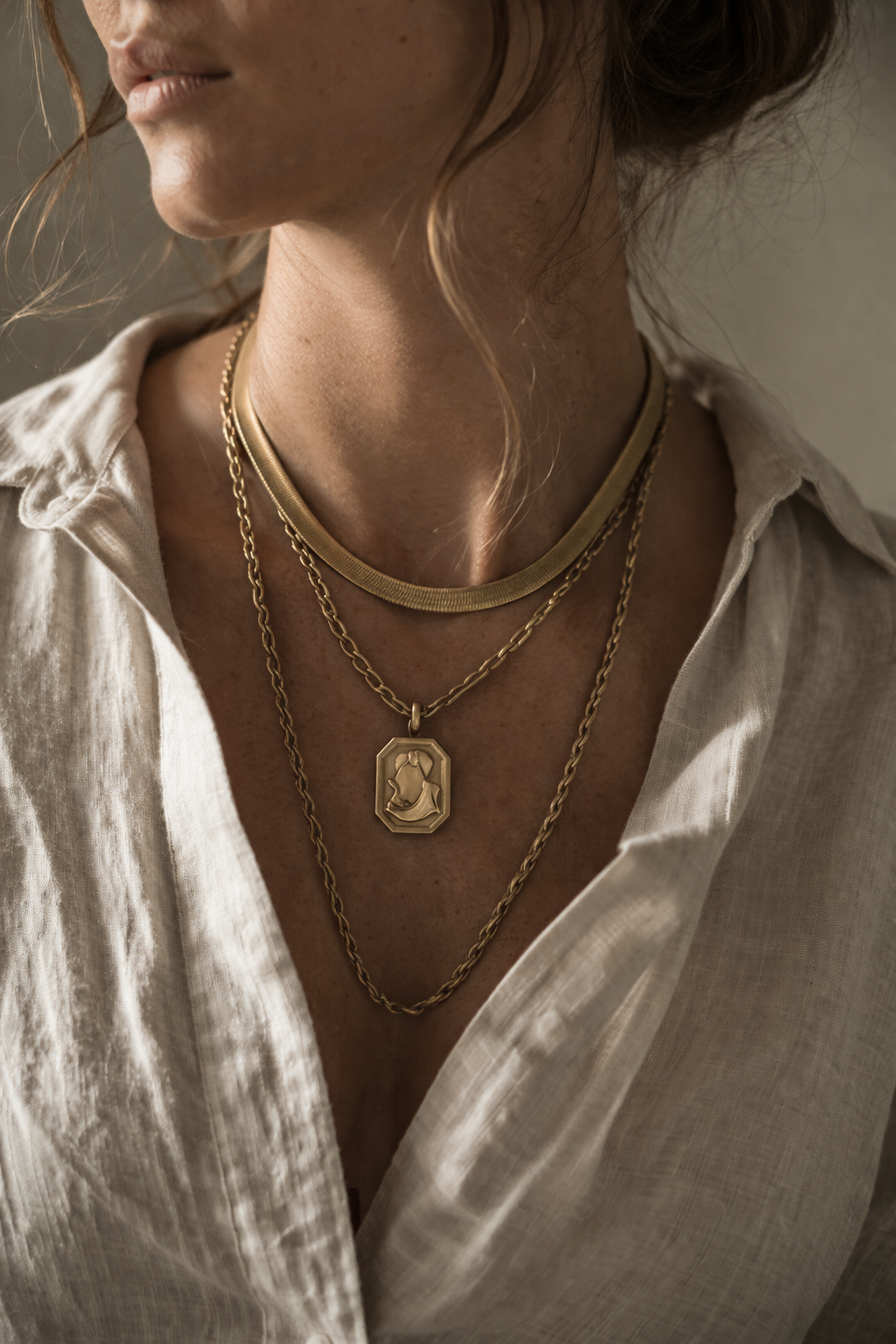
Is Fine Jewelry a Good Investment?
The answer is no for most pieces, at most price points. But the investment framing is doing something more interesting than just being wrong.
You’ve been looking at the same piece for three weeks. Maybe longer. You’ve done the math on whether you can technically afford it, and you can, mostly, probably. The question you’re typing into Google at 11pm, trying to sound responsible to yourself, is “is fine jewelry a good investment.”
The answer is no. For most pieces, at most price points, the financial case doesn’t hold. But the investment framing is doing something more interesting than just being wrong, and pulling it apart turns out to be more useful than answering it.
The Secondary Market Is Not Your Friend (With Some Exceptions)
For most fine jewelry in the $1,000 to $5,000 range, plan on recovering 30-60% of retail if you sell. Jewelry doesn’t depreciate more than other things you own. The problem is the spread between what retailers charge and what the secondary market will pay, and buyers on the back end know they have leverage. Jewelry is illiquid. Selling it takes time. The person across the table knows this.
Some pieces do better.
Signed pieces from major houses hold resale value because Cartier and Van Cleef and Tiffany spent decades building their pieces into cultural objects with active secondary markets. A Cartier Love bracelet reportedly holds close to retail on resale. The premium you paid on the way in is part of what protects you on the way out, because buyers want the name too.
The Love bracelet, incidentally, was designed in 1969 to require a proprietary screwdriver to remove. The original concept was that you’d lock it on a partner’s wrist and keep the key: commitment as industrial hardware. Someone at Cartier understood that the more a piece means, the more it holds. That insight is fifty-five years old and it’s still doing financial work today.
Anyway.
Solid gold has a floor that’s real and verifiable. Look up the spot price, weigh the piece, do the math on metal content alone. For a chunky 18k bracelet at current prices, the raw gold might be worth more than you’d expect. You won’t get spot from a buyer (figure 70-85% through a reputable dealer), but the object has material value that moves with a real market. That floor has climbed significantly over the past five years, which changes the calculus on pieces that used to feel like pure consumption.
Natural colored gemstones, specifically sapphires, emeralds, and rubies, have been appreciating as supply tightens. High quality, well documented, ideally certified. A $2,000 sapphire pendant from a mass-market brand is not going to hold. A well-sourced, certified natural sapphire might be the one category where jewelry functions as a store of value.
And then there’s lab-grown diamonds, which deserve their own uncomfortable paragraph. In 2020, a lab-grown diamond felt like a premium alternative that happened to cost less. In 2026, it’s a commodity. Prices have dropped 80-85% relative to natural diamonds. Resale hovers around 30-40% of what you paid and trending down as production scales up. De Beers spent a century building a world economy on the idea that diamonds are rare and therefore valuable, and technology dissolved the rarity in about six years. The diamonds are still there. The prices are not. If you buy lab-grown because you like the stone and the price works, fine. If you’re buying it expecting it to hold value, you’re buying a depreciating technology product in a ring setting.
Is It OK to Spend This Much?
That’s the question underneath the investment question. The financial language is permission-seeking dressed up in responsible-sounding terminology. Nobody’s actually planning to flip the piece in three years at a profit. They want someone to confirm the purchase.
A vacation costs thousands. You come back with photos and a tan that fades in two weeks. Nobody calls that a bad investment because the value was in living it.
The object stays, though. You wear it Tuesday morning to the office and Saturday night to dinner. It’s there for the job interview and the anniversary and the ordinary Wednesday when you just needed to feel put together. Five years in, a piece stops feeling like something you bought and starts feeling like part of how you look. The ring your mother gave you is worth maybe $800 on consignment. On your hand it’s worth everything. Both numbers are real and they don’t contradict each other.
There’s also the part no balance sheet captures, which is how you carry yourself when you know what you’re wearing was chosen carefully. Anyone who’s put on the right piece before something important knows what this is worth.
Run Different Math
$2,500 bracelet, three times a week, ten years. About $1.60 per wear. Sell it for half what you paid (and with gold where it is, you’d probably do better) and you’ve still spent less per wear than a $30 t-shirt you threw out after a season. The bracelet is on your wrist. The t-shirt is in a landfill.
Cost per wear is the math the jewelry industry should be using instead of the investment pitch. It holds up without optimistic assumptions about resale markets or gemstone appreciation or what the gold price does next year. A piece you wear regularly, in materials that last, is one of the most cost-effective things in your closet per use. Less glamorous than “your jewelry is an investment,” but true.
The other way to run it: if the $2,500 was going to another piece of fast fashion, the jewelry wins easily. If it was going to index funds, the funds win and you already know that. For most people the real comparison is a bracelet against other things that bring them pleasure. Jewelry stacks up well in that comparison because the pleasure repeats.
The Drawer Problem
Everything above is irrelevant if the piece lives in a drawer.
There’s a whole category of jewelry purchase that ends up exactly there: too nice to wear every day, so you save it for special occasions, and the special occasions don’t come, or they come and you wore something else because the nice piece felt like too much. Meanwhile the thing you reach for every morning, the one that’s a little scratched up and has a clasp you can do one-handed, is doing all the work.
The hardest filter to apply, harder than metal purity or brand recognition or secondary market research, is whether you’ll reach for it on an ordinary Tuesday morning when nobody’s watching. Not the dopamine hit of a new purchase. The slow-burn kind: this piece makes my outfit work, makes me feel like myself, and I grab it more mornings than I don’t.
Fine jewelry is a terrible speculation. The people framing it as one know it is. But a piece you wear for years, in solid materials, from someone who stands behind the work, is one of the better ways to spend money on yourself. Most of what you buy is gone in a season. The jewelry is still there.

Fine Jewelry Started Ungendered And Never Stopped
Jewelry was sorted by rank for five thousand years and by gender for about one century. The men's and women's split is commercial noise rather than a property of the adornment: where gendered jewelry came from, and what it should and should not change about what you buy.
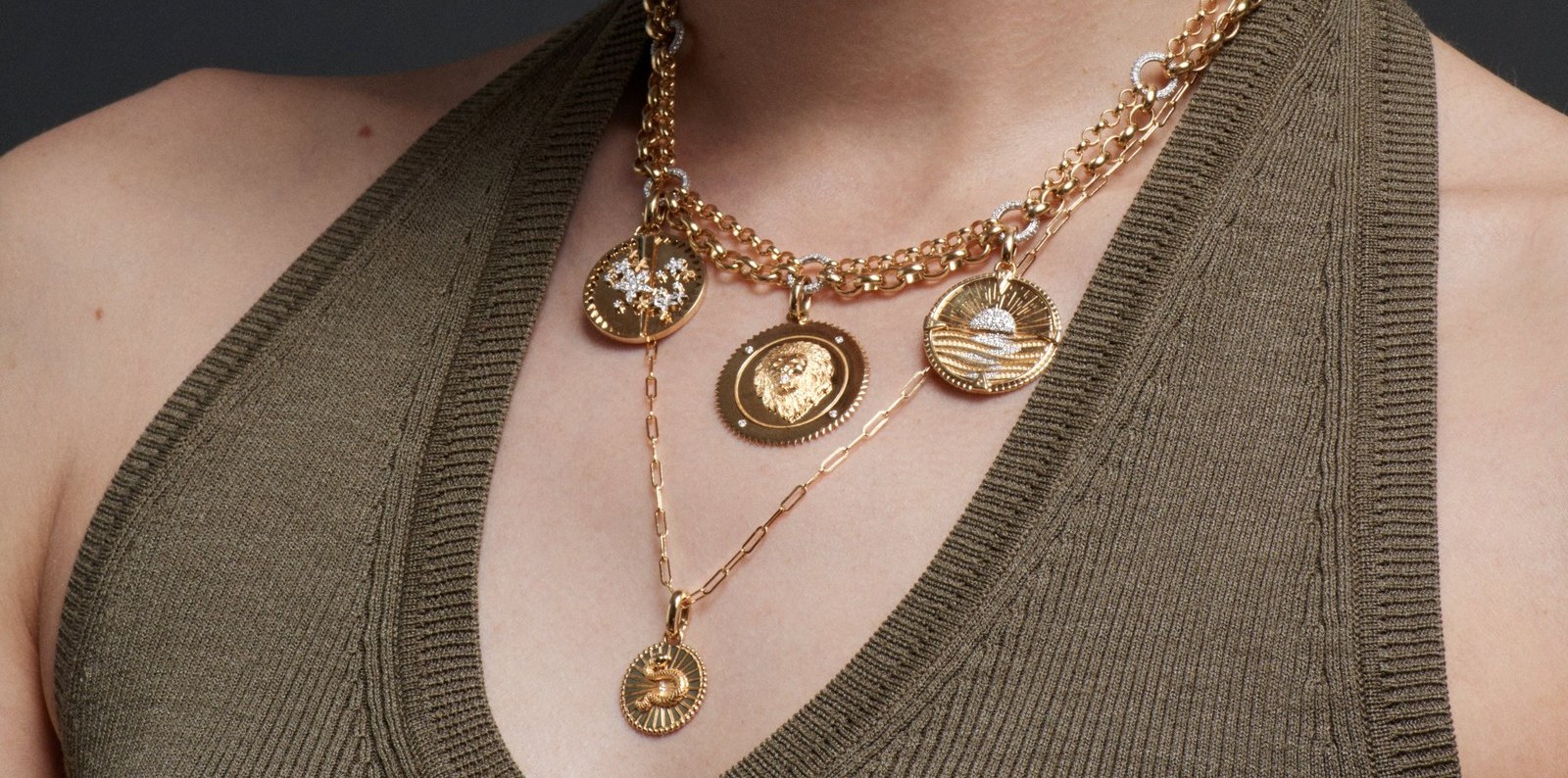
The Independent Jewelry Brands That Hold Their Value
Spending real money with an independent jewelry designer means trusting your own eye instead of a famous name. The used market is where that trust gets tested, because nobody pays most of retail for a secondhand piece as a favor. Seven designers pass that test on their signature pieces, and have for years.
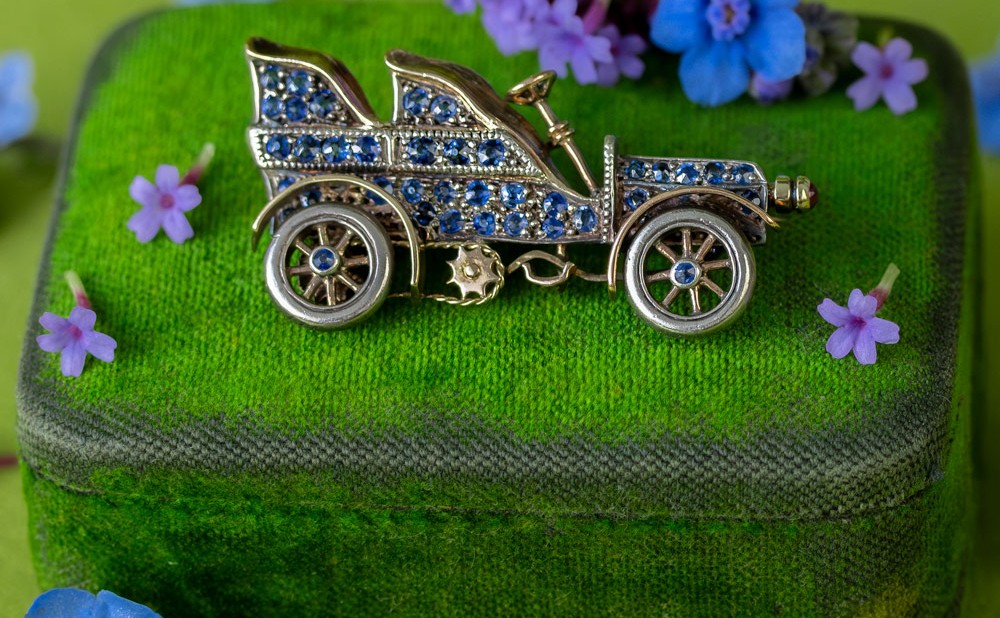
The Fine Jewelry Brooch: Where It Came From, Why It's Back, and Where It's Going
The brooch fastened clothing for thousands of years before it became pure ornament. The history of the clasp turned decorative shows where it's headed as jewelry, plus the COVID origin of its most recent return, what recent fashion shows added, and why brooches worth buying now are waiting for you in estate sales and dusty cases.
The newsletter.
One email when something is worth your attention. New essays, the buying calls behind them, and what we’re watching in the trade. No roundups, no affiliate dumps.