Buying Your First Serious Piece of Fine Jewelry
A serious piece of fine jewelry is one of the few things you can buy yourself that doesn't lose its value the moment you own it. A case for buying your first one, and how to choose it well.
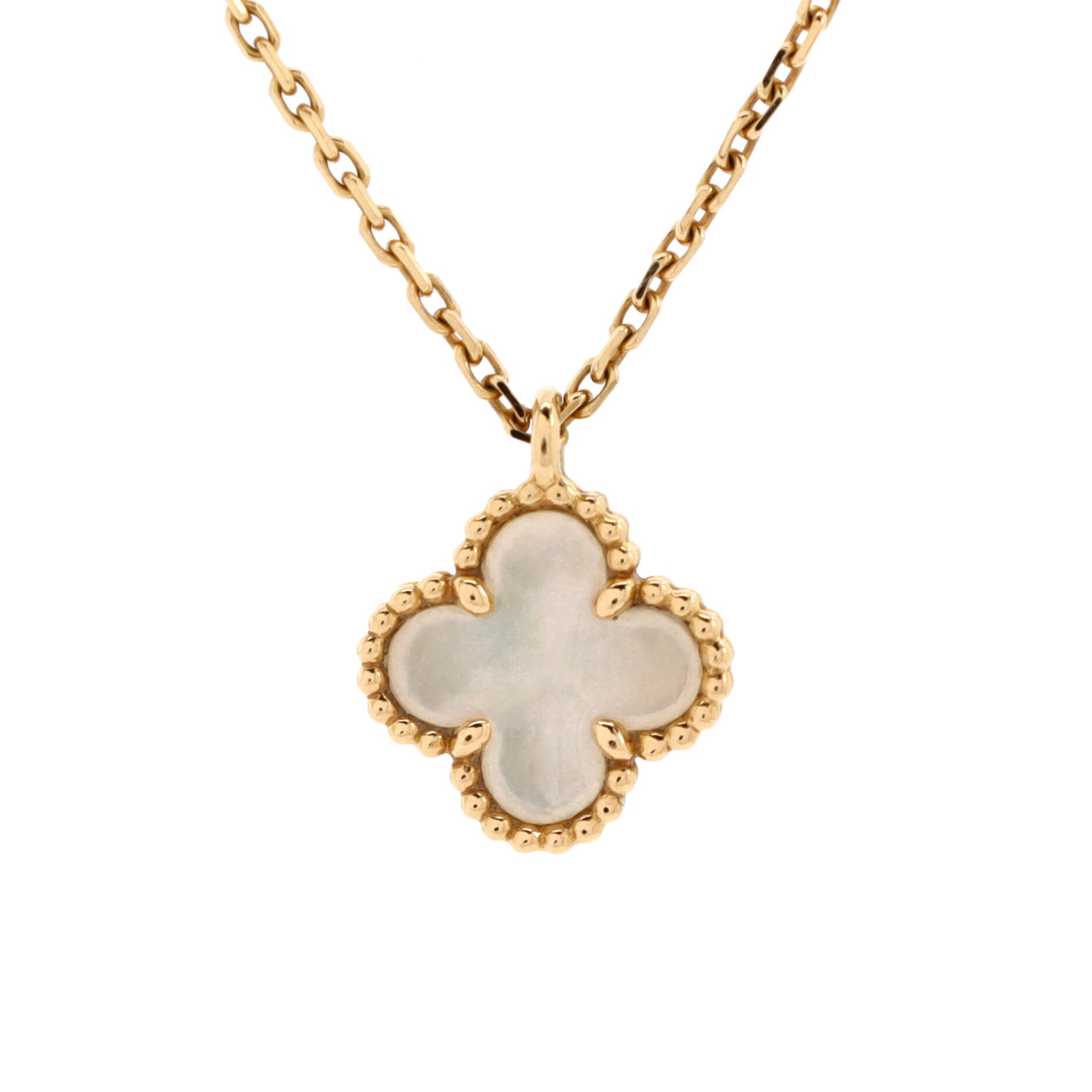
A friend of mine got her year-end bonus last December, not long after her divorce finally closed. It had dragged on, and she was mostly just relieved it was over. So she did both things at once: took the bonus, walked into Cartier on Fifth Avenue, and bought herself the necklace she’d been circling for two years.
I went with her. They sat us in a private room and brought champagne, more of an occasion than I’d expected. She tried on three necklaces while the associate talked through the craftsmanship at a level of detail I couldn’t follow. She picked the one she’d wanted all along. They boxed it in the red box, wrapped that in white paper, and we walked back out onto Fifth Avenue feeling like we’d gotten away with something.
(Cartier opened a second flagship in SoHo recently with a bar on the second floor. Peridot velvet stools, green marble, a rooftop garden. Anyway.)
She wears it constantly and gets compliments from strangers at restaurants, clubs, and yoga class. Colleagues who notice but can’t quite place what changed. Something opened. A version of herself that had been waiting for permission to show up. People who know fine jewelry clock the exact piece. Everyone else just senses she looks more like herself. Both are real. Neither is something she has to ask for.
That necklace was probably the best $3,000 she’s ever spent. Compare that to the long weekend in Aspen, which is a phone roll she’ll scroll past by February. The three-grand couch will turn into a couch she resents in three years. The three-grand car deposit loses value the second she signs. Her necklace is still on her neck. Still worth roughly what she paid for it. And every morning when she clasps it, she remembers that afternoon on Fifth Avenue when she decided she was worth the red box.
What Actually Holds Its Value
Most people treat jewelry spending as pure indulgence and treat other spending as responsible. The numbers say something else.
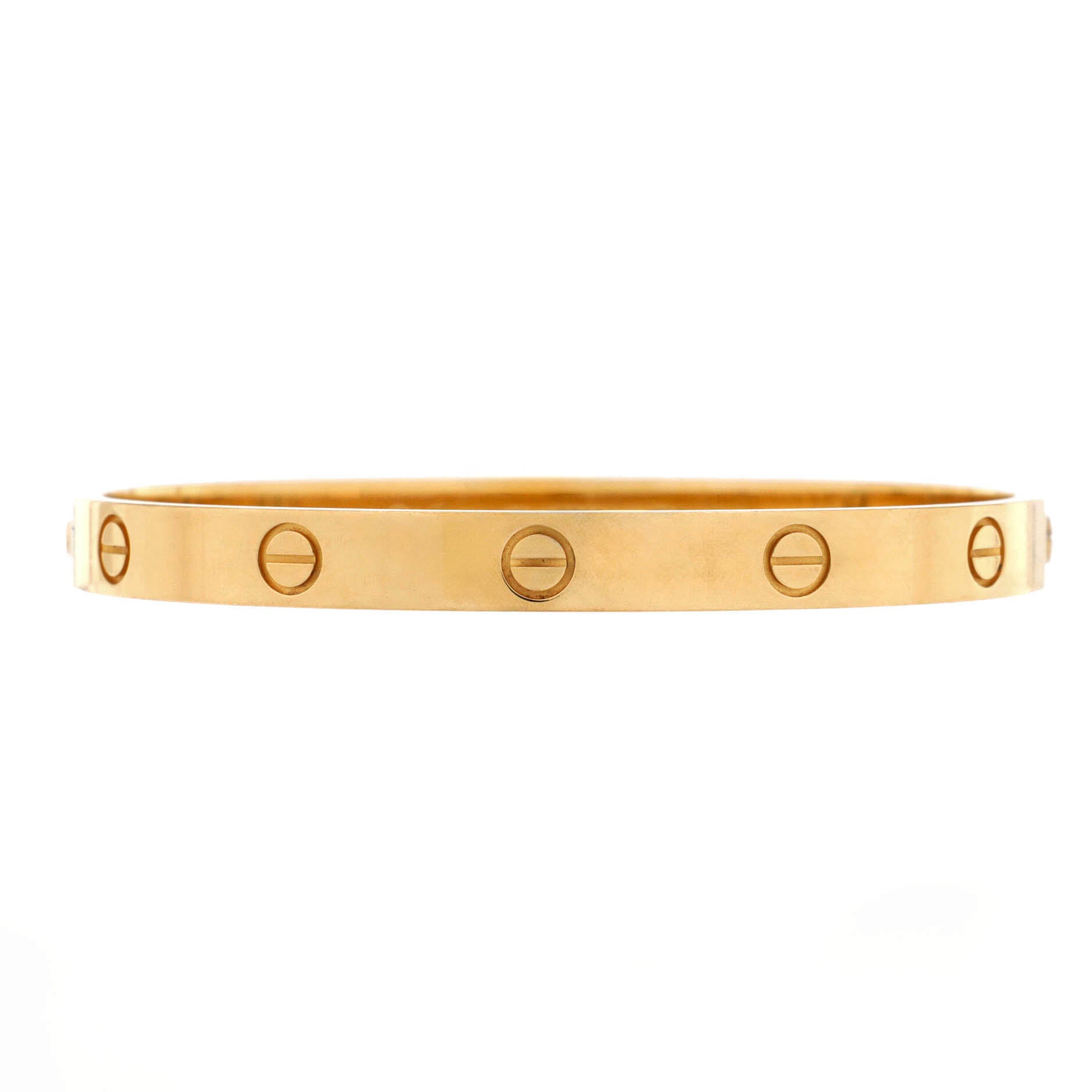
A Classic Cartier Love bracelet, yellow gold, retails at $7,950 and sells across the secondary market (Fashionphile, The RealReal, Rebag) in the $5,500 to $6,400 range. That’s roughly 70 to 80% of retail, ten years on. Van Cleef’s small pieces, Sweet Alhambra pendants, the Butterfly bracelet, routinely list at or above original retail on resale. You’re not making an investment. You’re also not setting money on fire.
Now compare that to what everyone assumes is the jewelry investment, the engagement ring.
If the ring comes from a recognized house (Tiffany, Cartier, Harry Winston), you’ll get back 40 to 70 cents on the dollar. The brand name and the original box do real work on consignment. If it’s an unbranded ring from a chain store or a local jeweler, even a beautiful one, you’re closer to 20 to 30 percent of what was paid. The diamond is worth what the diamond is worth, and a GIA cert helps, but the setting and the sentiment evaporate. Lab-grown sits at 10 to 30 percent of purchase price, and a lot of sellers can’t find takers at any price. The technology that made lab diamonds so much cheaper than mined ones keeps getting cheaper, which means your stone competes against a brand-new one that costs less every year.
So a woman who buys herself a $3,500 Cartier necklace with bonus money is making a better financial decision, in pure resale terms, than most people who receive a $3,500 engagement ring. Nobody frames it that way because the engagement ring comes with a story (commitment, tradition, romance) and the self-purchase comes with a different one (indulgence, vanity, shouldn’t you be saving?).
The self-purchase story is wrong. Eighty percent of American adults now buy fine jewelry for themselves rather than wait for someone to give it to them. The number is 86% for millennials.
How a Serious Piece Reads in a Room
A serious piece changes the way some rooms read you. Nobody at the grocery store is evaluating your necklace. But the dinner where you’re meeting your partner’s friends for the first time. The interview where you want to be taken seriously without saying so. The gallery opening where everyone is making quiet assessments about everyone else’s taste.
You’ll notice people noticing. It’s quick, almost professional. I watched it happen at a restaurant a few months ago. My girlfriend and I had walked in to celebrate something, and there was a mix-up with the reservation (she’d booked the other location, which is its own story). The hostess asked who I was with. I pointed to my girlfriend at the bar, ten feet away, talking to someone. And I watched the hostess give her a scan. Top to bottom, fast but thorough: hair, earrings, necklace, bracelets, shoes. Two seconds, maybe three. She smiled. “I’ll find you a good table.”
I can’t tell you the necklace got us the table. I can tell you the scan happened, and that in rooms where someone is deciding something about you (a table, an opportunity, a first impression), the details register before you’ve said anything about yourself. Jewelry is one of those details.
A Van Cleef Alhambra pendant is recognizable without broadcasting money. The woman at the next table wearing the same one chose the same design, maybe for completely different reasons, and now you have something to talk about.
Choosing the Piece
Most people’s instinct is to start small. Thin chain. Simple studs. Something safe. Fine if it’s what you want. But if the goal is a piece that changes how you feel when you put it on and holds its value over time, the math favors fewer and better.
A single recognizable piece from a house with a strong secondary market (Cartier, Van Cleef, Bulgari) will do more for you, emotionally and financially, than three mid-range pieces from brands no one will recognize in five years. A handful of independents (Spinelli Kilcollin, Foundrae, a few others building real followings) will give you more personality per dollar than the big houses at the same price point, and their secondary markets are starting to surface on platforms like The RealReal.
The big houses are not without their complications. Wait times on certain Cartier pieces run months. Van Cleef boutique staff vary enormously. The same location can feel welcoming one visit and subtly unwelcoming the next depending on who’s working. Resale value and brand cachet are real, but they come attached to a service experience that is inconsistent in ways that feel personal even when they’re not. If you want to understand what you’re actually buying into before you go in, Why Brand Matters gets into it.
Will you wear it on a Tuesday? Set aside the wedding and the night out. Tuesday. To work. To pick up your kid. To the grocery store you said nobody evaluates you at. The piece that lives on your body becomes part of how you carry yourself. The piece in the velvet pouch in your dresser is furniture. If you’re choosing between something flashier for $3,500 and something simpler for $2,000 you’d never take off, buy the $2,000 piece. You’ll get more total hours of feeling like yourself out of it.
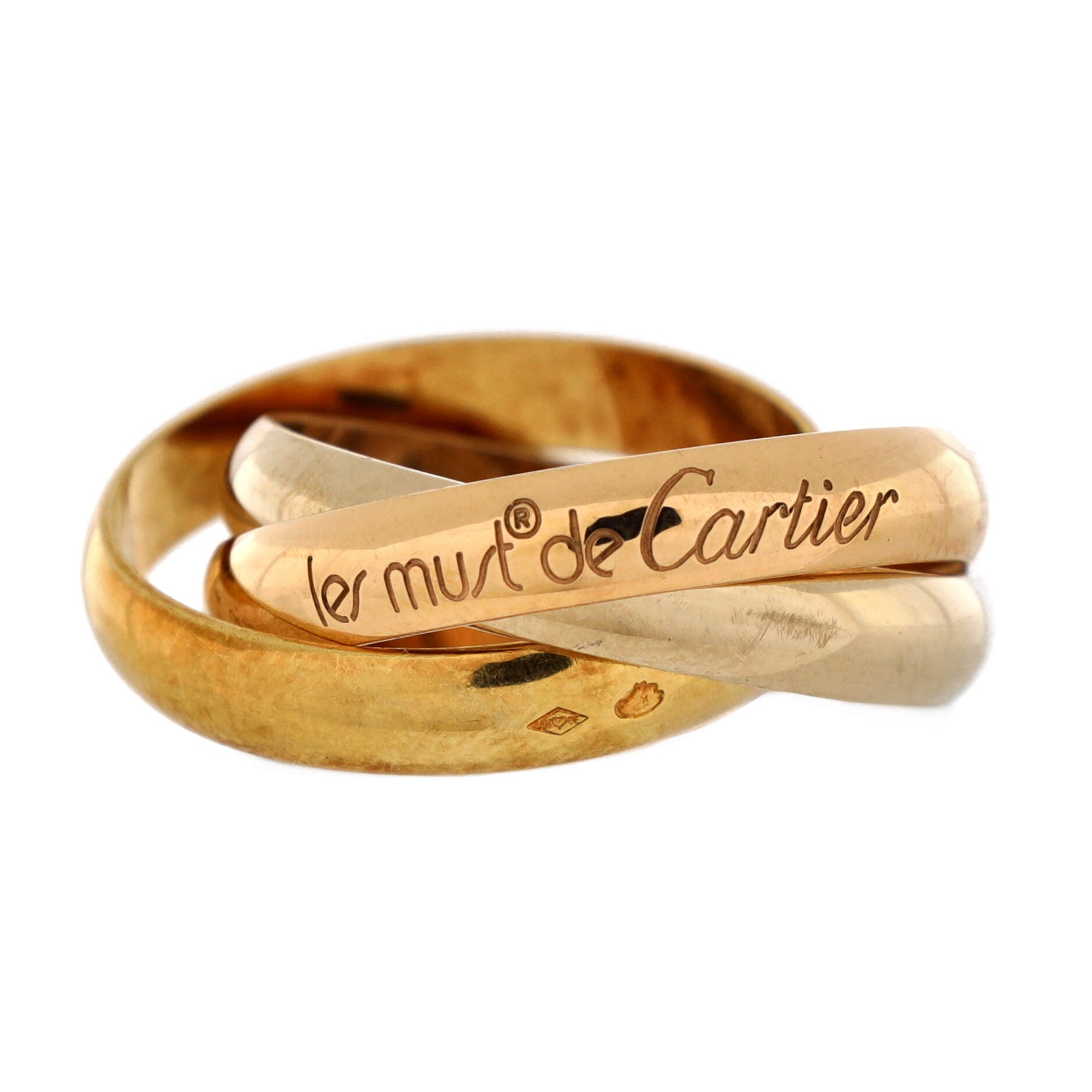
Is the design the house, or the moment? A Cartier Trinity ring has looked the same since 1924. An Alhambra pendant has looked the same since 1968. These pieces survive trends because they weren’t designed in response to one. If you’re spending toward the top of this range ($3,000 to $5,000), buy the design that’s been there for decades. It’ll still be there when you’re tired of whatever micro-trend made you consider the alternative. Below $2,000, you have more room to follow your gut. A piece from an independent designer with a distinctive point of view can be the thing that starts every conversation you want to have.
Gold shifted the calculation under all of this. It crossed $3,000 an ounce in 2025, then $4,000 in October, then $4,635 by January 2026, and it’s since eased back to around $4,036. A yellow gold piece you bought in 2023 is still worth well more than you paid, even before you factor in brand premium or wear. That doesn’t mean buy gold as an asset. It means the gold pieces you’d have wanted anyway happen to be sitting in a category that’s still up sharply over the past three years. Platinum has not done the same thing. White gold has not done the same thing. If you’re choosing metal and you have no aesthetic preference, the market has answered the question for you.
Walking Into the Room
Walking into Cartier or Van Cleef is intimidating the first time. You’ll feel like you don’t belong, even if you can comfortably afford what you’re about to buy. This is partly the room and partly the reflex of having been told for years that buying yourself jewelry is a frivolous category of spending that requires justification.
You don’t owe them justification. They want you in the chair. Make an appointment, not because you have to, but because they will treat the appointment as a real event and that’s part of what you’re paying for. Bring someone if it makes you more comfortable. Ask to see the piece you came in for, then ask to see one or two adjacent things that you wouldn’t have considered. (You’ll often surprise yourself.) Hold pieces against your skin in natural light, not just under the showroom lights, which are tuned to make everything sparkle. The boutique will keep the box and papers for you if you want. Take them home. They matter on the secondary market years from now, even if you can’t imagine selling.
Wear it home. Past the silk pouch, past the safe, past “for special occasions.” Out onto the sidewalk, into the cab, to dinner that night. The first time you put it on for nothing, in your kitchen on a Wednesday morning, is when you stop owning a special object and start owning a piece of jewelry.
The hesitation is the story you’ve been told about what kind of person buys themselves something like this. That story is wrong. Sit in the chair. Let them bring you champagne. Pick the one you already knew you wanted. Walk out onto the sidewalk with the box. Put it on that night. Wear it to brunch the next morning. Don’t take it off until you find something that surpasses it.
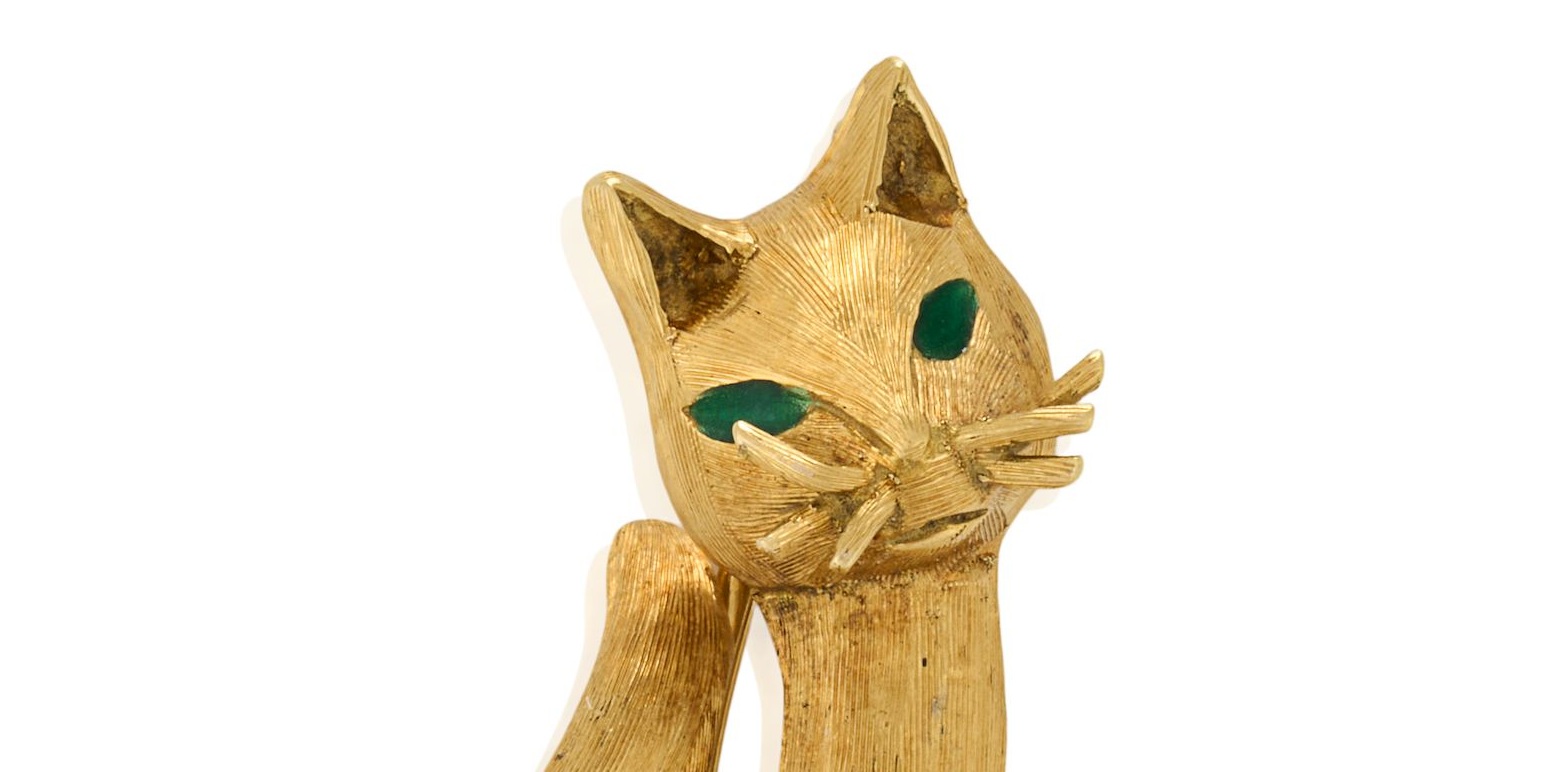
Sandy Lerner Is Rehoming Her Cats: A Tiffany Cat Brooch and Sixty-Five More
The Cisco co-founder spent four decades collecting cats in gold, enamel, amethyst and bronze. On 30 September 2026 Bonhams sells 66 of them in New York, from a $700 carved cat to a $120,000 bronze by the sculptor Rembrandt Bugatti. She is keeping the live ones.
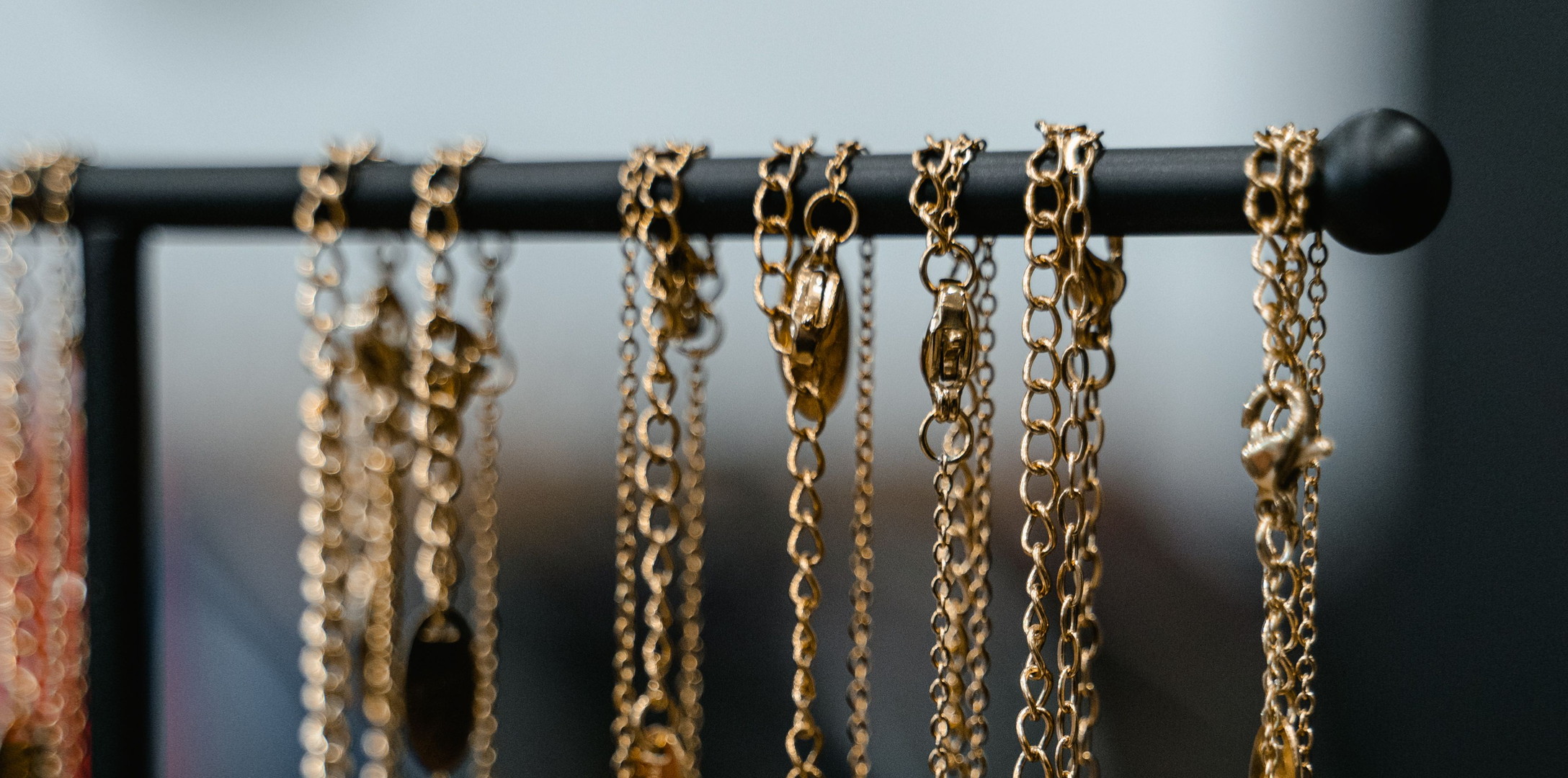
Why Are Jewelry Prices Still Going Up?
Jewelry costs about 15% more than it did a year ago, and it is the gold accounting for most of it. The answer coming back from the jewelry trade and brands is less gold in the piece, which changes what you have to ask for at the counter.
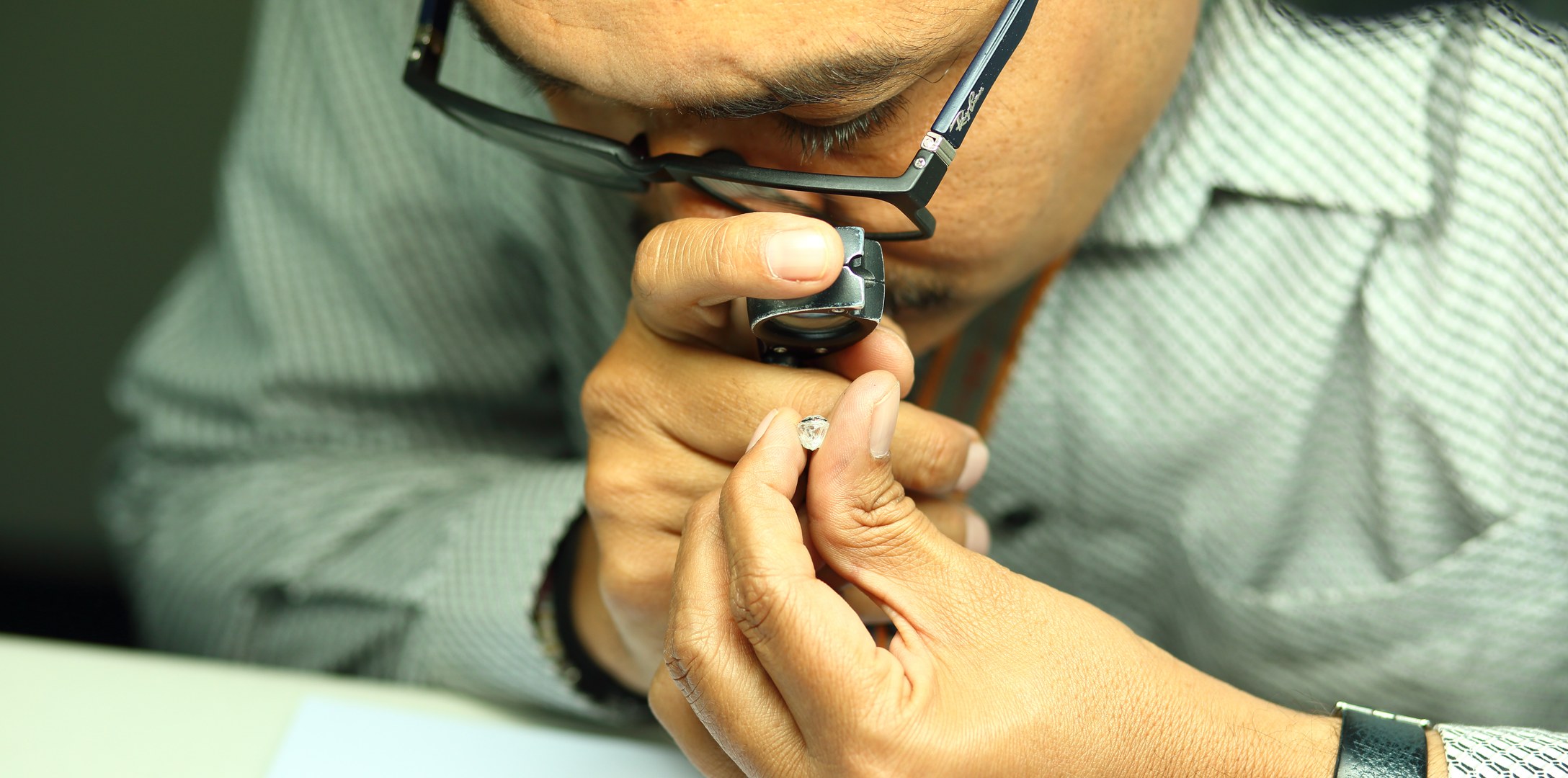
Natural Diamond Prices Are Going Up Again, at Least for Now
Lab-grown stones pushed mined diamond prices down for years. The diamond trade's price index rose again in August, led by small stones. What that changes for you.
The newsletter.
One email when something is worth your attention. New essays, the buying calls behind them, and what we’re watching in the trade. No roundups, no affiliate dumps.