How to Tell If Jewelry Is Well Made
Most jewelry quality advice starts and ends with 'is it real?' If you're buying from a reputable brand, you already know the answer is some form of yes, it's real. The harder question is whether the work is good and it's worth what you paid for it.
You must have heard a variation on this story before, because we’ve all heard it from a friend or an aunt as a warning. Maybe they went on vacation and bought something pretty from a market stall or even a real shop with a case and a receipt and a nice box with tissue paper. It tarnished before they were even off the plane home. Or the clasp broke the third time they wore it. Maybe they still have it somewhere, in a drawer, because they spent real money on it and throwing it away feels like admitting they were taken in. Or it was the ring that turned someone’s finger green. The chain from an Instagram ad that snapped the first time it caught on a sweater. The earrings that lost a stone six weeks in. These things happen constantly, to people who thought they were buying something real, and they’re why most jewelry quality advice starts and ends with the same question: is this thing even real? What is real?
“Real” turns out to be a more complicated word than it used to be. The FTC removed “natural” from its official definition of a diamond in 2018, which means lab-grown stones now meet the technical definition. More than half of engagement rings sold in 2024 had lab-grown centers, according to The Knot’s survey of nearly 17,000 couples who married that year; BriteCo, working from appraisal and insurance data that skews more expensive, has the share just under half. Nobody runs a census of engagement rings, so every number you see is somebody’s sample. The FTC still won’t let you call a lab-grown stone “natural” or “genuine” at all, with or without a qualifier, though it will let you call the stone a diamond as long as “laboratory-grown” sits right in front of the word. And they’re unambiguously diamonds. Same optical properties, same hardness, same carbon structure, just grown in a controlled environment instead of under a mountain for a billion years. Something the industry spent decades insisting wasn’t “real” is now about half the engagement ring market and still climbing. So.
That’s a fair question if you’re buying from somewhere unvetted. But if you’re buying direct from an established brand or a reputable jeweler, the metal is going to be what it says it is. The certificate is going to be legitimate from that brand and the stones are real, however you want to define that. You’ve already passed the authenticity test by choosing where to buy.
Which leaves a different question: is the piece well made? Is the setting going to hold? Did someone finish the back of this ring, or just the part that faces the camera? And when something eventually needs repair, is anyone going to pick up the phone?
Flip It Over
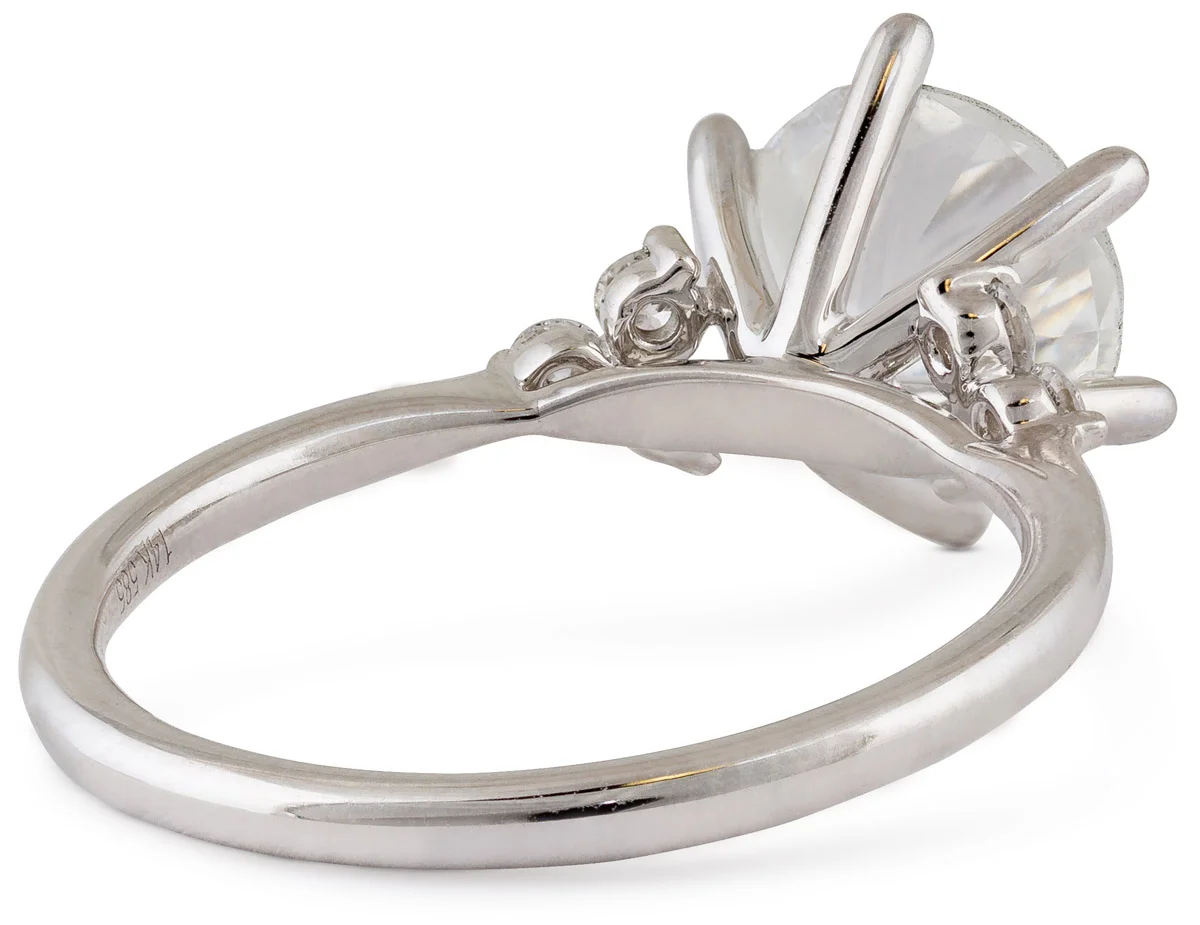
The back of a piece of jewelry is more informative than the front. Most buyers never look at it.
What appeared in the campaign is the front. What happened on the bench is the back. On a well-made ring, the inside of the band is smooth and finished all the way around, with no ridges, no rough patches where casting porosity wasn’t polished out, no raised line where a solder join was filed down but never properly blended. You can feel the difference with your finger. Run it along the inside of the band slowly: a well-finished piece feels like one continuous surface. A piece that was rushed feels like two or three surfaces that were introduced to each other but never fully got along.
The gallery (the inside of the setting, visible from below) is where the real information lives. On a prong setting, the undersides of the prongs should be finished to the same standard as the top. If the front face is polished and the undersides are rough and blocky, that’s information about what the maker considered worth finishing. On a bezel setting, the interior wall should have clean, even curves. Lumpy interior metalwork means the piece left the bench early.
Also check for flash lines from the casting mold that weren’t cleaned up, and solder joins that look raised or discolored. A visible solder seam on a finished piece usually means the joint wasn’t fitted tightly enough before soldering, or the heat wasn’t controlled well, or both. On a $2,500 ring, that seam is a quality control decision someone made about how much your money was worth.
None of this requires training. Turn the piece over. Hold it up to the light. Take thirty seconds. Boutique staff will not find this strange. Experienced buyers do it.
Is It Level
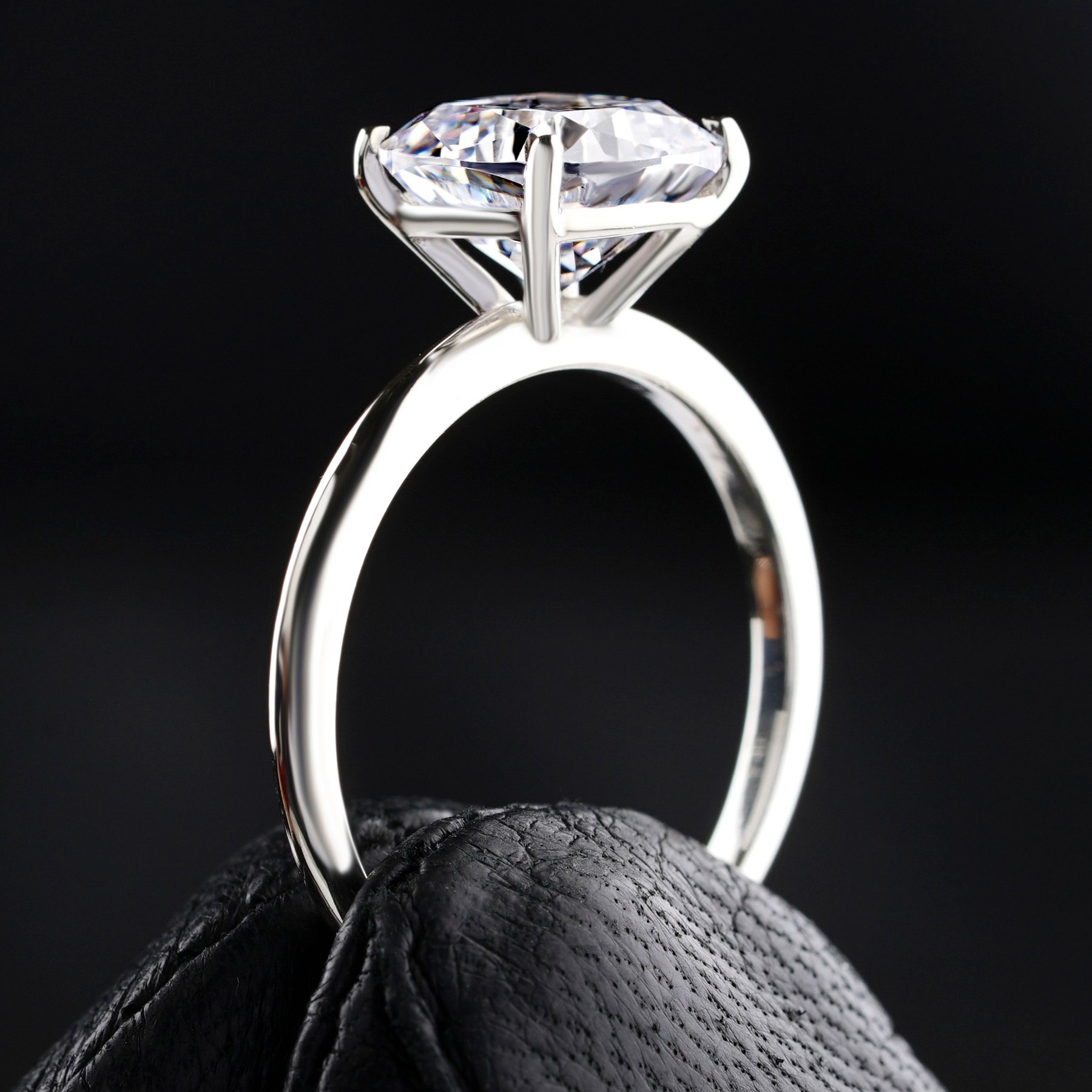
Pick up a prong-set ring and look at the stone from the side, at eye level. The table (the flat facet on top of the stone) should sit level. If it tilts forward or to one side, the stone isn’t seated correctly, and a stone that tilts now tilts worse over time as the prongs wear.
This takes about four seconds. The environment you’re standing in was not designed to encourage it. A jewelry counter is lit and staged to flatter the front of the piece, and turning it sideways at eye level is a move you have to make yourself. Nobody’s going to stop you.
Prongs should sit at even intervals around the stone, each one making contact. On a bezel setting, the metal should wrap the stone with no gap between the wall and the girdle at any point.
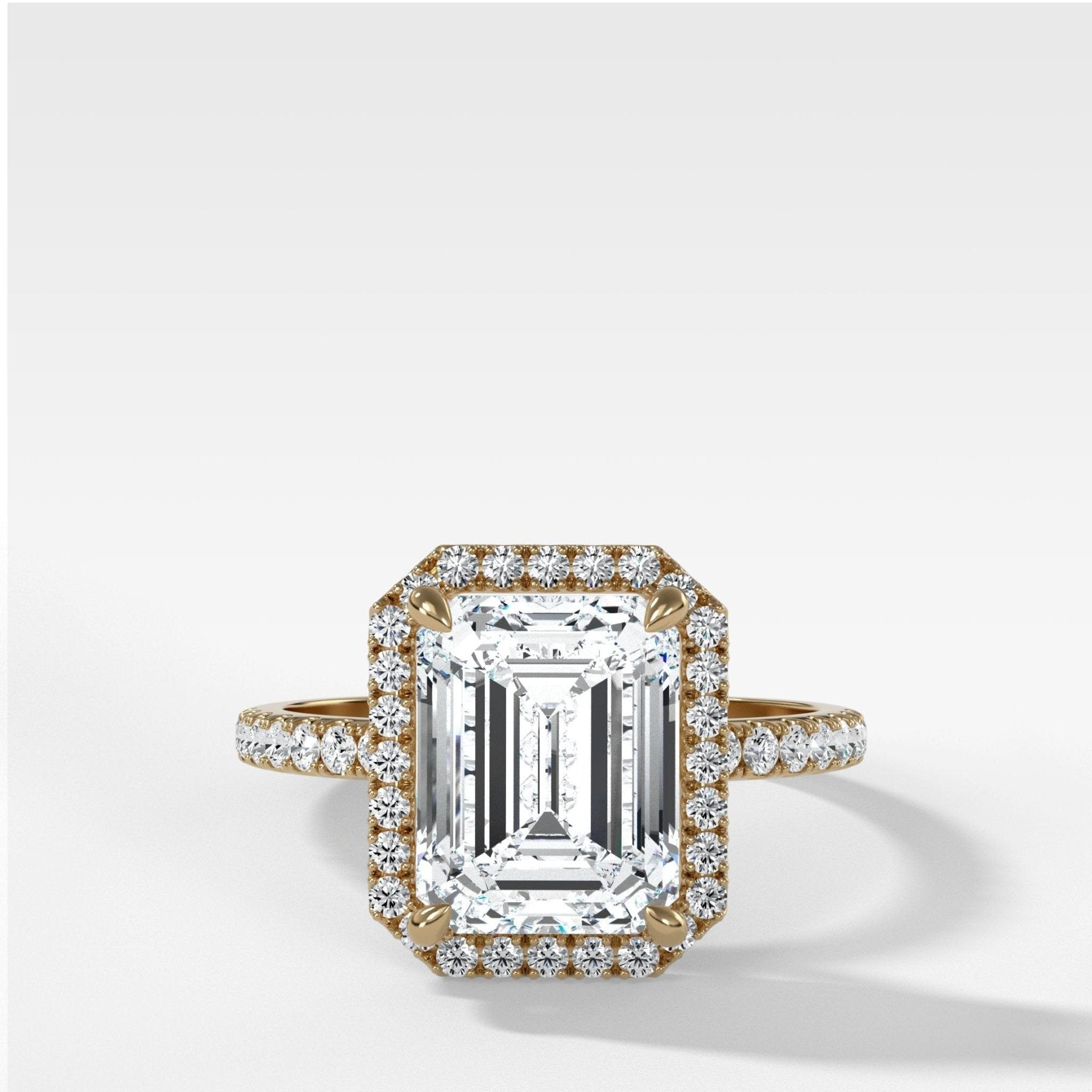
Pavé (French for “paved,” and exactly what it looks like) is a setting technique where small stones are packed closely together across the metal surface, held by tiny beads of metal. Done well, the result reads as a continuous field of sparkle with almost no visible metal between stones. This is what your phone camera is for. Zoom in on the field. You want stones sitting flush at a consistent height, small uniform beads between them. Stones protruding above the metal surface, uneven heights, beads that look too large: that’s a setter working faster than the piece deserved. Oversized beads usually mean the stone wasn’t seated tightly enough and extra metal closed the gap. A good pavé setter cuts a seat for every stone and raises each bead with a graver. You can sometimes catch this in product photography, but check it in person regardless.
Prong Ends
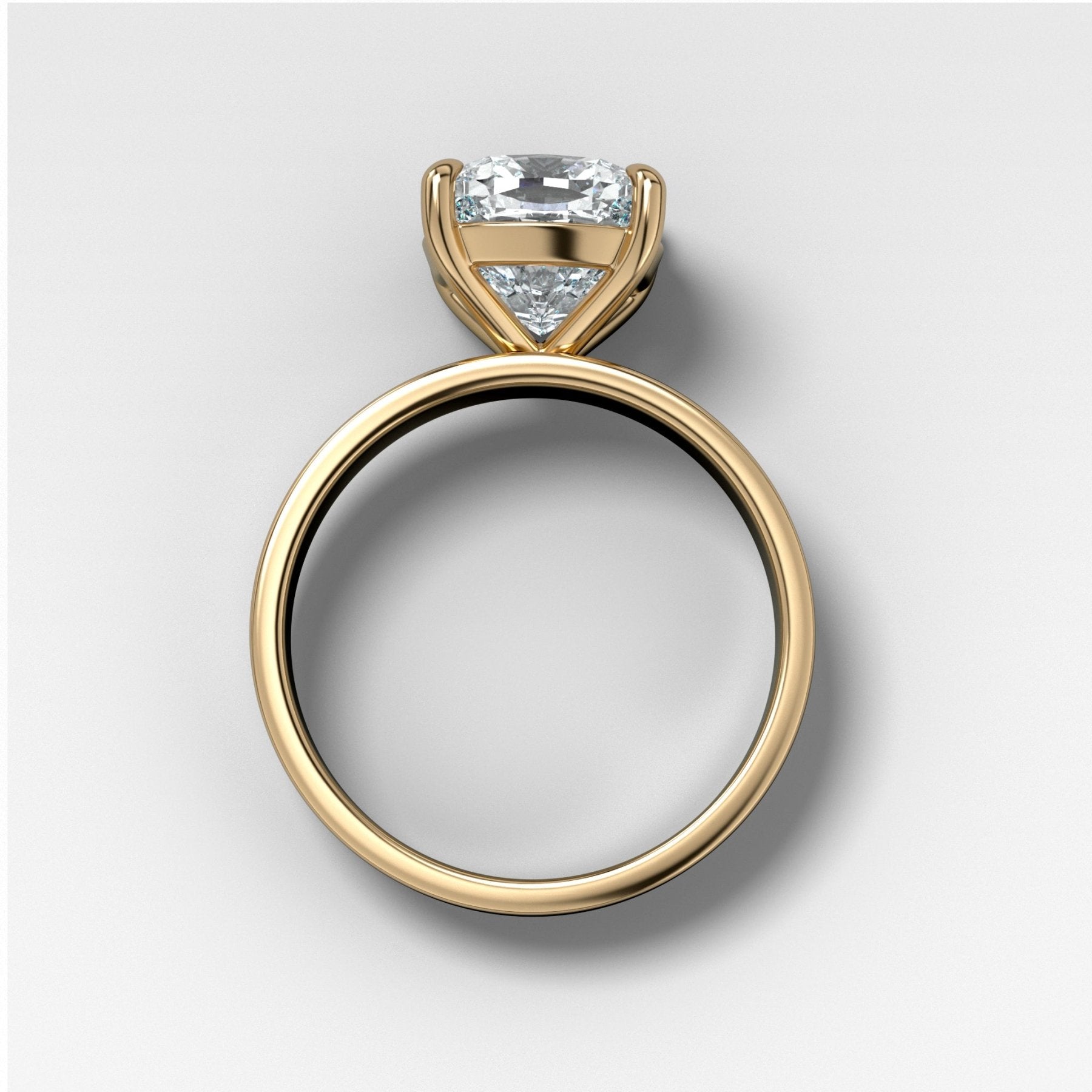
Look at the prong tips.
On a well-finished prong, the tip is rounded and smooth, like a small polished cap. Where the finishing got cut short, tips come out sharper, more pointed, or shaped like a pinch. You won’t always catch that at arm’s length, so zoom in with your phone and it’ll be obvious.
Sharp prong tips catch fabric: knit sweaters, jersey, cashmere. That’s a finishing failure, and it means someone didn’t complete the piece. A pinched prong tip is also structurally weaker than a rounded one, and a prong that flexes under catching will eventually fail. You can check this at the counter in four seconds. It eliminates a meaningful percentage of expensive pieces that didn’t earn their price.
Reading the Surface
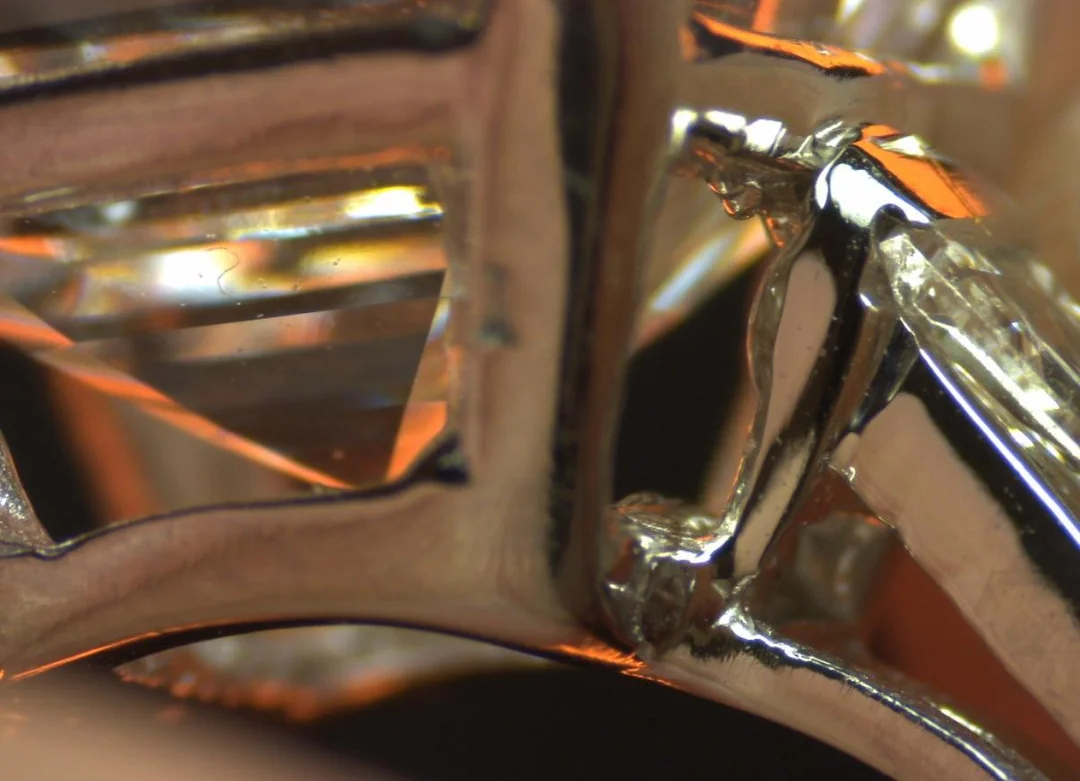
Almost every piece in this price range is cast rather than hand-fabricated. That’s fine. Some brands will tell you their pieces are “handmade” or “hand-finished” as though this distinguishes them from the field. The FTC has guidance on this: “handmade” is supposed to mean the entire piece was shaped from raw materials by hand. “Hand-finished” is a smaller claim and it still has teeth: the rule asks for hand labor and hand control over the effect on each individual piece, which a tray of castings tipped into a tumbler never gets. A brand using either word loosely is the one carrying the exposure. The question is how much finishing they did.
Run a fingernail along the inside of a ring band. Surface roughness where there shouldn’t be any is porosity: tiny cavities from the casting process that the finishing didn’t address. In thicker castings they’re more common, and on some pieces they only become visible after months of wear strips away the initial polish. Look at the junction where the shank meets the setting head. A properly finished join is invisible. If it’s raised, discolored, or visually distinct from the surrounding metal, someone corrected a problem there and left the correction showing.
Between a $350 cast ring and a $2,500 cast ring, the casting is often much the same. The difference, structurally, is how much bench time the piece got afterward. That time shows up in the surface. Or it doesn’t.
What Hallmarks Actually Tell You
A 750 stamp means the piece is 18-karat gold. A 585 stamp means 14-karat. A GIA report tells you the stone’s color, clarity, and carat were graded by an independent lab, and if the stone is a round brilliant, it grades the cut too. Fancy shapes, the cushions and ovals and emerald cuts, get no cut grade at all, just polish and symmetry and the measurements. Confirm all of this. None of it is the quality evaluation.
Hallmarks and reports are the floor. They tell you the piece is what it claims to be. They don’t tell you whether the prongs hold, whether the metal was properly finished, whether anyone picks up when you call about a repair.
The magnet-test industrial complex exists because those tests answer a real question for a specific buyer: is this thing even precious metal? If the piece you’re considering costs more than dinner for four, you already know the answer. The question worth asking is whether the work behind the metal was worth the price on the tag.
The Brand Is Part of the Piece
Most quality guides treat jewelry evaluation as an object problem. That only gets you halfway.
A prong-set stone can fall out from normal wear when prongs loosen over time. This happens. It is ordinary, and it happens to people who did everything right. What happens next depends entirely on the brand.
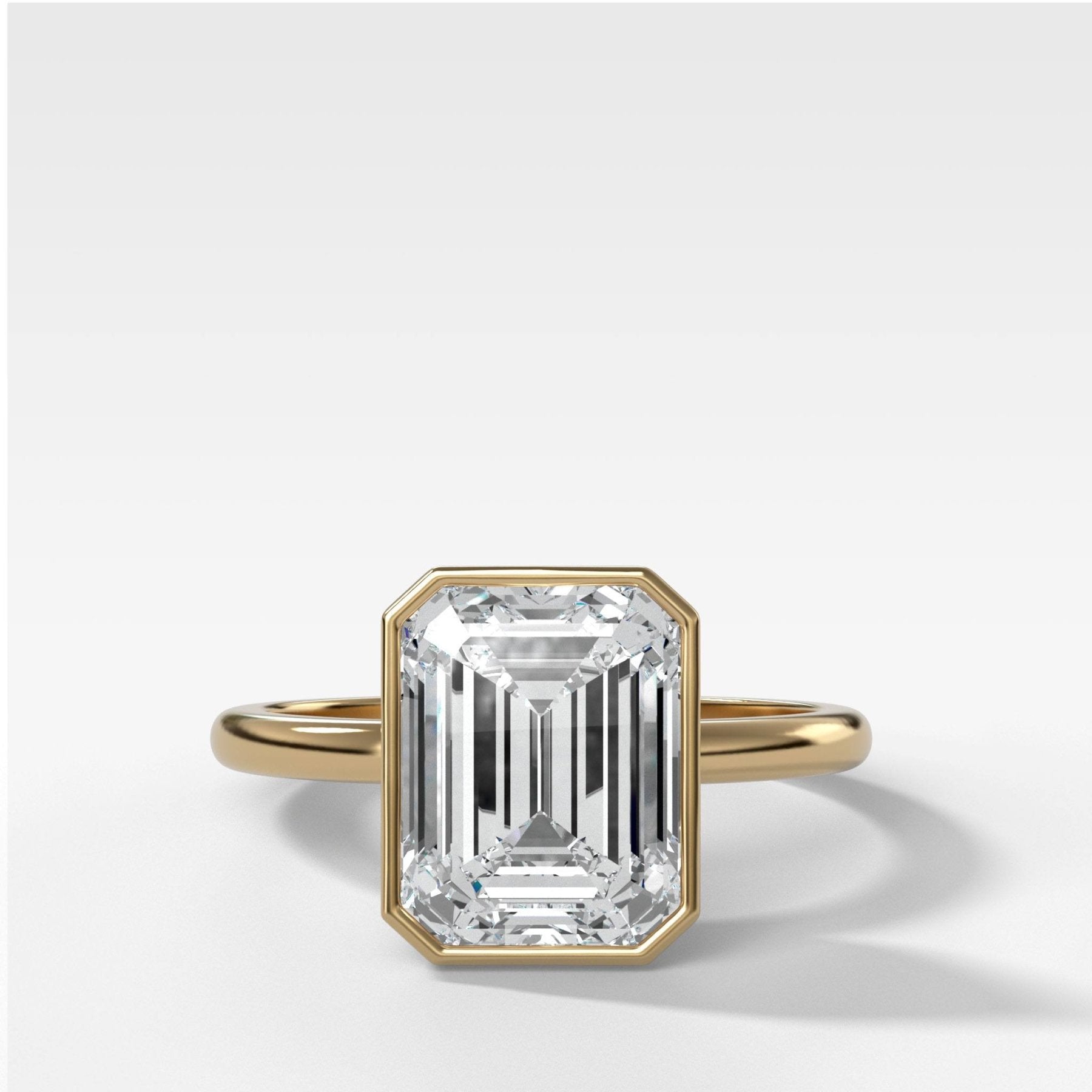
GOODSTONE offers a lifetime warranty that covers resizing, reshaping, polishing, rhodium plating, and stone tightening, plus free replacement for stones under 0.15 carats. Their FAQ then says gemstone replacement carries “a small fee.” The warranty page also drops international orders, and voids the whole thing once another jeweler has resized or altered the piece.
Brilliant Earth also markets a “lifetime manufacturing warranty,” but their policy page explicitly classifies prong wear and stone loss from normal use as non-defects, excluded from coverage. Both brands use the word “lifetime.” The distance between those two policies is worth understanding before you buy from either one.
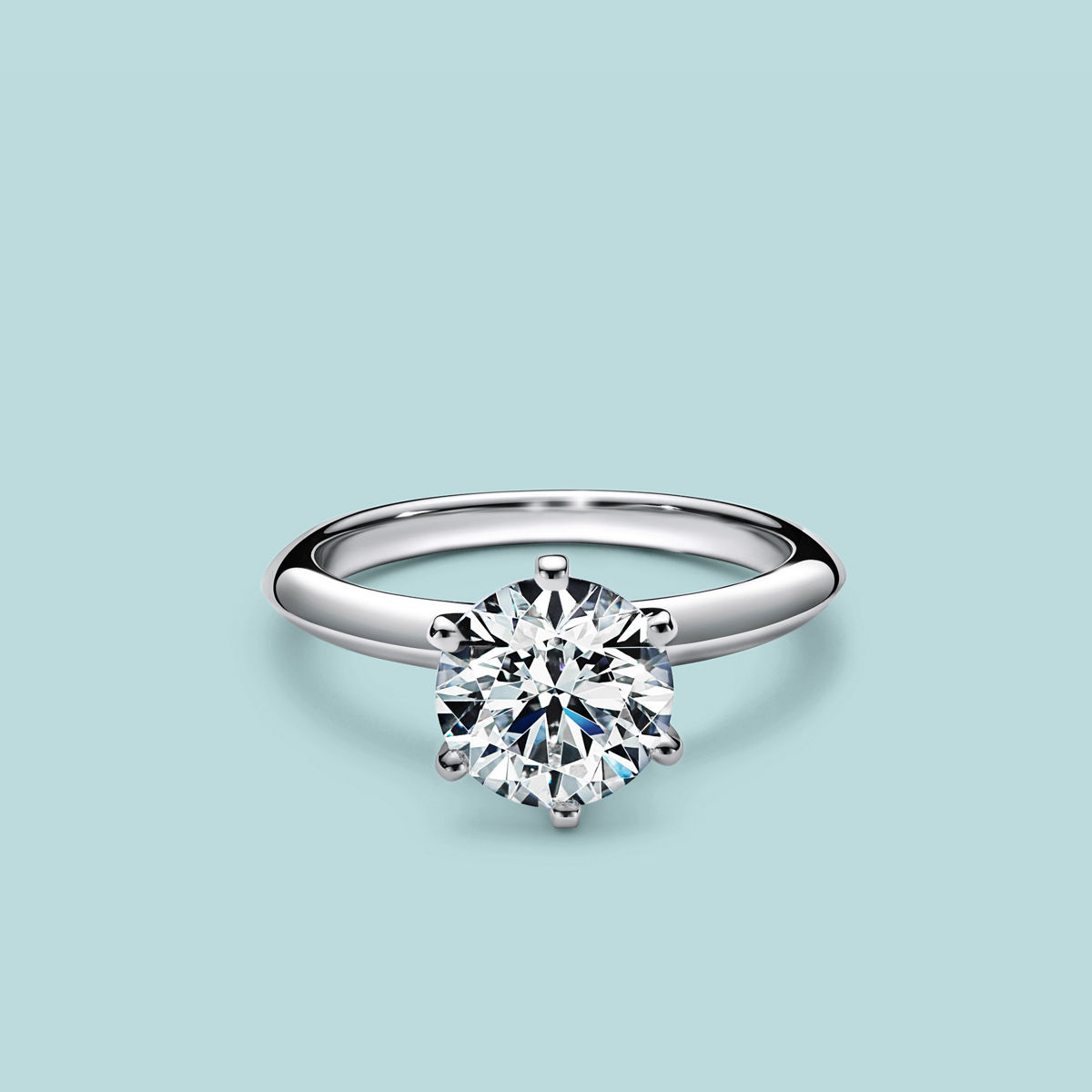
Tiffany will repair your piece. They’re transparent about the process: as of mid-2026, an estimate within ten days, service in three to four weeks, gold or platinum work starting at $175 plus $20 return shipping. That’s a repair shop with a blue box, and you pay by the job.
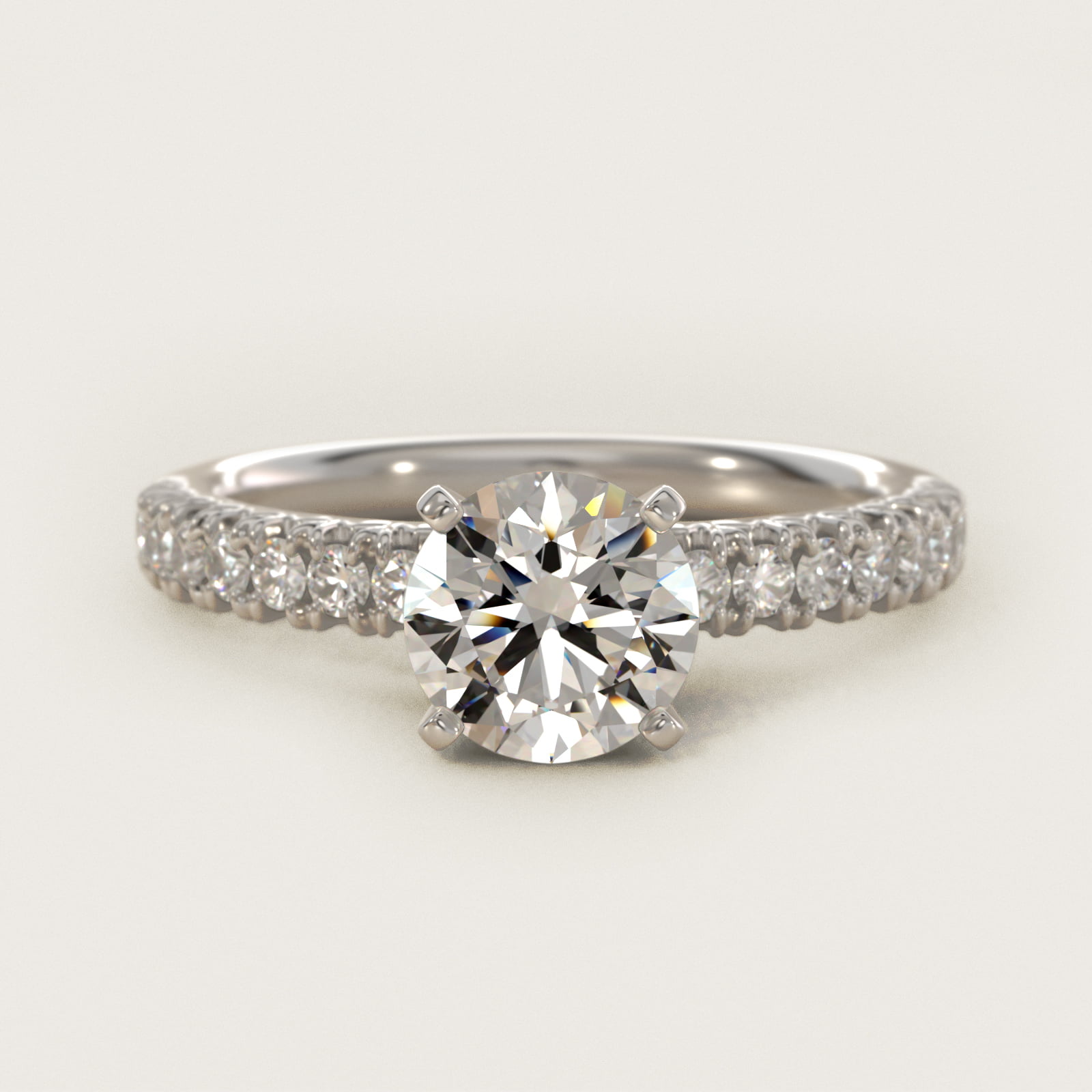
Blue Nile takes a different approach with what it calls, in full, its Limited Lifetime Warranty: free prong tightening and inspection for as long as you own the piece, though you pay the shipping. That’s the single most useful ongoing service a jewelry brand can offer, because loose prongs are how most stones end up missing. They still exclude stone loss from coverage, same as almost everyone. But the free maintenance is prevention, and prevention beats a claim form.
Go look at the review threads for some of the bigger online jewelry names. The complaints that show up consistently are not about aesthetics. Repair waits measured in months. Warranty claims disputed because “wear and tear” exclusions are written broadly enough to cover almost anything that goes wrong with a piece you’re wearing. Pieces sent back for service that come back with new problems. This is public information. Most buyers don’t think to look for it before the sale.
Ask before you buy: what’s covered if a stone comes loose? What’s the turnaround? Is there an in-house bench or does the piece go somewhere else? A brand running a real workshop answers this immediately and specifically. A brand that treats repair as a customer service problem will stall, deflect, or hand you a policy document that puts the cost on you. Worth knowing: Jewelers of America runs a national bench certification program. Most buyers have never heard of it. Most brands with certified bench staff will be happy you asked.
None of this takes long. Turn the ring over. Run a finger along the inside of the band. Look at the prongs from the side. Read the warranty page while the piece is still in the case. Fifteen minutes of attention is usually worth it on a purchase you’ll hopefully wear for years.
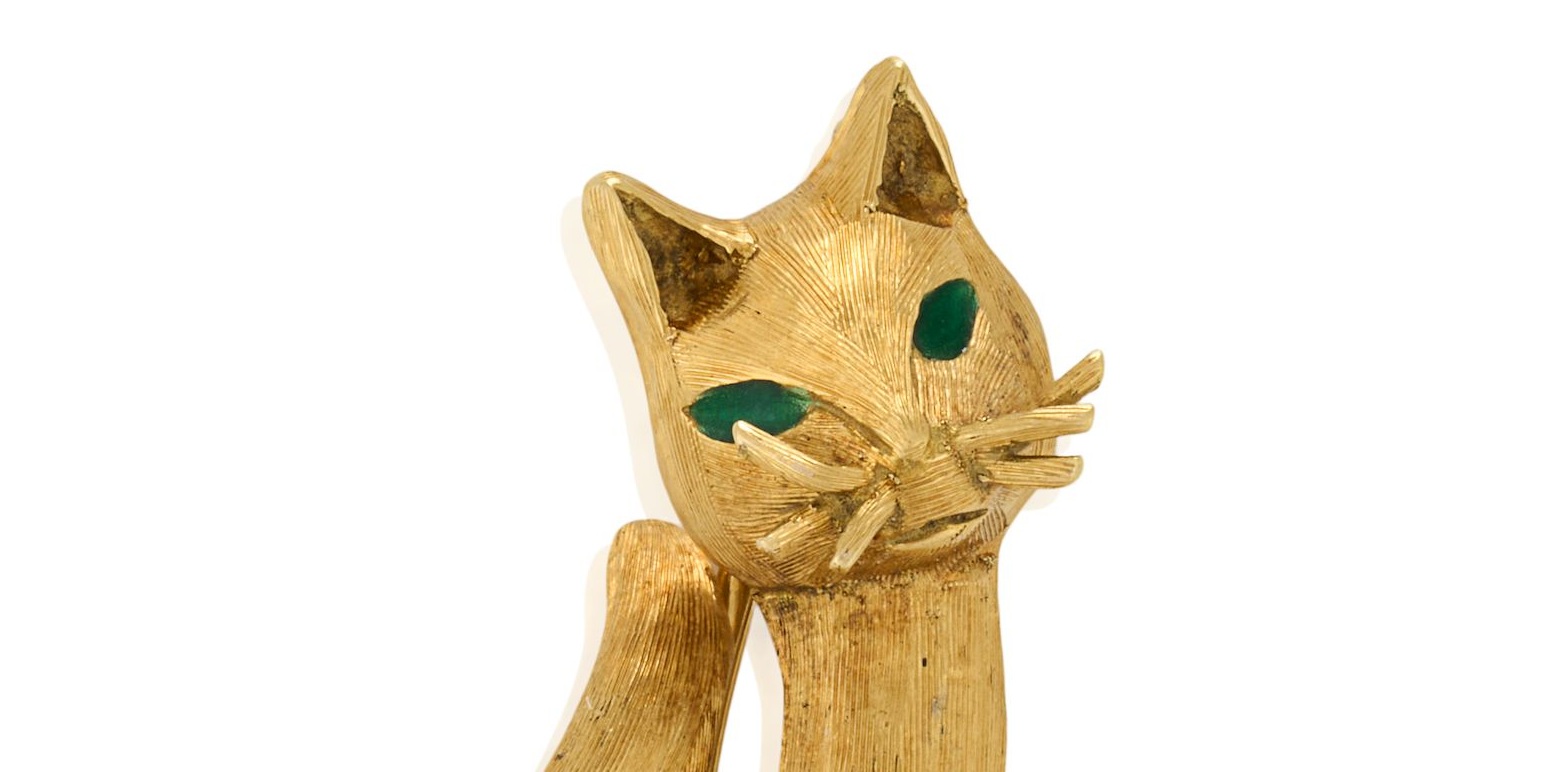
Sandy Lerner Is Rehoming Her Cats: A Tiffany Cat Brooch and Sixty-Five More
The Cisco co-founder spent four decades collecting cats in gold, enamel, amethyst and bronze. On 30 September 2026 Bonhams sells 66 of them in New York, from a $700 carved cat to a $120,000 bronze by the sculptor Rembrandt Bugatti. She is keeping the live ones.
Why Are Jewelry Prices Still Going Up?
Jewelry costs about 15% more than it did a year ago, and it is the gold accounting for most of it. The answer coming back from the jewelry trade and brands is less gold in the piece, which changes what you have to ask for at the counter.
Natural Diamond Prices Are Going Up Again, at Least for Now
Lab-grown stones pushed mined diamond prices down for years. The diamond trade's price index rose again in August, led by small stones. What that changes for you.
The newsletter.
One email when something is worth your attention. New essays, the buying calls behind them, and what we’re watching in the trade. No roundups, no affiliate dumps.