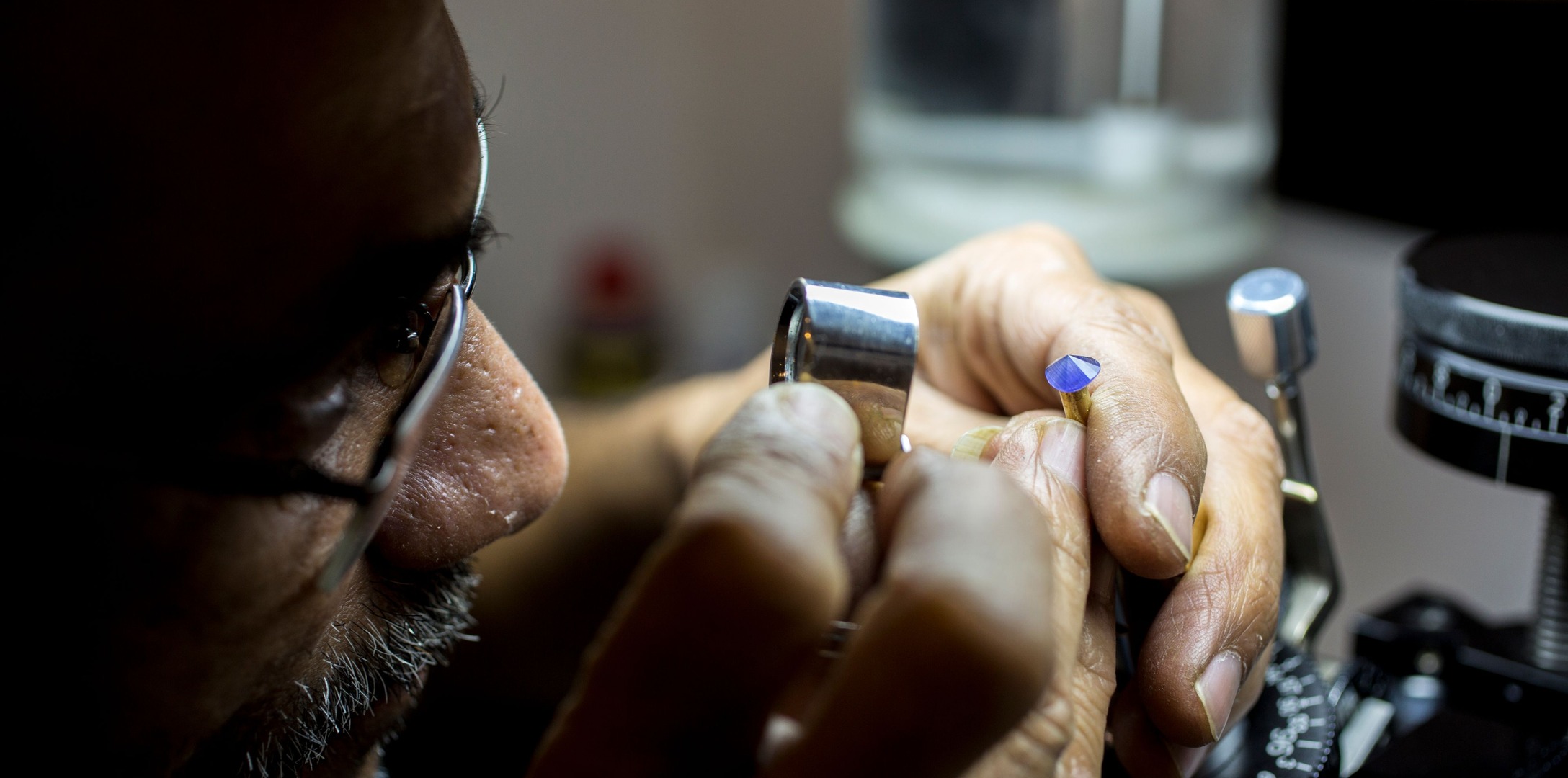
Nestor Cortez via Pexels, Pexels licence
Is a Synthetic Diamond a Real Diamond? Yes, Whatever the Tag Says
A US trade group told its members to print synthetic instead of lab-grown, and in September the world jewelry body urged the same word internationally. The stone is the same carbon either way: what to weigh instead, and why a diamond grown out of gas is the better story.
You see “synthetic” on a tag and it reads like an accusation, which is close to the opposite of what it means. A synthetic diamond is a real diamond, the same carbon arranged the same way, and the US Federal Trade Commission, which polices jewelry advertising, said so in writing in 2018. In late August 2026 the American Gem Trade Association rewrote its code of ethics: members must call a lab-grown gem “synthetic” or “man-made,” and “lab-grown” may no longer stand alone, according to National Jeweler’s report of 26 August. That code binds the association’s paying members and nobody else. Then, the week of 7 September, the World Jewellery Confederation, whose Blue Books are the trade’s international standards reference, recommended “synthetic” as the least ambiguous word to use internationally. It also said national law wins where it applies, and that “lab-grown” stays an accepted marketing term in some countries, the US among them. So the same stone can reach two counters under two different words.
Synthetic means somebody made it, and nothing more
The FTC struck the word “natural” from its definition of a diamond in 2018, because stones grown in a lab with the same properties as mined ones, in the agency’s words, “are also diamonds.” What was left is a diamond as “a mineral consisting essentially of pure carbon,” a test about composition and nothing else. So the word on the tag tells you a person made the stone. It does not tell you the stone is fake or lesser, and there is nothing else inside it.
Nobody can see the difference, including your jeweler
GIA, which grades diamonds for a living, says the two share so many properties that a gemologist has to buy powerful analytical testing equipment or depend on a gemological laboratory, and no amount of magnification does it. What the laboratory finds is that the grown stone is too clean: colorless lab-grown diamonds are type II, meaning no detectable nitrogen impurities, and only about 1% of natural diamonds are type II. The impurities are what identify a mined stone, and the grown one has none to find.
A diamond grows out of gas in three or four weeks
A chip of diamond, the seed, sits in a chamber filled with carbon-containing gas heated to somewhere between 900 and 1,200°C, and a microwave beam precipitates carbon onto it, layer on layer, until there is a stone. GIA says the process can take three or four weeks. The other kind formed underground long before anyone was around to want one and then had to be found, and finding them has got harder: Natural Resources Canada puts falling diamond output down to mine closures, the exhaustion of high-capacity sections of mines and decreasing ore grades. The easy diamonds were found decades ago.
The made one is the better story to tell. A team of people worked out how to grow a diamond out of gas in about a month, and nobody can prove which kind is on your hand without paying a laboratory to look at it. Tell that across a dinner table, against “somebody dug it out of the ground,” and see which one the table wants to hear more about.
Cut is what makes a diamond bright
Neither origin buys a clean conscience, though. The Kimberley Process certificate that travels with mined rough promises only that the stone did not finance a rebel movement, and it says nothing about wages or conditions at the mine; GIA’s senior manager of diamond research, Ulrika D’Haenens-Johansson, has said that “many — if not most — lab-grown diamond producers use electricity from fossil fuels such as coal.”
So what is left to judge is the look. Cut is what makes a diamond bright, and cut is a decision a person made, not a fact of origin. Size, color and clarity are the rest of it, and at a given budget the grown stone buys more of all three: National Jeweler’s March 2026 read of engagement-ring buyers is that they switched out of “economic pragmatism,” to get a bigger, better-color, higher-clarity stone for the money. The cost shows up later: a lab grown diamond’s resale value in 2026 is close to nothing. If a stone you can sell on is what you are after, that is a different purchase, and colored gemstones as an investment is where that conversation belongs.
Ask for the report, read “synthetic” as “made,” and then look at the stone. Lean whichever way gets you the look you want.
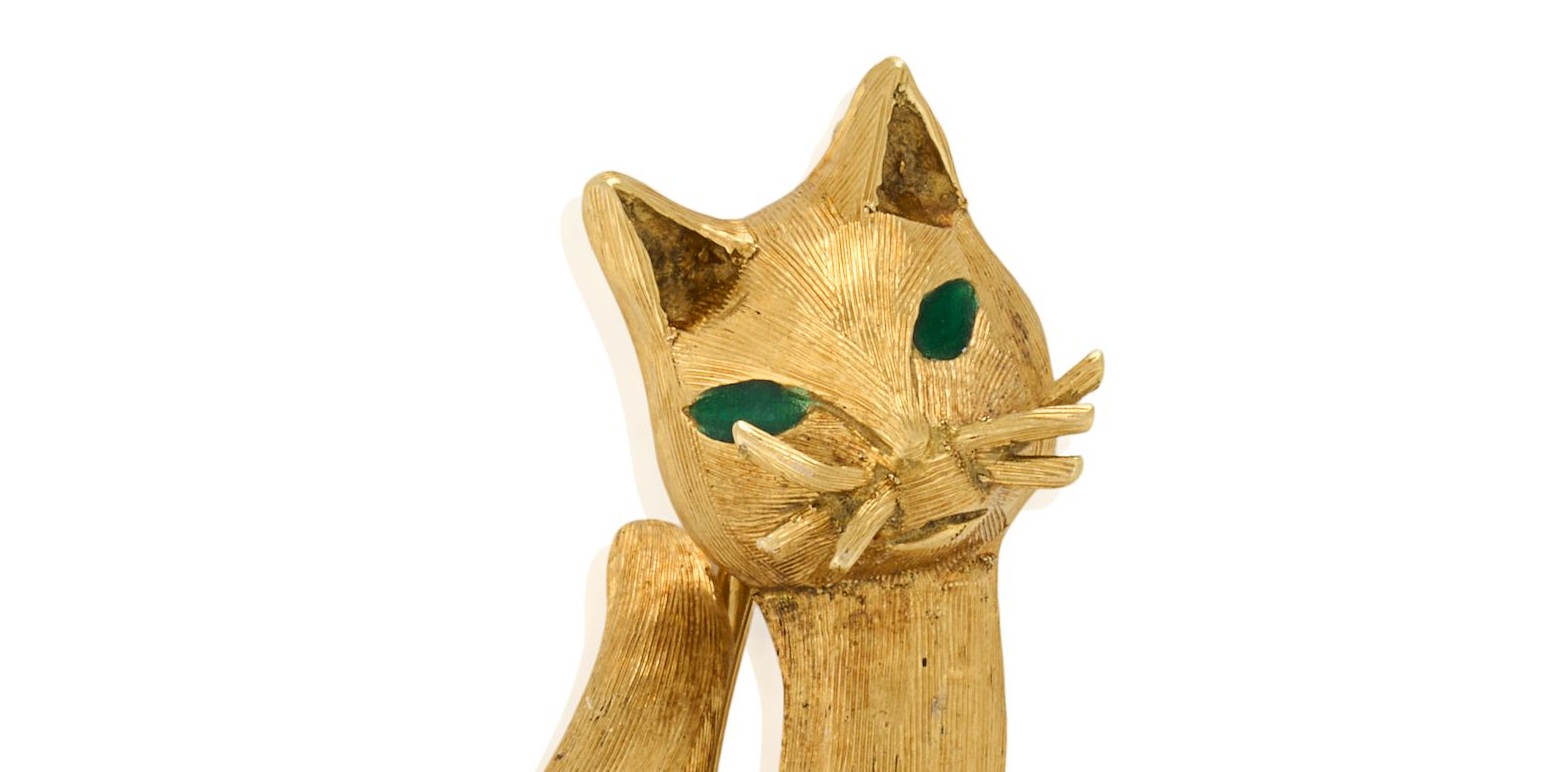
Sandy Lerner Is Rehoming Her Cats: A Tiffany Cat Brooch and Sixty-Five More
The Cisco co-founder spent four decades collecting cats in gold, enamel, amethyst and bronze. On 30 September 2026 Bonhams sells 66 of them in New York, from a $700 carved cat to a $120,000 bronze by the sculptor Rembrandt Bugatti. She is keeping the live ones.
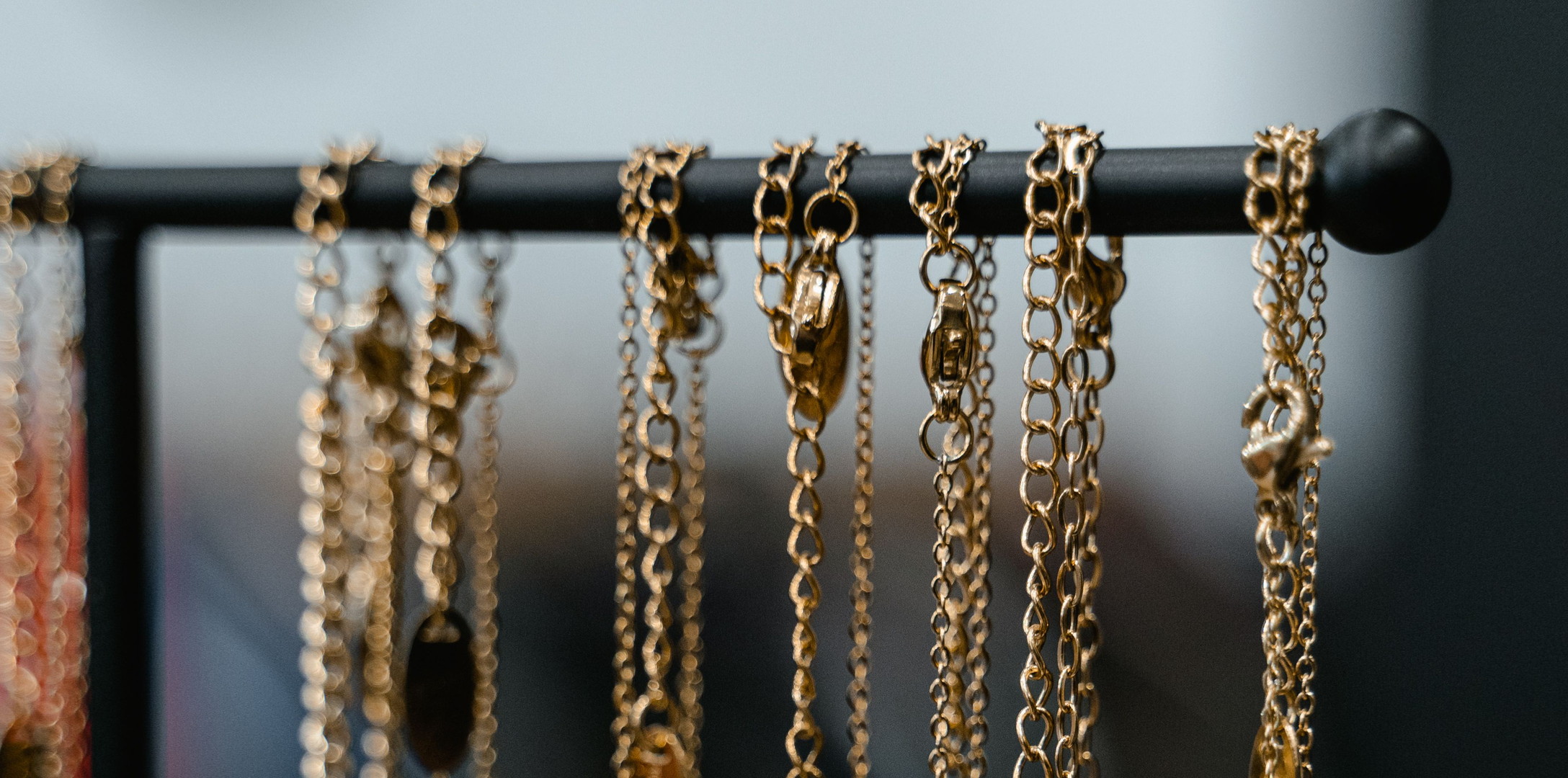
Why Are Jewelry Prices Still Going Up?
Jewelry costs about 15% more than it did a year ago, and it is the gold accounting for most of it. The answer coming back from the jewelry trade and brands is less gold in the piece, which changes what you have to ask for at the counter.
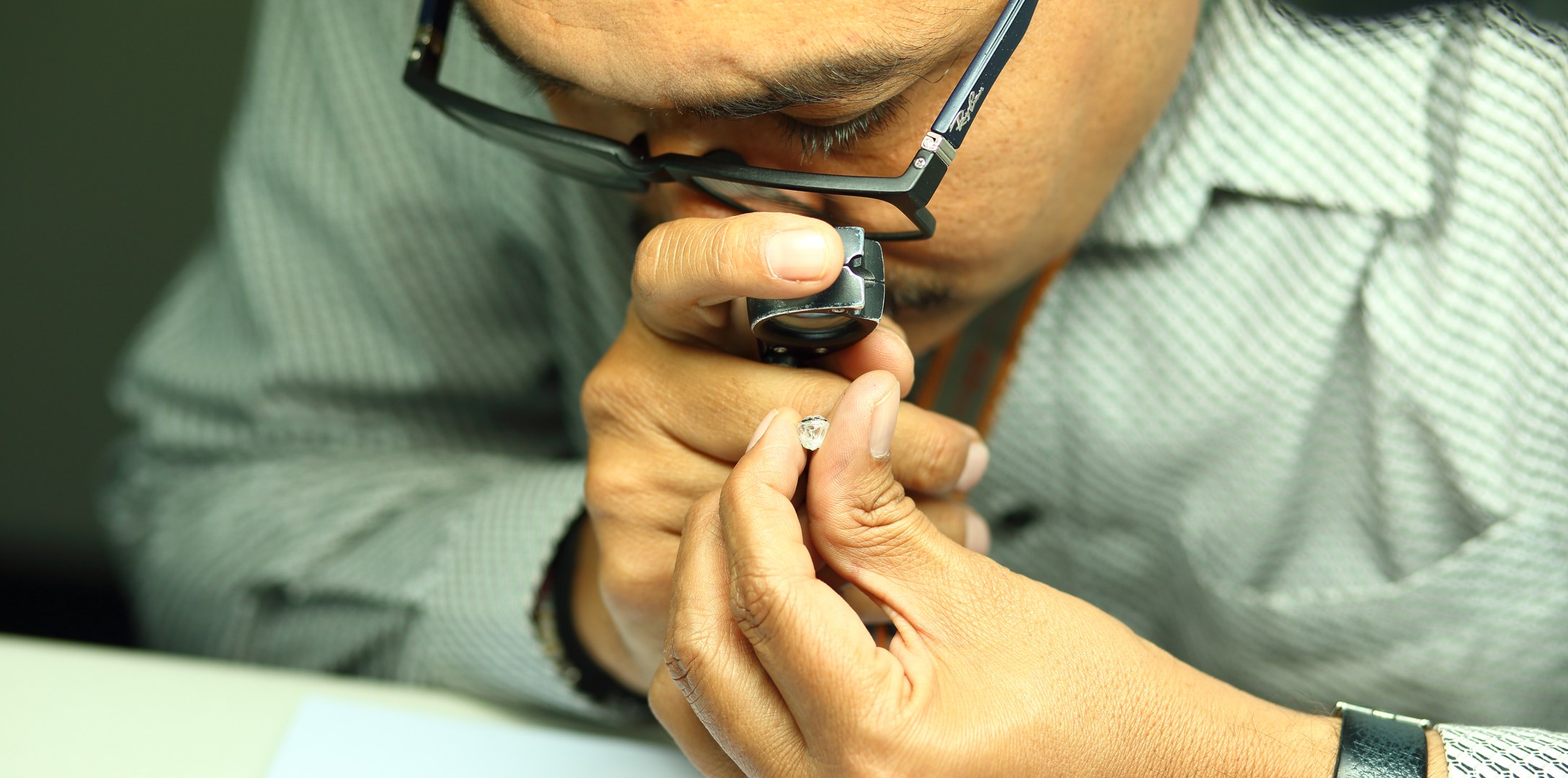
Natural Diamond Prices Are Going Up Again, at Least for Now
Lab-grown stones pushed mined diamond prices down for years. The diamond trade's price index rose again in August, led by small stones. What that changes for you.
The newsletter.
One email when something is worth your attention. New essays, the buying calls behind them, and what we’re watching in the trade. No roundups, no affiliate dumps.