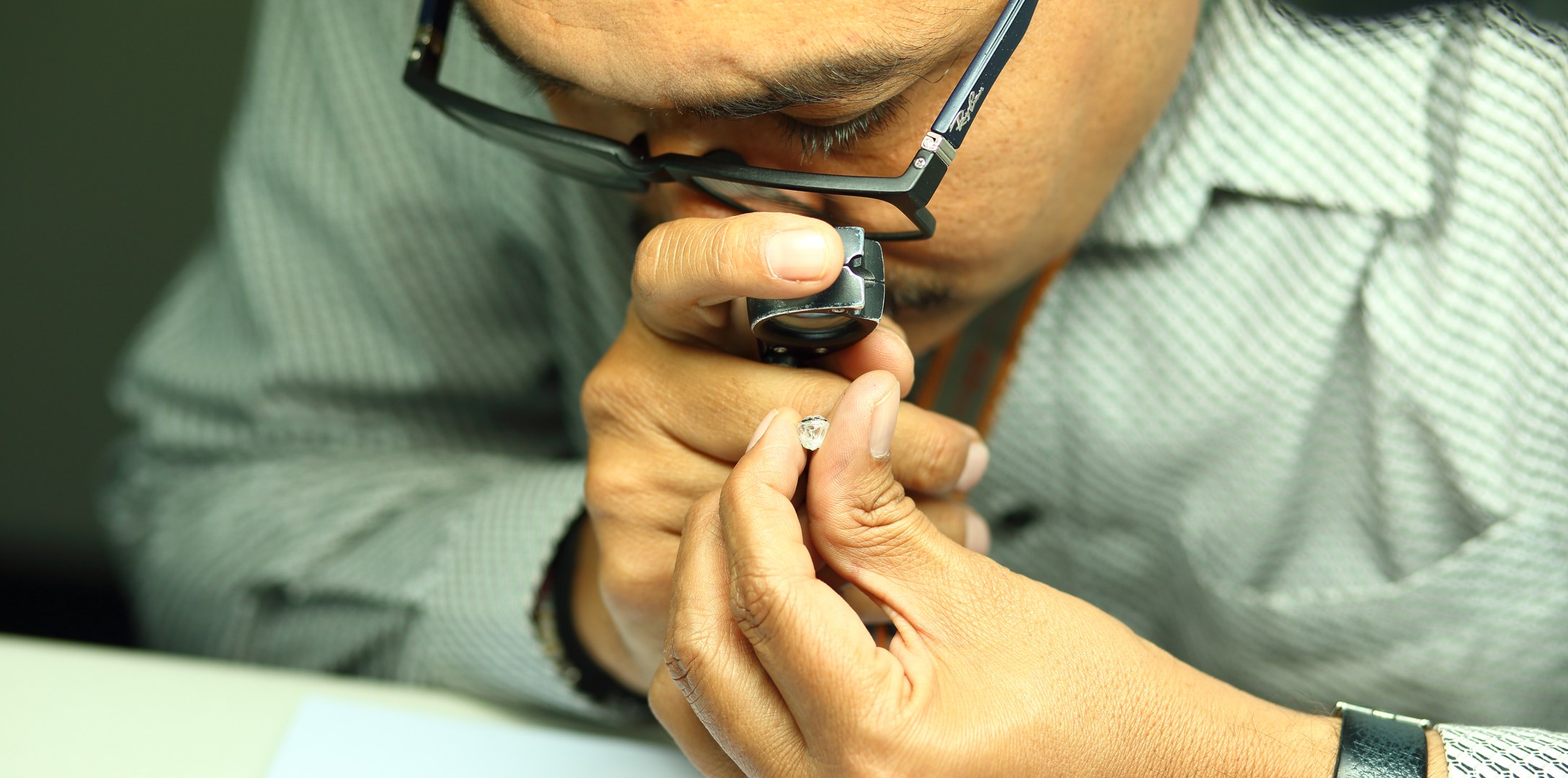
Delphinebraas via Wikimedia Commons, CC BY-SA 4.0
Natural Diamond Prices Are Going Up Again, at Least for Now
Lab-grown stones pushed mined diamond prices down for years. The diamond trade's price index rose again in August, led by small stones. What that changes for you.
Diamonds got cheaper, and if you have priced one lately you already know it. Lab-grown diamonds arrived at a fraction of what a mined stone cost, they look the same across a counter, and a lot of people stopped seeing a reason to pay the difference. Natural stones got marked down, then marked down again, year after year, until waiting was the cheapest thing a buyer could do.
On September 2, Rapaport, the company whose price list the diamond trade sets its own prices from, published its August numbers. Natural diamond prices rose again in the sizes most engagement rings use, and the price of a one-carat diamond went up for the first time in fifteen months.
Why Natural Diamond Prices Fell for So Long
A lab-grown diamond is the same material as a mined one, grown in a machine over a few weeks instead of pulled out of the ground. It won on money. The same look for a fraction of the price, cheaper every year, which is also why a lab-grown stone recovers almost nothing on resale. By last year, in The Knot’s annual survey of couples, lab-grown was the center stone in 61% of new engagement rings, more than triple its share in 2020.
The mining story made that choice easier to make. Blood diamonds, the environmental cost, the long uncomfortable history of where a mined stone comes from: it is all real, and it gave anyone leaning toward lab-grown a reason they could say out loud. When buyers are asked what decided it, though, price comes first and getting a better stone for the money comes second. A 2025 survey of 2,000 shoppers run for the Plumb Club, a jewelry trade group, put ethical reasons at 17%, level with the same survey two years earlier. The marketing leaned on the ethical contrast; the buyers cite the bill.
It was not only lab-grown, either. Rapaport names weak demand in China and a flood of rough diamonds out of Angola in the same breath. But the damage landed hardest exactly where lab-grown competes, and De Beers, the biggest miner of natural diamonds, told investors this summer that its smaller and lower-quality stones were still taking the pressure from synthetics.
Which Natural Diamonds Went Up in August
The Rapaport number is a wholesale price: what dealers ask each other for a loose stone, before a jeweler buys it and sets it in anything. That is the number the trade watches, and it is the earliest one anyone outside a shop can look at.
In August the smaller and mid-size stones led again, the ones that had fallen furthest. It is the third monthly report since May to show them rising, and the first to show the one-carat rising with them. The wholesale asking price on a half-carat natural fell 58% in the five years to the end of 2025. That is the discount you were collecting for being slow, and that is the discount that has stopped.
Rapaport credits the turn to producers making fewer stones: miners digging less, and the places that cut and polish them running fewer through, until supply came back into line with what people were buying.
Whether Natural Diamond Prices Have Stopped Falling
Five weeks before that August report, De Beers told its investors it expected exactly these stones to stay under pressure. Two dated readings of the same market, from the two organizations with the best view of it, pointing opposite ways. Three reports pointing the same way is a real signal, and it is also three reports.
It could be a floor, or it could be a pause. Nobody publishing on this is willing to call it, and neither are we.
What it changes for your purchase is smaller than it sounds. Two one-carat natural diamonds sitting side by side, same weight, same round shape, can be three or four times apart in price, and most of that gap is color, clarity and cut, plus which shop you are standing in. A couple of good months on a wholesale index does not touch a spread like that.
What it does change is the arithmetic of waiting. For a few years, doing nothing paid, reliably, without your having to negotiate for it. That has stopped at a half carat and at a carat, at least for now. It does not make a mined stone the right call: that fork is still lab-grown versus natural, and it turns on what you want to own rather than on last month’s index. If the price falling was the only thing holding you back, you have your answer. If you were waiting because you had not found the stone yet, keep looking.
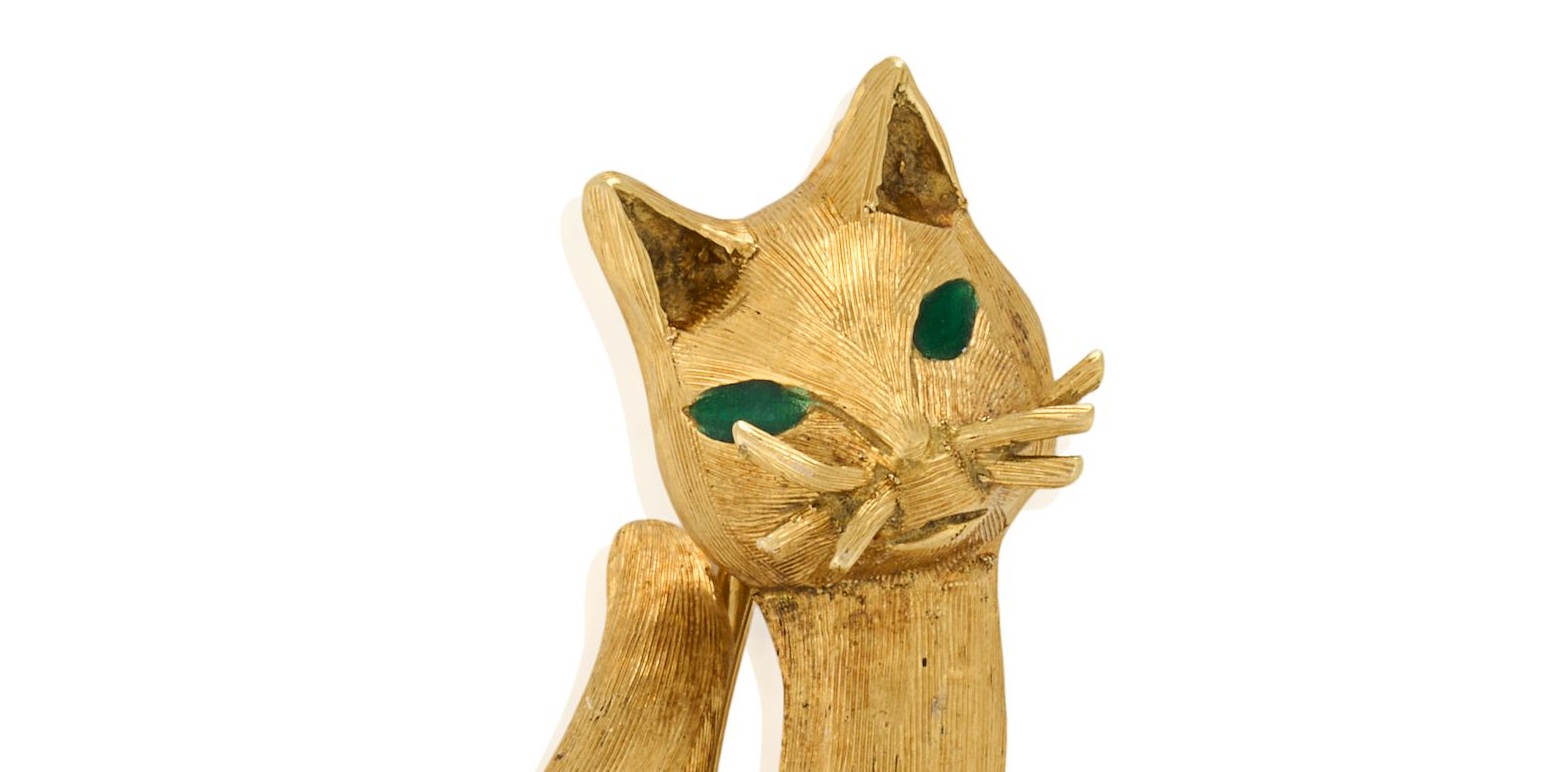
Sandy Lerner Is Rehoming Her Cats: A Tiffany Cat Brooch and Sixty-Five More
The Cisco co-founder spent four decades collecting cats in gold, enamel, amethyst and bronze. On 30 September 2026 Bonhams sells 66 of them in New York, from a $700 carved cat to a $120,000 bronze by the sculptor Rembrandt Bugatti. She is keeping the live ones.
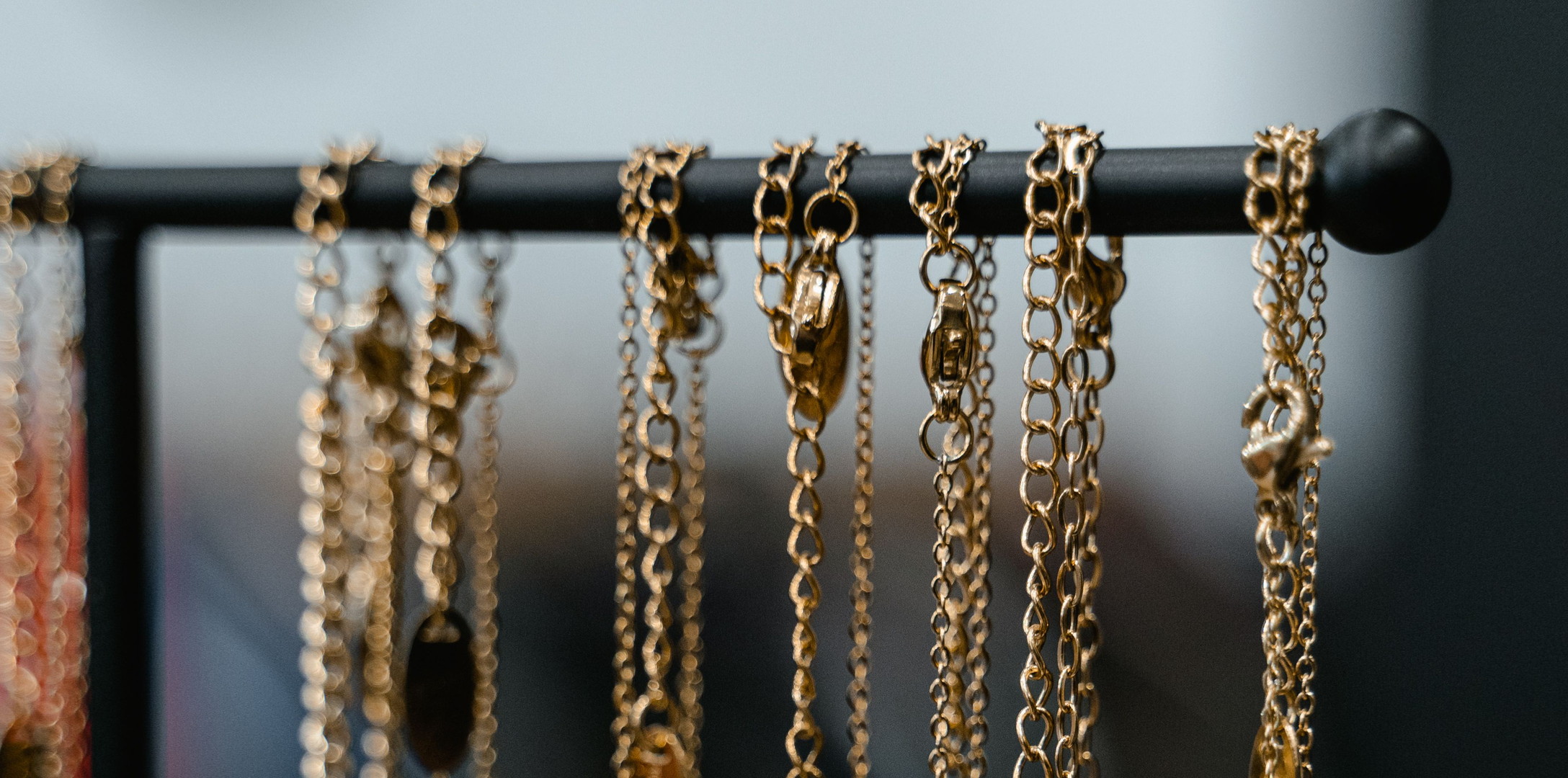
Why Are Jewelry Prices Still Going Up?
Jewelry costs about 15% more than it did a year ago, and it is the gold accounting for most of it. The answer coming back from the jewelry trade and brands is less gold in the piece, which changes what you have to ask for at the counter.
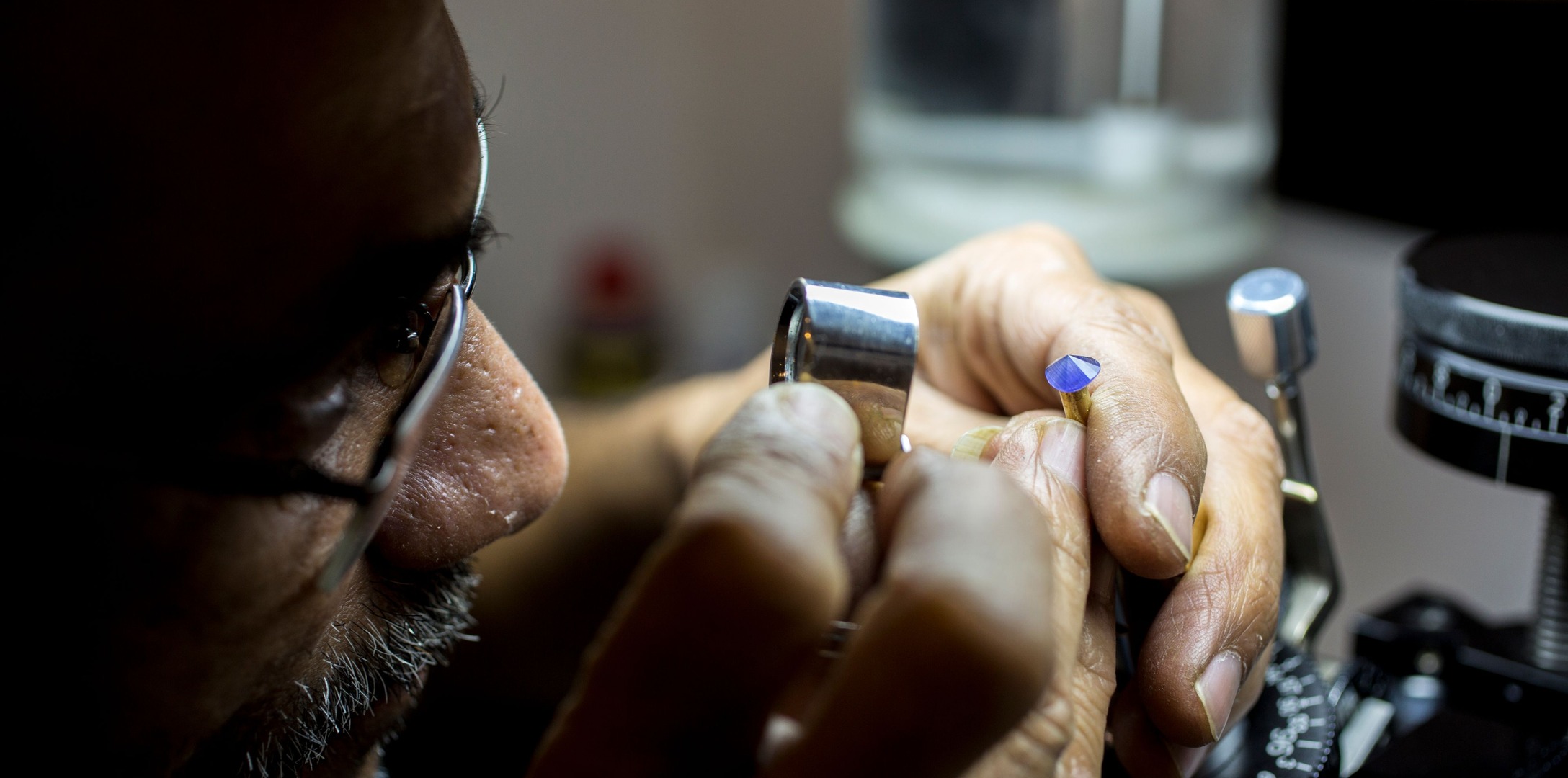
Is a Synthetic Diamond a Real Diamond? Yes, Whatever the Tag Says
A US trade group told its members to print synthetic instead of lab-grown, and in September the world jewelry body urged the same word internationally. The stone is the same carbon either way: what to weigh instead, and why a diamond grown out of gas is the better story.
The newsletter.
One email when something is worth your attention. New essays, the buying calls behind them, and what we’re watching in the trade. No roundups, no affiliate dumps.