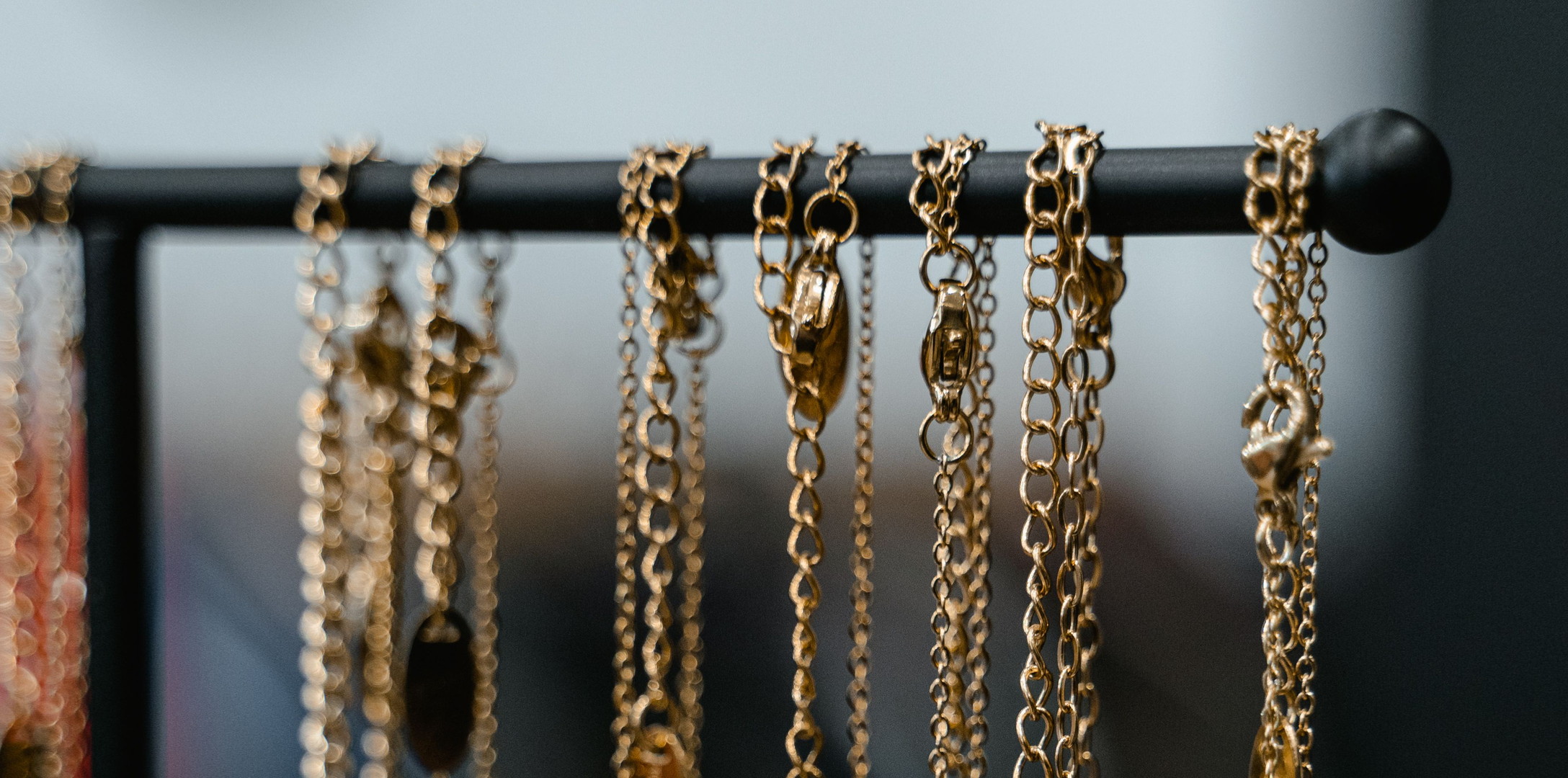
Photo: MART PRODUCTION / Pexels
Why Are Jewelry Prices Still Going Up?
Jewelry costs about 15% more than it did a year ago, and it is the gold accounting for most of it. The answer coming back from the jewelry trade and brands is less gold in the piece, which changes what you have to ask for at the counter.
You priced a chain or a pair of hoops, walked away to think about it, and came back to an increased price. Jewelry prices are going up, and not just at that shop. Signet, the company behind Kay, Zales, Jared and Blue Nile, reported this morning that in the thirteen weeks to 1 August the average price of a piece sold in its stores rose about 6%. Last Thursday the Edge Retail Academy, which tracks thousands of independent American jewelers, put August 2026 against the previous August at 14% higher prices across 8% fewer pieces.
Nothing about the chain changed but the price
An average sale can rise just because the shop sold better things, so we need to be careful making too many hard judgements here. The US consumer price index helps track real prices, and its jewelry line rose 15.2% from July 2025 to July 2026. Clothing rose 3.9% over the same year. Both per-item averages, the big jewelry chains’ 6% and the independent jewelry stores’ 14%, sit under that 15.2%, which is what a market looks like when the same pieces cost more and people meet the higher price by buying a bit less for their money. Your taste may not be the thing that got more expensive over the year, but the price level sure did.
Across all of 2025 the same independent panel counted 5% fewer pieces sold at higher prices, so August’s 8% fewer pieces is that pattern in its second year, running faster.
It is the gold, mostly. Gold was about $4,400 an ounce when Signet’s numbers landed, up a fifth on the year. The purchase cost on the pieces you can see at stores today was priced months ago, so it carries the previous run-up to $5,000 an ounce still, which is why gold jewelry is so expensive in 2026. Natural diamond prices only just stopped falling, and August’s small gain on a one-carat stone was the first in fifteen months. Nor is it tariffs: Signet’s margin was helped this quarter by refunds on duties it had already paid, and a refunded tariff goes to whoever paid it at the border, don’t count on it making its way back to you.
The answer to expensive gold is less gold
This has been coming for most of a year. Back in December, jewelers told JCK they were already putting more 14-karat and even 10-karat pieces in front of customers asking for them, and the designer Lauren Wolf said it plainly: “Our designs are changing to be lighter. It’s just too expensive to continue doing what we’ve always done.”
Stuller, which fills a large share of the cases at American independents, put out its new fine jewelry catalog this week, and one of the four things it leads with is 10-karat gold retail pricing. The last edition’s highlights did not mention karat pricing at all. Stuller says the 10k prices are there “to help jewelers navigate today’s metal market.” It had already added them to its mountings catalog in April, so this is the second book in five months to get them. 14-karat is the most popular gold in the United States.
This is a price added, not a price swapped. Nobody took the 14-karat piece out of the catalog. What changed is that a lower karat piece now sits beside it, on the same design, for a piece carrying a bit under 30% less gold: ten-karat is a little under 42% gold by weight where fourteen is a little over 58%. So what you may be buying today in your favorite jewelry store may be higher priced and have less gold in it.
Underneath sits the demi-fine line Stuller expanded in June: sterling silver, plus gold-filled and vermeil, which are gold over something cheaper. That is the end of the counter buyers were already leaving: silver and alternative metals sold 19% fewer units in August.
So ask what the karat number is buying, because the metal cost is the part no shop can discount away. Ask the karat out loud, then the gram weight, then whether it is solid gold or gold over something else. A shop that has moved its everyday case pieces to 10k or vermeil is not doing anything wrong, but it will not always say so on the tag, so it helps to know how to tell good work from thin work. If you are going to pay this year’s price, pay it for solid 14-karat or better and know the weight you got. If the piece you love is the 10k one, buy it and wear it. Just buy it knowing that is what it is and your future resale value may take the hit.
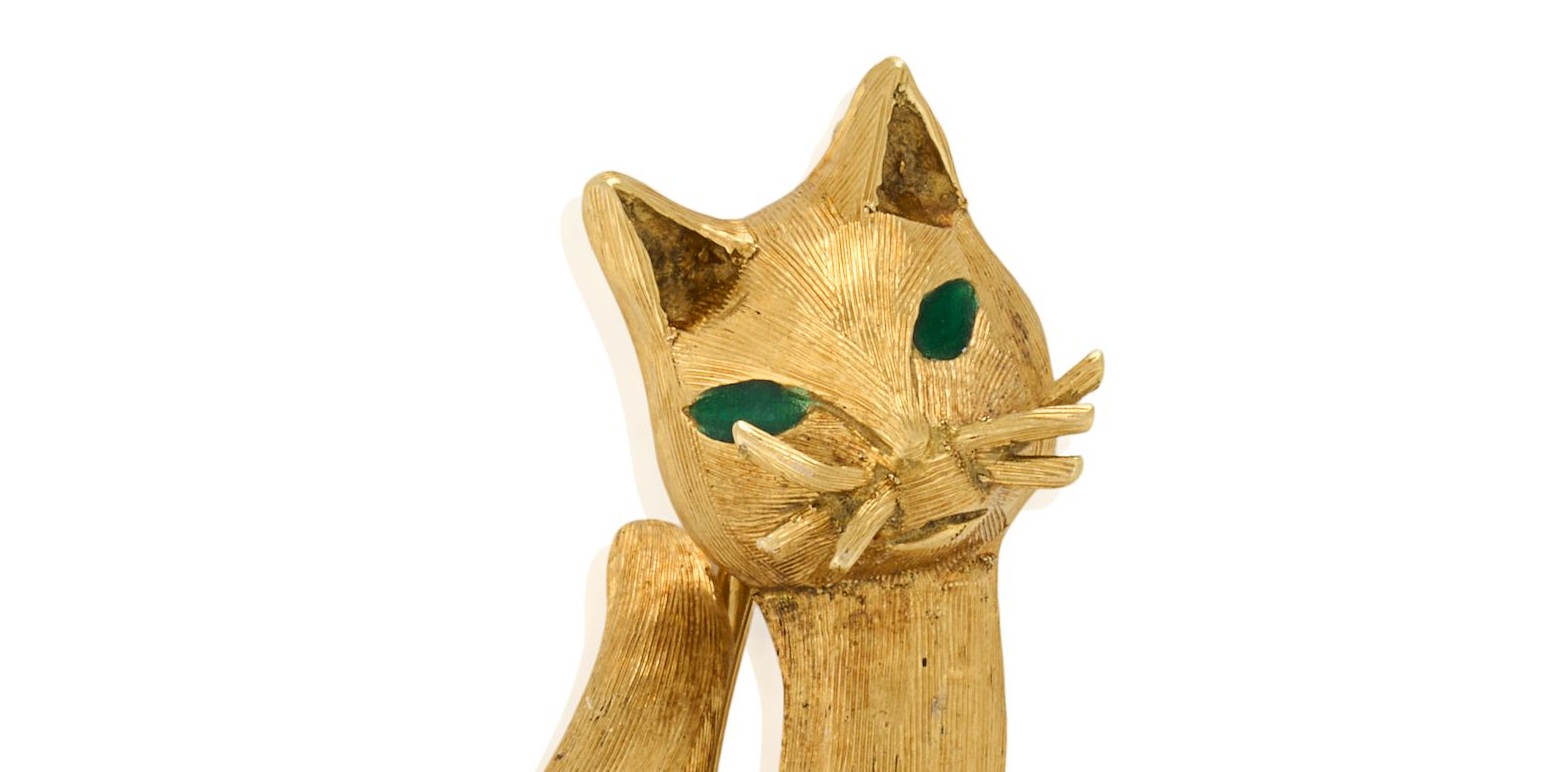
Sandy Lerner Is Rehoming Her Cats: A Tiffany Cat Brooch and Sixty-Five More
The Cisco co-founder spent four decades collecting cats in gold, enamel, amethyst and bronze. On 30 September 2026 Bonhams sells 66 of them in New York, from a $700 carved cat to a $120,000 bronze by the sculptor Rembrandt Bugatti. She is keeping the live ones.
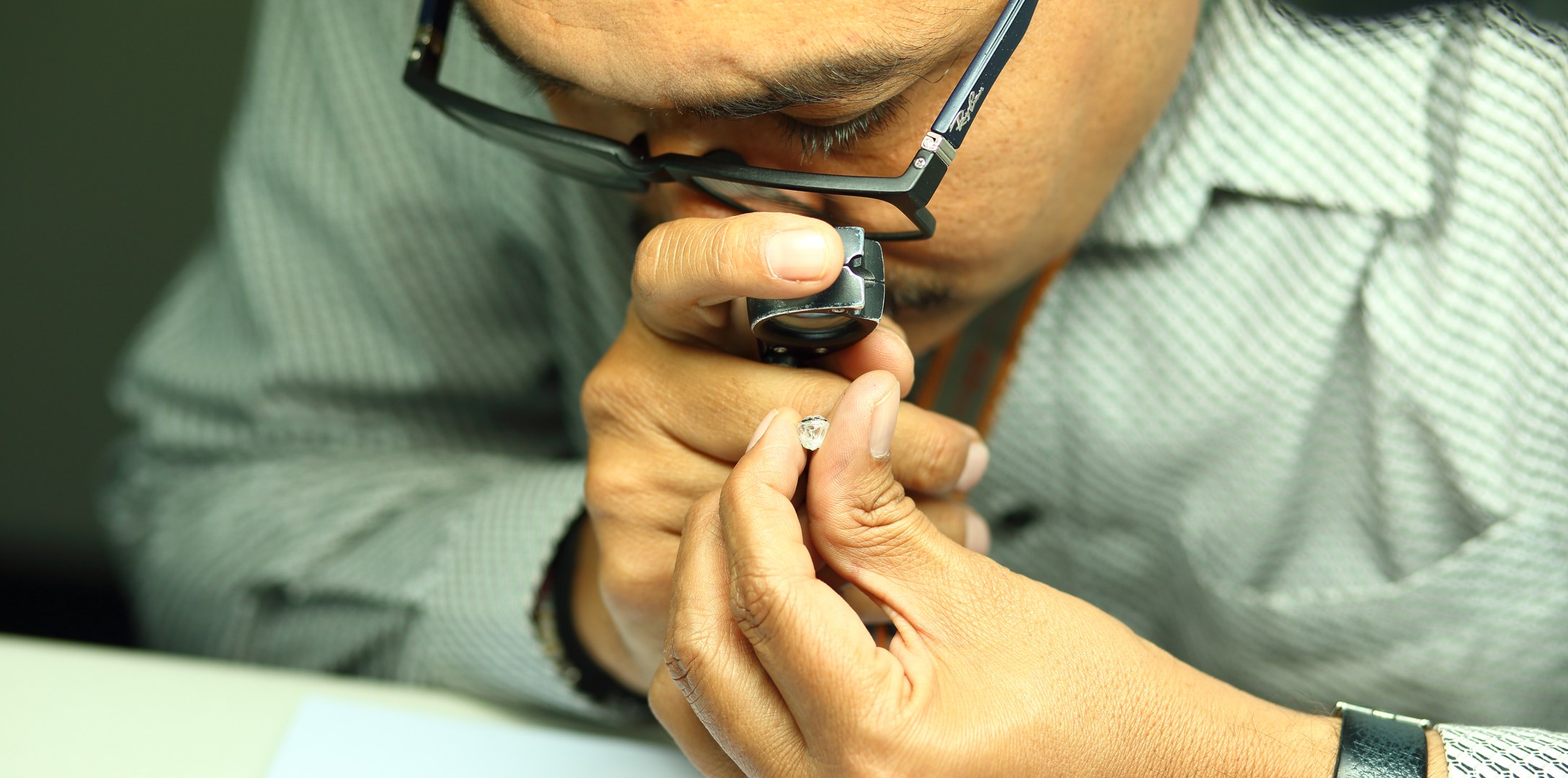
Natural Diamond Prices Are Going Up Again, at Least for Now
Lab-grown stones pushed mined diamond prices down for years. The diamond trade's price index rose again in August, led by small stones. What that changes for you.
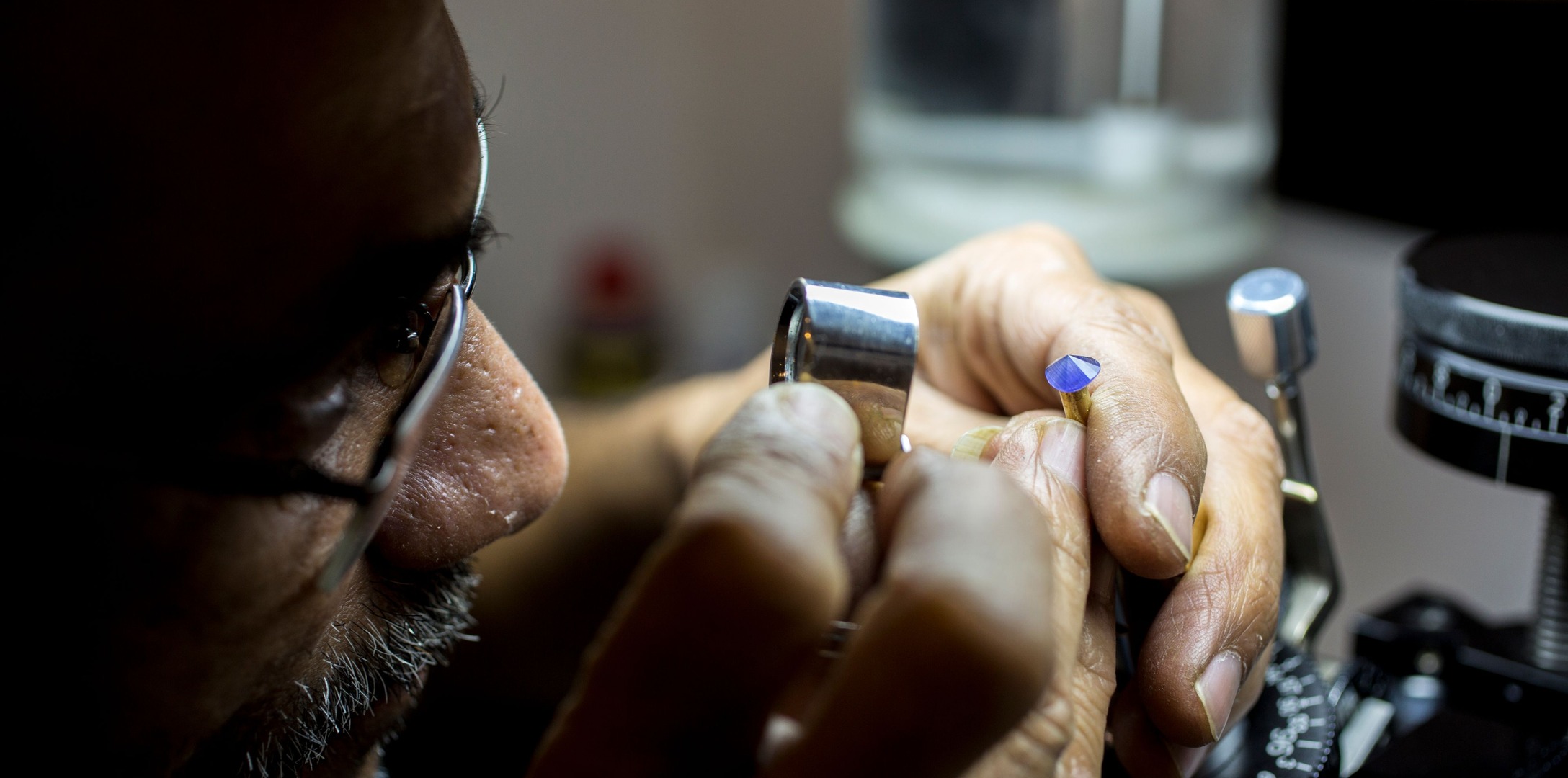
Is a Synthetic Diamond a Real Diamond? Yes, Whatever the Tag Says
A US trade group told its members to print synthetic instead of lab-grown, and in September the world jewelry body urged the same word internationally. The stone is the same carbon either way: what to weigh instead, and why a diamond grown out of gas is the better story.
The newsletter.
One email when something is worth your attention. New essays, the buying calls behind them, and what we’re watching in the trade. No roundups, no affiliate dumps.