Lab-Grown Diamonds Keep Every Promise but One
Lab-grown diamonds now outsell natural ones in U.S. engagement rings, and most buyers still treat them as a good investment. The stone is real. The resale value is not, and the marketing has stayed quiet about why.
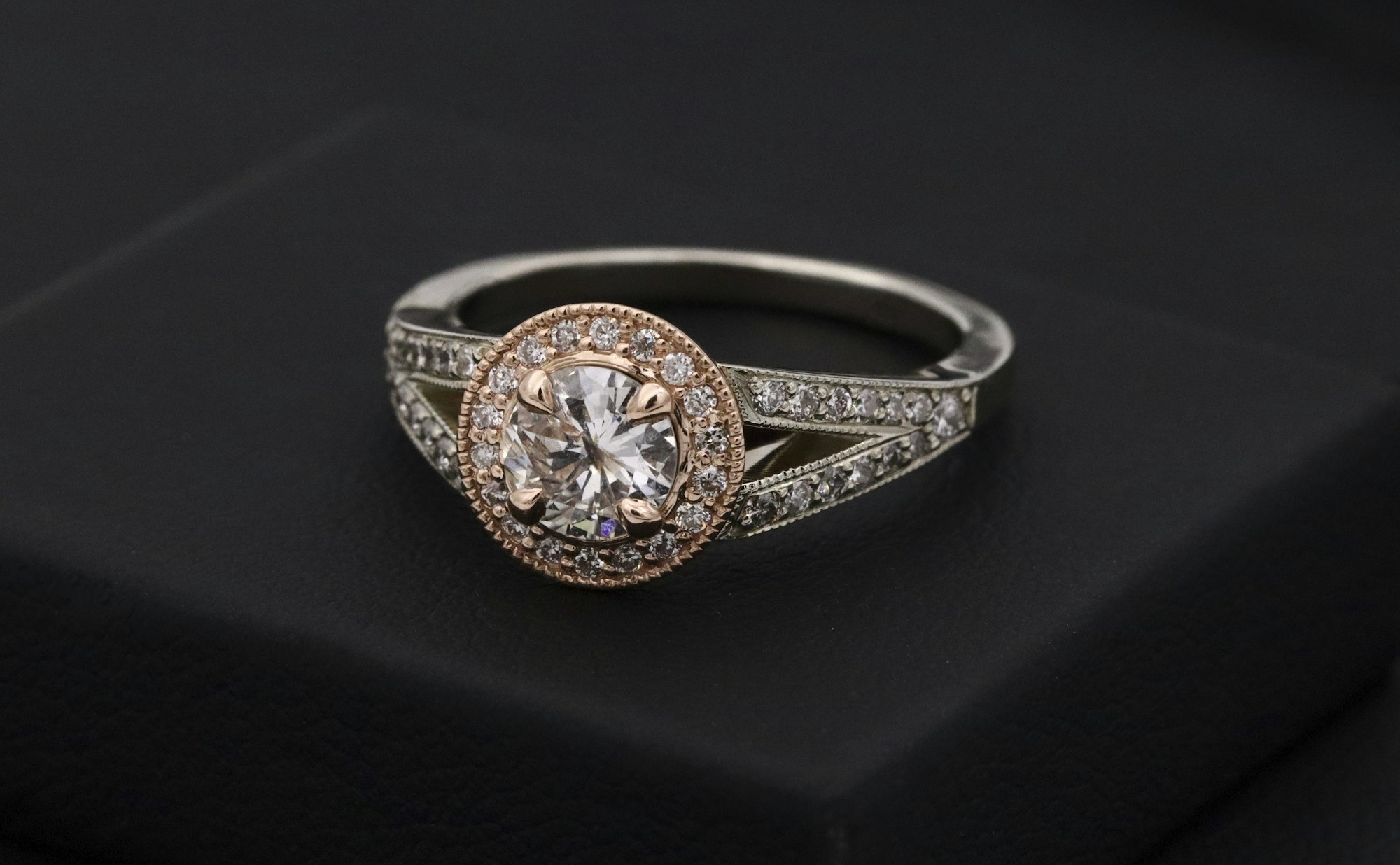
A lab-grown diamond that sold for around $3,000 a few years ago sells new today, same size, same color, same lab report, for about $600. It could be $250 before long, because lab-grown diamonds keep getting cheaper to make, so whatever you pay, a fresh identical stone undercuts it the year after. Your stone competes against that cheaper copy of itself, which is why a lab-grown diamond recovers almost nothing on resale, no matter how little you paid. These are real diamonds, optically identical to a natural mined one, sitting in 61% of U.S. engagement rings per The Knot’s 2026 study, which makes this most people’s ring. If you love the diamond and the look, it is worth it. Buy it knowing it is not an investment and will not hold resale value.
And a diamond gives you no way out. Gold is soft enough to melt, which is exactly why it holds value: you can scrap it, rework it, or sell it for the metal at a price tied to the spot market, so there is always a floor under it. A lab-grown diamond is one of the hardest substances there is, and that hardness buys you nothing. No melt value, no commodity underneath, just a finished cut stone that anyone can now buy new for less than you paid. The most durable thing you will ever own, and you are stuck with it.
Most buyers assume their stone has some floor under it too, that a diamond bought at a steep discount to a natural one can be sold later, maybe not for what they paid, but for something. It does not, and a lab-grown stone does materially worse than a natural one on resale. The marketing that sold you on the discount had a financial interest in staying quiet about the way it keeps falling after you have paid.
The category grew because it solved a real consumer problem: natural diamonds were overpriced, the markup was obscene, and the ethical sourcing story was complicated. Lab-grown offered the same optical and chemical properties at a fraction of the cost. That part was true.
What the marketing left out is the rest of the sentence: the same technology that made your stone cheap is still running, and still getting cheaper.
Why Lab-Grown Resale Value Keeps Falling
The whole story runs on the production cost curve. Diamonds made via chemical vapor deposition (CVD), the technology behind most gem-quality lab-grown stones, cost dramatically less to make today than they did a few years ago. Bain estimated production cost for a high-quality one-carat lab-grown stone fell roughly 90% between 2008 and 2018 (JCK, on the Bain report), and the wholesale slide hasn’t stopped: JCK reported in April 2026 that wholesale lab-grown prices fell another 14% in the first quarter of 2026, with no clear floor yet.
The rate of decline has eased, and that is worth saying plainly because it sounds like good news. That 14% quarterly drop is a deceleration from the 40%-plus year-over-year fall a year earlier, and some retailers now argue premium specs have hit a functional bottom. Maybe they have. It changes nothing about resale, and here is the part that survives even a full stop in new-production prices: when you go to sell, you are not competing against other used stones. You are competing against brand-new ones. A buyer who wants a one-carat F/VS1 round lab-grown can order one new, freshly certified, from a current retailer, for less than you paid. Even if that new price never drops another dollar, it still sits below what you spent, and your stone has to clear under it. A floor on new production is still a floor below your purchase price.
De Beers spent a century building a world economy on the idea that diamonds are rare and therefore valuable, and technology dissolved the rarity in about six years. The diamonds are still there. The prices are not.
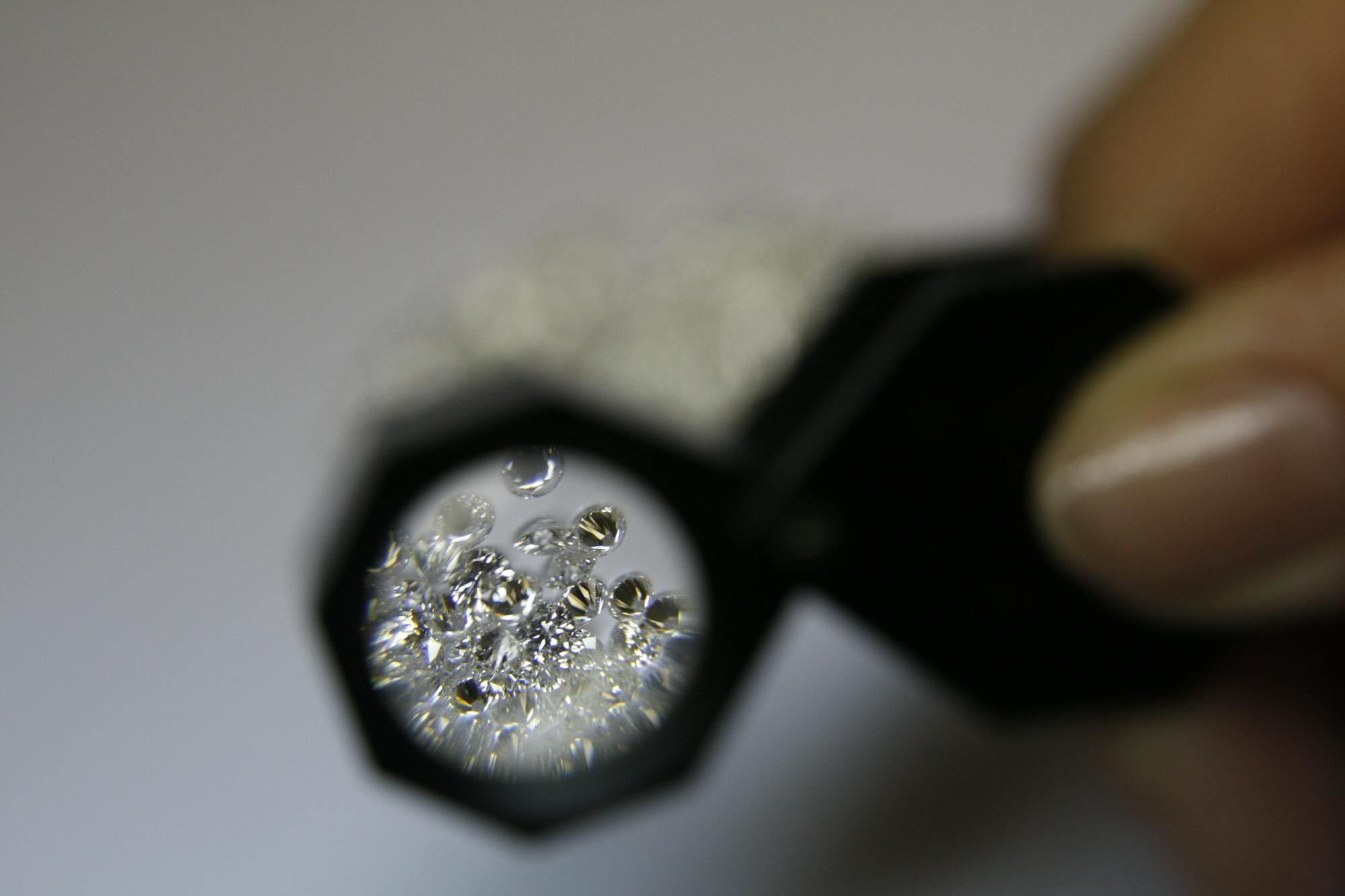
The numbers make the gap concrete. As of early 2026, a one-carat premium-spec lab-grown round runs new at the major retailers somewhere from a few hundred dollars to roughly $700: Ritani, With Clarity, and Brilliant Earth all list near-spec one-carats in that band, and PriceScope’s live price chart tracks the same neighborhood per carat. Compare that to Fortune’s reporting: the average one-carat lab-grown peaked around $3,410 in 2022 and had fallen to about $892 by early 2025, with the category down roughly 74% against 2020. Anchor in 2016 instead and the collapse is steeper still: the Wall Street Journal pegged the decline at 86%, against about 40% for natural over the same window. This is a different story from the gold price spike reshaping the rest of the jewelry market right now (the gold-at-$5,000 piece covers that one); gold and lab-grown diamonds are moving for opposite reasons, gold because the metal is scarce and getting bid up, lab-grown because the stones keep getting easier and cheaper to make.
If you bought in 2021 or 2022, the market value of your stone has dropped roughly 80% since. Eighty percent.
The resale market reflects it. On The RealReal’s lab-grown listings, pieces have recently been asking somewhere in the range of a quarter to a third of estimated retail, and that is the asking price, before the consignor’s cut that thins out a secondhand resale, and well above what actually clears. Consumer outcomes are often worse. People profiled Mia Pimentel, whose roughly $9,000 lab-grown oval solitaire was valued at $500 by a jeweler, about five cents on the dollar. Part of why is mechanical, not just market: master jeweler Ernesto Buono, quoted in the same reporting, explained that a ring often can’t be resold as-is at all, because the metal gets melted and the stone reset, so the labor you paid for evaporates. You are not going to recover your money.
A practical aside that matters more than people expect: a lab-grown solitaire is usually more expensive to insure than its resale value suggests, because insurance replacement is keyed to retail at the time of loss, which has nothing to do with market resale. If you bought yours in 2021 and your policy hasn’t been touched, the replacement value it promises may be far higher than what the stone now trades for, and you may be paying a premium against the wrong number. That is a phone call worth making (the underinsured-jewelry piece walks through the same mismatch from the gold-spike side).
What “More Stone for Your Money” Leaves Out
The major lab-grown retailers built their business on a few well-chosen phrases. Brilliant Earth says lab-grown diamonds are “chemically, physically, and optically identical to natural diamonds.” With Clarity says they cost a large fraction less than mined stones and that the shorter supply chain “saves you money.” James Allen pitches sparkle for any budget. Clean Origin says lab-grown lets a buyer choose a larger stone “without exceeding your budget.” All of it is true, or true enough. None of it says anything about what happens when you want to sell.
“More stone for your money” is clever framing. It means you can buy a bigger lab-grown diamond for the price of a smaller natural one, which is true at the point of purchase. What it implies, without saying so, and what many buyers infer, is that the value equation is favorable in some durable way. That the extra size came with extra value.
The value equation only holds if you keep the stone indefinitely and never convert it back to cash. That is a real and reasonable use case. It is simply not what “value” usually means to the person hearing it.
The retailer pages don’t lie about resale. They leave it unaddressed. Affordability and equivalence on the way in; silence on the way out. The FTC’s diamond marketing guidance requires sellers to disclose that lab-grown stones aren’t mined, but it requires no disclosure of expected resale performance. That is where the omission lives, not in what’s said, but in what is structurally optional to mention. The framing has also shifted lately toward bigger-stone-for-less and celebrity-scale carats, which leans even harder on purchase-moment value and even further from the question of what comes back out.
The natural diamond industry, for its part, has been loud about lab-grown’s resale problem. The Natural Diamond Council’s reporting hammers the price collapse, and Reuters quoted the World Diamond Council’s president, who also held a senior role at De Beers, arguing that falling lab-grown prices damage consumer confidence. They are right about the data. Their financial interest in that conclusion should make you skeptical of the framing, but it doesn’t make the economics wrong.
That is the trap. The only two loud voices on the subject both have something to sell. The lab-grown marketers want you to buy lab-grown. The natural diamond establishment wants you to buy natural. Neither is oriented toward you seeing the dynamics clearly.
The value equation only holds if you keep the stone forever and never convert it back to cash. That is a real use case. It is just not what "value" usually means.
What Holds Value, and Why Lab-Grown Can’t
Natural diamonds are no simple investment either. A jeweler quoted in the same People reporting put typical engagement-ring resale at about half the original price, with lab-grown doing materially worse. The premium any retailer charges over wholesale means you bought an expensive object at a markup, and the markup doesn’t come back when you sell.
What does hold value sorts into a few clear categories.
Branded pieces. A Cartier ring, a Tiffany solitaire, a Van Cleef stone in a named setting trade differently, because you’re reselling the brand relationship as much as the stone. The category-level evidence is strong: signed luxury jewelry holds value far better than anonymous pieces, and select Cartier icons like the Love bracelet and Trinity ring have been reported to retain 95 to 96% of value on the secondary market. Solitaire-specific recovery for Tiffany or Cartier engagement rings isn’t published cleanly, and Cartier rings as a category sit well below those icon numbers, so the brand sets a floor and guarantees nothing. The point still holds: the brand creates a floor the stone alone cannot. The Cartier piece works through how that floor gets built, and why holding value is not the same as being an investment.
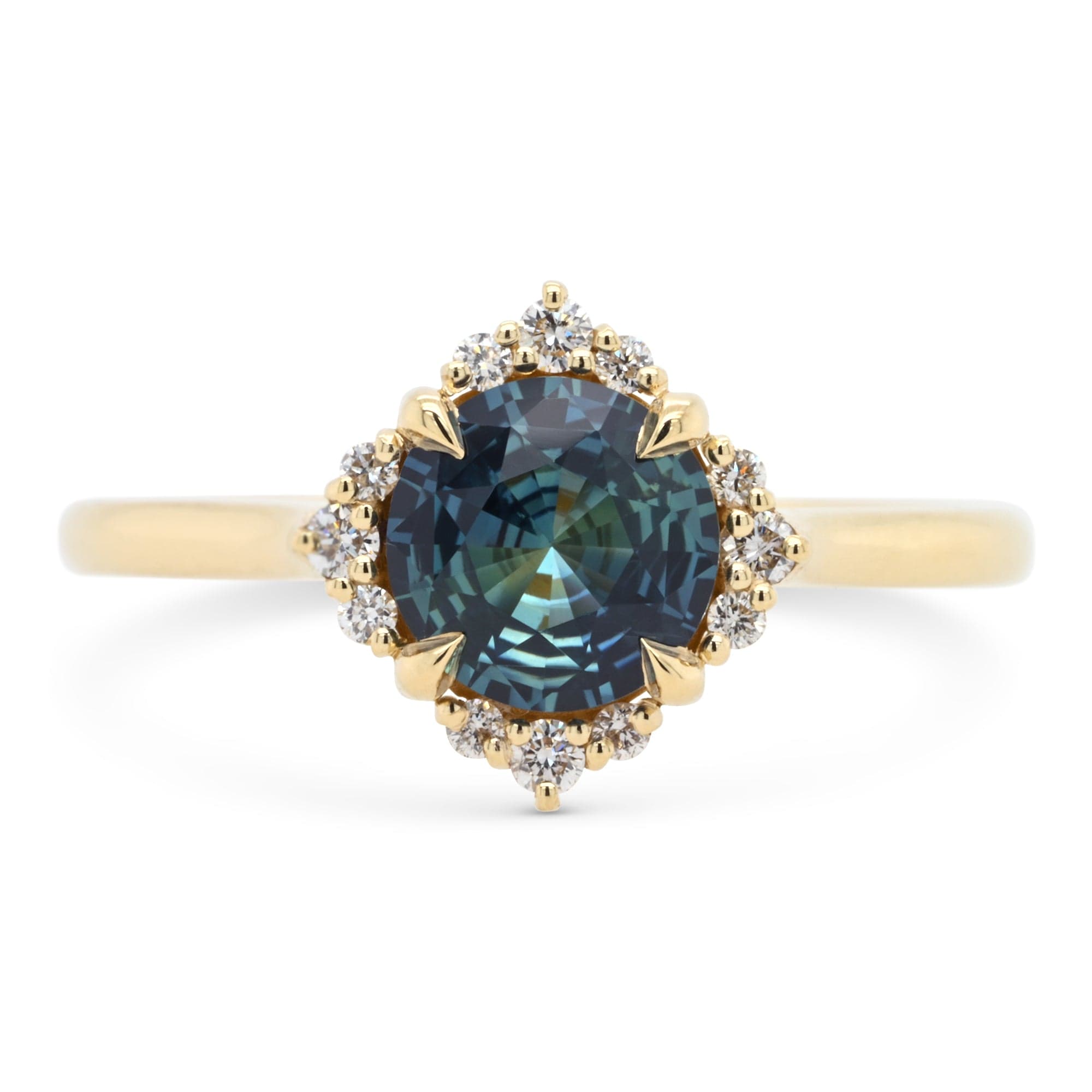
Natural colored gemstones. Fine rubies, sapphires, and emeralds have a supply constraint lab-grown diamonds do not. You can’t grow a Burmese ruby in a reactor at industrial scale, at least not yet. Premium colored stones have appreciated meaningfully at the auction level, though clean appreciation data at the consumer tier is scarcer than the marketing implies. The colored sapphires piece goes deeper on the supply mechanics that make a natural stone a different kind of object.
Old mine cuts and vintage faceting. Natural diamonds cut before about 1900 (the old mine cut, the rose cut, early cushions) exist in finite supply and have a growing collector market. They were undervalued for decades and have moved as taste shifted toward the warmth of older faceting. The brown diamonds piece covers a neighboring corner of the natural-stone story, where scarcity and aesthetics line up the way lab-grown never will.
Lab-grown diamonds are not on that list, and never will be, because the thing that creates resale value in a physical object is scarcity, and lab-grown is the opposite of scarce. Supply is effectively unlimited, capped only by manufacturing capacity, and capacity keeps improving. There is no mechanism for the price to do anything but follow the cost of production down.
The Ethical Case Is Real, and It Is a Separate Question
Lab-grown didn’t win on a resale misconception. It won because a real share of buyers care where a stone comes from, and natural diamond mining carries a documented, difficult history: environmental disruption, labor conditions in some regions, and the legacy of conflict diamonds that the Kimberley Process addresses imperfectly.
The Kimberley Process did not get cleaner in 2026. Rapaport reported that the November 2025 plenary failed, for the third straight year, to reach consensus on expanding the conflict-diamond definition, and the Kimberley Process Civil Society Coalition warned that without reform the scheme risks continuing to certify stones touched by widespread or systematic violence as conflict-free. Mined-diamond ethics are still contested, and lab-grown sidesteps that supply chain entirely. If you wanted nothing to do with mining and were willing to pay for a stone you’d never resell, lab-grown was a rational choice in 2020 and it’s a rational choice now.
The carbon comparison is murkier than either side’s marketing admits. ABC News reported in 2024 (Leah Sarnoff) that much of the lab-grown supply made in India and China, where the Natural Diamond Council says more than 70% of stones are produced, runs on coal-powered electricity, while some producers, like VRAI, claim renewable-powered growth. No clean, recent, independent life-cycle assessment settles it. The answer is that CVD’s footprint depends heavily on where the reactor draws its power, and both sides simplify it. The labor and conflict-sourcing concerns, though, lab-grown does resolve.
The question was never whether lab-grown is a legitimate ethical choice. It is. The question is whether “ethical and beautiful” got read as “financially smart” in the buying, and what people believed as a result.
How to Buy One With Clear Eyes
If you already own a lab-grown diamond and this is unwelcome news: the stone is still beautiful, the ring still means what it meant, and a low resale number changes neither. The ring your mother gave you is worth maybe $800 on consignment. On your hand it’s worth everything. Both numbers are real and they don’t contradict each other.
If you’re about to buy one, buy it for what it is. You are buying a stone to wear and keep. There is no exit to plan for. If that framing fits, and for plenty of people it does, go ahead: a lab-grown is a beautiful stone at a fair price for something you’ll own for good.
If you expect to have options later, to resell, to recover anything, then a lab-grown stone is the wrong tool. A natural certified stone, a signed piece, or an old mine cut is the answer, because the value lives in the scarcity and the scarcity has to be real. That tradeoff is the heart of the lab-grown versus natural choice in engagement rings, where the same stones that lost resale value also got better and cheaper to buy.
For fifty years a diamond was sold as the exception, the one purchase that was supposed to hold its worth. The 4 Cs gave it a grading language, carat and cut and color and clarity adding up to a number that told you what your stone was worth and let you trust it would stay there. Lab-grown upended that story completely. Which is fine. It just means the old expectation does not transfer to the stone on your hand, so reset it: a lab-grown diamond is a consumable luxury. A beautiful dress can be exactly the right purchase even though you will never resell it for what you paid. A wonderful dinner can be the right call even though it is worth nothing the next morning. A lab-grown diamond belongs in that company, and there is nothing wrong with that. Just know what you are getting into.
Fine Jewelry Started Ungendered And Never Stopped
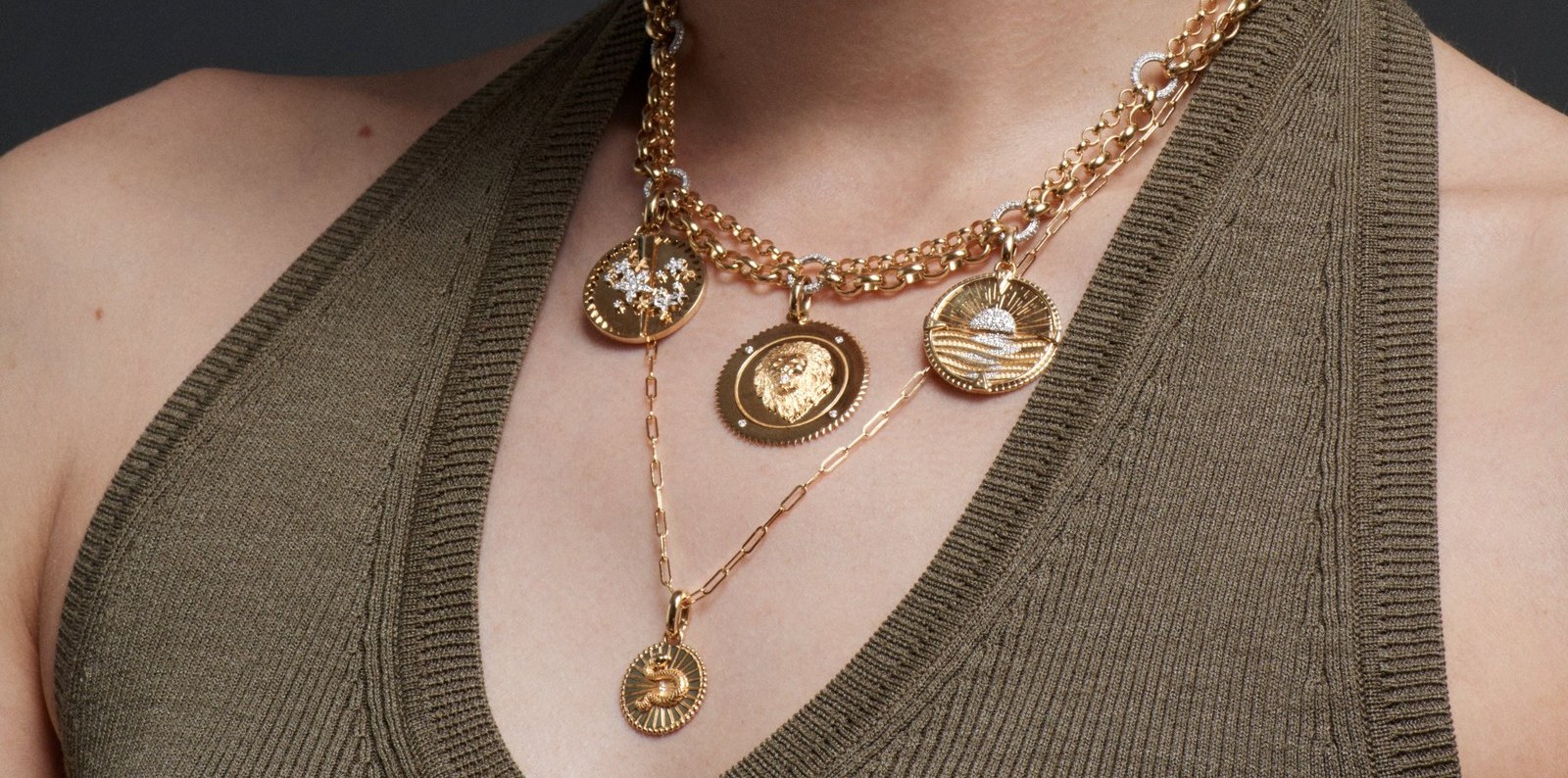
Jewelry was sorted by rank for five thousand years and by gender for about one century. The men's and women's split is commercial noise rather than a property of the adornment: where gendered jewelry came from, and what it should and should not change about what you buy.
The Independent Jewelry Brands That Hold Their Value
Spending real money with an independent jewelry designer means trusting your own eye instead of a famous name. The used market is where that trust gets tested, because nobody pays most of retail for a secondhand piece as a favor. Seven designers pass that test on their signature pieces, and have for years.
The Fine Jewelry Brooch: Where It Came From, Why It's Back, and Where It's Going
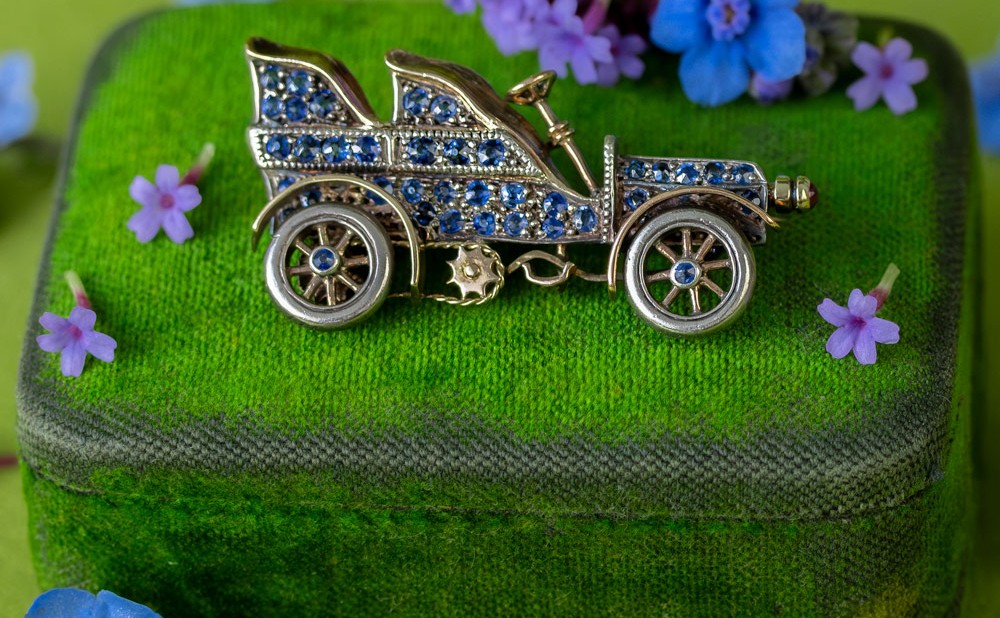
The brooch fastened clothing for thousands of years before it became pure ornament. The history of the clasp turned decorative shows where it's headed as jewelry, plus the COVID origin of its most recent return, what recent fashion shows added, and why brooches worth buying now are waiting for you in estate sales and dusty cases.
The newsletter.
One email when something is worth your attention. New essays, the buying calls behind them, and what we’re watching in the trade. No roundups, no affiliate dumps.