
The Right Piece for the Right Room
The same piece of fine jewelry can make you the most interesting person at a gallery opening and the most obvious person at a negotiation. The research on why each room has its own operating system, and how to spend accordingly.
The same piece of fine jewelry can make you the most interesting person at a gallery opening and the most obvious person at a negotiation. Nothing changed except the room.
Most advice about jewelry and occasion works like a formality chart: wear nicer for nicer. But a Cartier LOVE bracelet that reads as polished at dinner might get a discounted read at a gallery where the currency is more unique. A substantial gold cuff that projects confidence in one meeting can raise the other side’s asking price in the next; negotiation researchers have documented this, and the finding replicates. At a Michelin table, hospitality staff form judgments from your appearance before you’ve said a word. Every room has its own operating system, and fine jewelry is one of the inputs. If you’re spending $1,400 to $4,300 on pieces that walk into rooms like these, knowing what each room rewards is more useful than any occasion guide.
Signals Act, They Don’t Just Describe
The most useful correction to “wear your power piece” is a field study most buyers have never heard of. In negotiation experiments, counterparts who read the other side as wealthy raised their first offer. The signal didn’t earn admiration. It cost money. This is the “deep pockets” finding in negotiation research, and it’s been replicated in lab settings.
Other research shows that conspicuous status signaling lowers how cooperative observers are willing to be, because the signaler reads as self-interested. The penalty gets worse when the signal looks intentional, rather than everyday.
A piece that reads as effortful in a room that runs on cooperation is an unforced error. The same piece in a room that rewards visible competence can work. What matters is not the price of the object. It’s the room’s operating system.
Two Frequencies at Once
A fine piece at this price point broadcasts on at least two frequencies at the same time.
The broad one is the one most people in any room can read. Does this object look real? Does it look considered? Is this person solvent and deliberate? A well-known meta-analysis on snap judgments shows that observers form meaningful impressions from very brief exposure. Their accuracy is above chance but well below perfect. The room does read you, and the room is often wrong.
The narrow frequency is the one a smaller audience can decode. Research on brand prominence shows that preference for loud versus quiet luxury is predicted by wealth and by need-for-status. Wealthy-and-secure buyers prefer quiet. Wealth-adjacent buyers prefer loud. A separate study on subtle consumption signals showed why the quiet option can still be rational: subtle signals are designed to be misread by outsiders. If most of the room can’t place the piece, and a few people can, the few are the intended audience.
A Cartier LOVE ring at $4,300 and a Brent Neale Bubble Pendant from $3,850 are in the same spend band and doing essentially opposite jobs. The LOVE is readable to everyone; that’s the design. The Bubble is readable to people who follow independent fine jewelry; that’s also the design. Either is a perfectly rational move if you’ve chosen the frequency on purpose. Buying one while thinking it does the other is the mistake.
The Michelin Table
Upscale restaurants are the room where this plays out most quickly, because professional decoders are on staff. Hospitality research has found that servers form tipping expectations from how customers look, and those expectations shape the service you get. That’s a formal way of saying what any experienced maître d’ already knows: the room sizes you up before you’ve said a word.
Qualitative reporting from high-end hospitality backs this up and adds texture. Managers pre-identify guests through reservation files. Image searches happen before you arrive. Dress is scanned at the door. Regulars are marked, first-timers are calibrated. This is service work, done in seconds.
Hospitality research does not show that restaurants key specifically on fine jewelry, as opposed to the full appearance bundle. What it shows is that the bundle gets read, and jewelry is part of the bundle. A clean solid-gold chain in the $1,500 range sits well inside the signal the room is tuned to hear. A visibly effortful piece at twice the cost reads as the signal it is.
The fixation on the maître d’ read misses that the experienced diner at the next table may also be running the same inference. Same room, different audience.
What fails in this room is trying. A piece that looks chosen for the occasion is decoded as effort, which is not the signal the room is built to hear.
The Gallery Opening
A gallery opening is more than just a room about art. It’s about presence, a place to see and be seen and flaunt some wealth. Ethnographic work on Chelsea gallery openings and cultural sociology of “private views” describes these events as structured networks of recognition and affiliation. Emerging artists perform visibility to gallerists and curators. Collectors perform affiliation to peer collectors. The event is a stage for who sees whom.
In this kind of room, broadcast-frequency cues underperform insider-frequency cues, because the currency is taste competence. Taste classifies the classifier: in rooms where taste does the sorting, your ability to decode the room is itself the status marker. If the piece is readable to everyone, the piece doesn’t sort you from the rest of the room.
A Cartier LOVE bracelet is at the high end of broad readability.
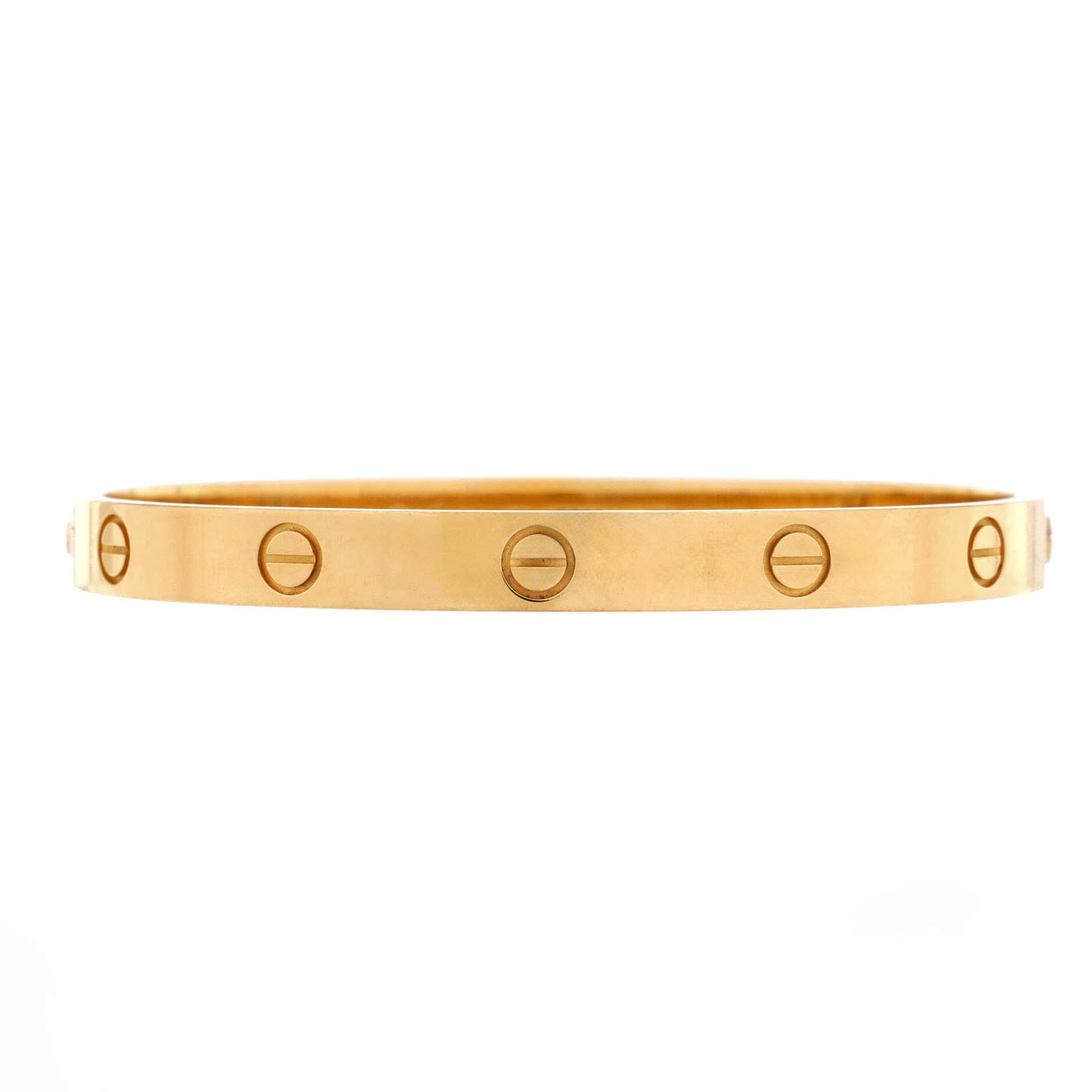 A Bulgari B.zero1 ring at $3,450, a Van Cleef Sweet Alhambra pendant at $1,900: icon lines working on the same principle, near-universal recognition. The Alhambra motif has been reported in Business of Fashion and elsewhere as approaching saturation in certain markets.
Pieces in the insider-leaning zone do structurally different work. A Jade Trau Mini Penelope ($3.5k), a FoundRae Pause medallion ($4.1k), a Catbird Swan Lake Diamond Ring ($3k), a Selin Kent architectural ring in the low four figures. Same broader price band as the heritage icons. The design codes don’t broadcast. They reward recognition.
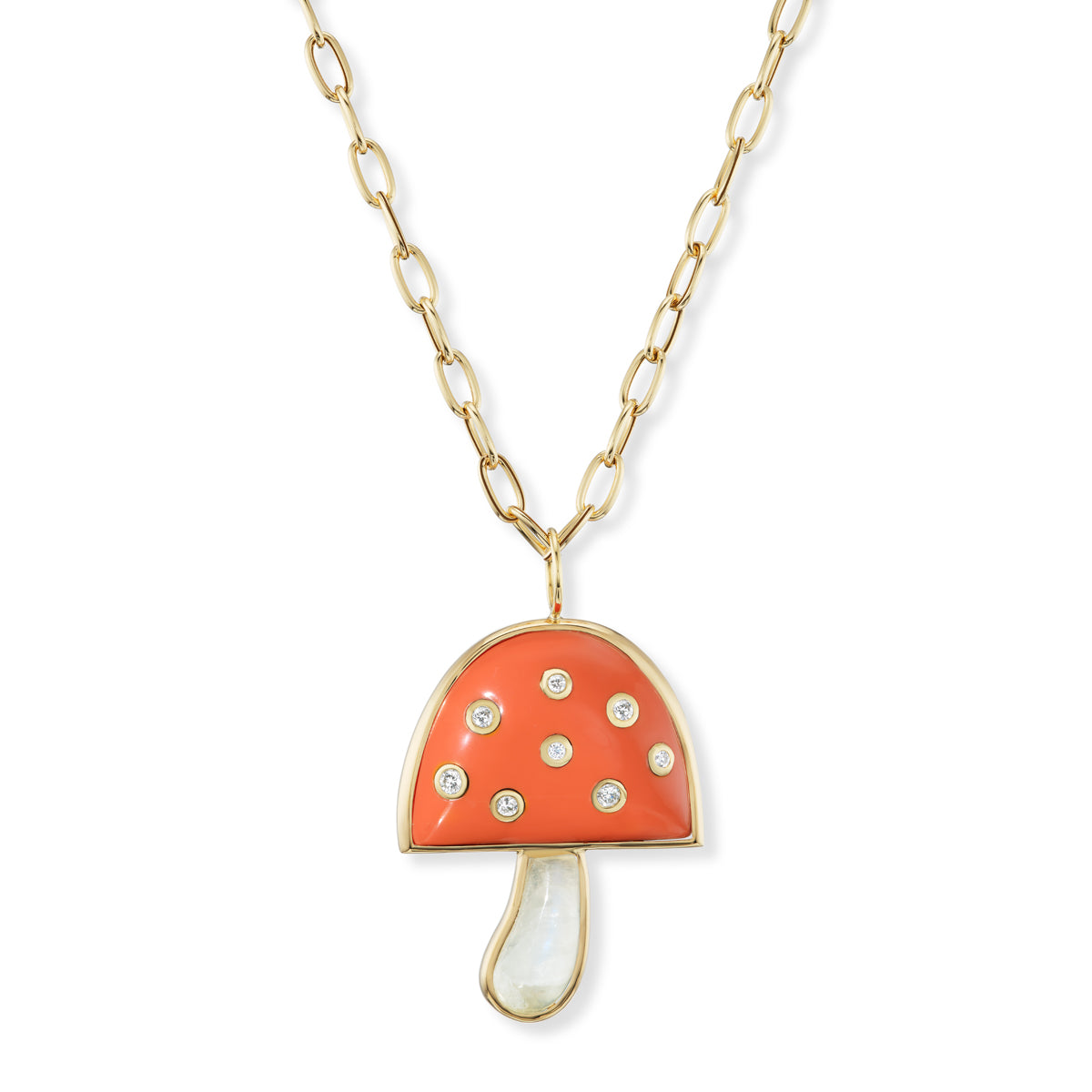
The research does not test the specific claim that any of these reads “better” in a gallery room. It supports the structural claim that rooms organized around taste affiliation reward signals that require taste to decode. A piece rewarding knowledge does a different job than a piece rewarding recognition.
The Negotiation
The counterpart across the table is updating their model of you from the moment you walk in. That update includes accessories, because accessories are one of the few impression cues you fully control. There is a whole corner of advice built around this: wear your power piece. Signal strength.
The research almost uniformly disagrees with the simple version of that. The deep-pockets finding shows wealth cues raise counterpart first offers. A separate set of experiments on how context changes luxury signals found that the same cue helps when the other side is evaluating competence and hurts when the other side is evaluating cooperativeness. The same piece works for you or against you depending on what the other side wants out of the meeting.
The backfire is stronger when the signal reads as deliberately performed. An everyday piece carries less of the trying penalty than one that appears saved for the occasion. The ring she wears constantly reads as part of her.
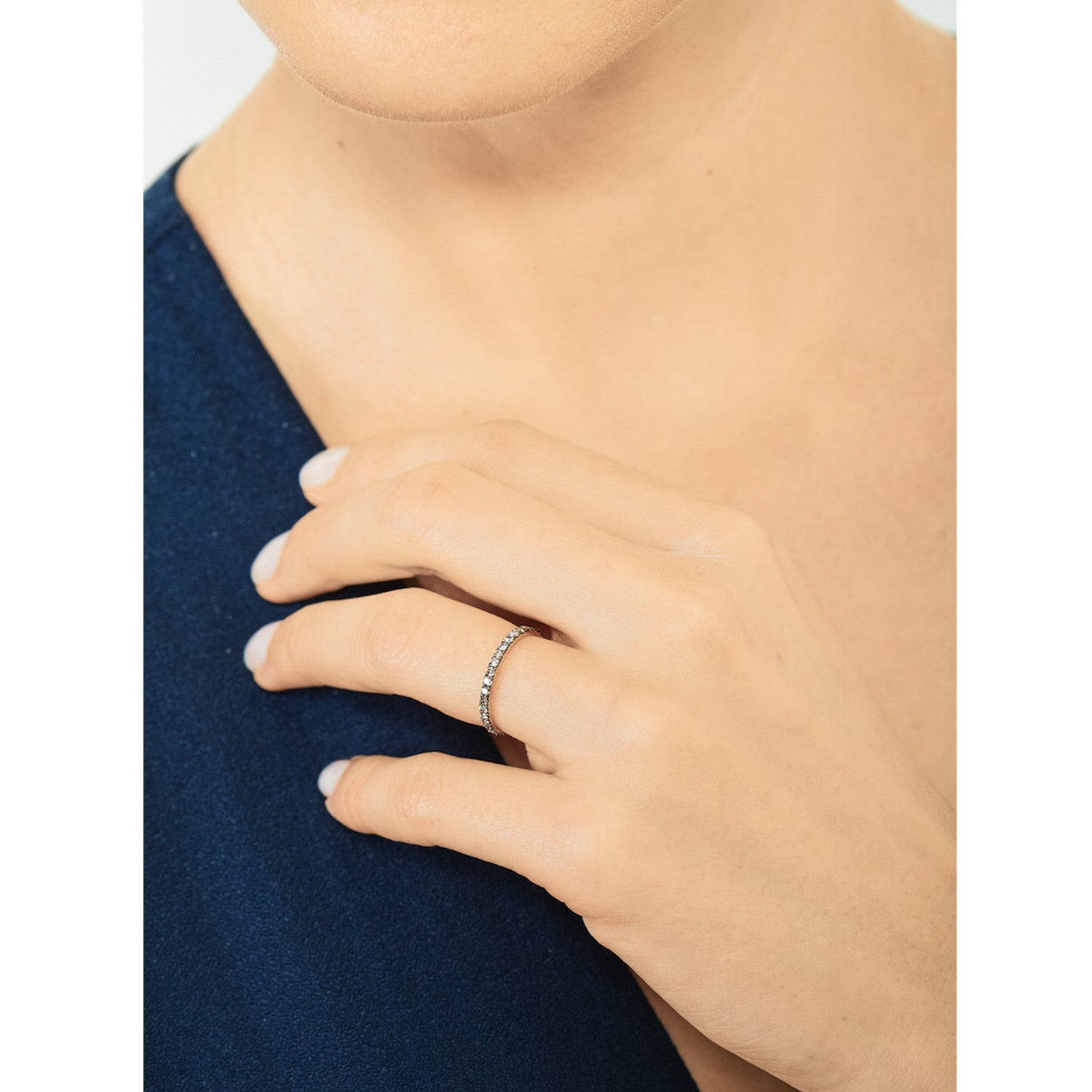 The one she put on for the meeting reads as a prop.
What does the person across the table need from the interaction? If they need to believe in competence, the broadcast signal is working for you. If they need to believe you’ll cooperate in good faith, it isn’t. If you don’t know which one it is, a settled everyday piece carries the lowest signaling risk.
What the Research Doesn’t Say
The strongest claims above are the structural ones. Signals are everywhere, and too much intentional signaling backfires much quicker than subtle incidental signaling. All of that has empirical footing.
What the literature does not say is that a specific independent-designer piece reads better than a specific heritage piece in a specific room. That comparison has not been tested. The mechanism supports the direction of the bet. Betting the mechanism is not the same as having the result.
And the frame isn’t moral either. Insider signaling is not more authentic than broadcast signaling. Broadcast signaling and insider signaling are tools with different shapes, and neither outranks the other. The brand prominence research cited earlier reads the choice between them as a function of who’s buying and why, with no ranking implied.
Where This Leaves the Buyer
The etiquette guides want to give you a chart. Wear this, not that, for this occasion, at this formality level. They have no opinion on the mechanism, because the mechanism makes the chart useless.
Which rooms are yours? A collector circuit rewards different pieces than a deal table. A fine dining life, if that’s the life, rewards pieces that sit in the room rather than audition for it. A negotiation practice rewards pieces that don’t shift the counterpart’s strategy in directions you don’t want.
Spend where the rooms are and be you. The etiquette guides don’t know where you go. You do.
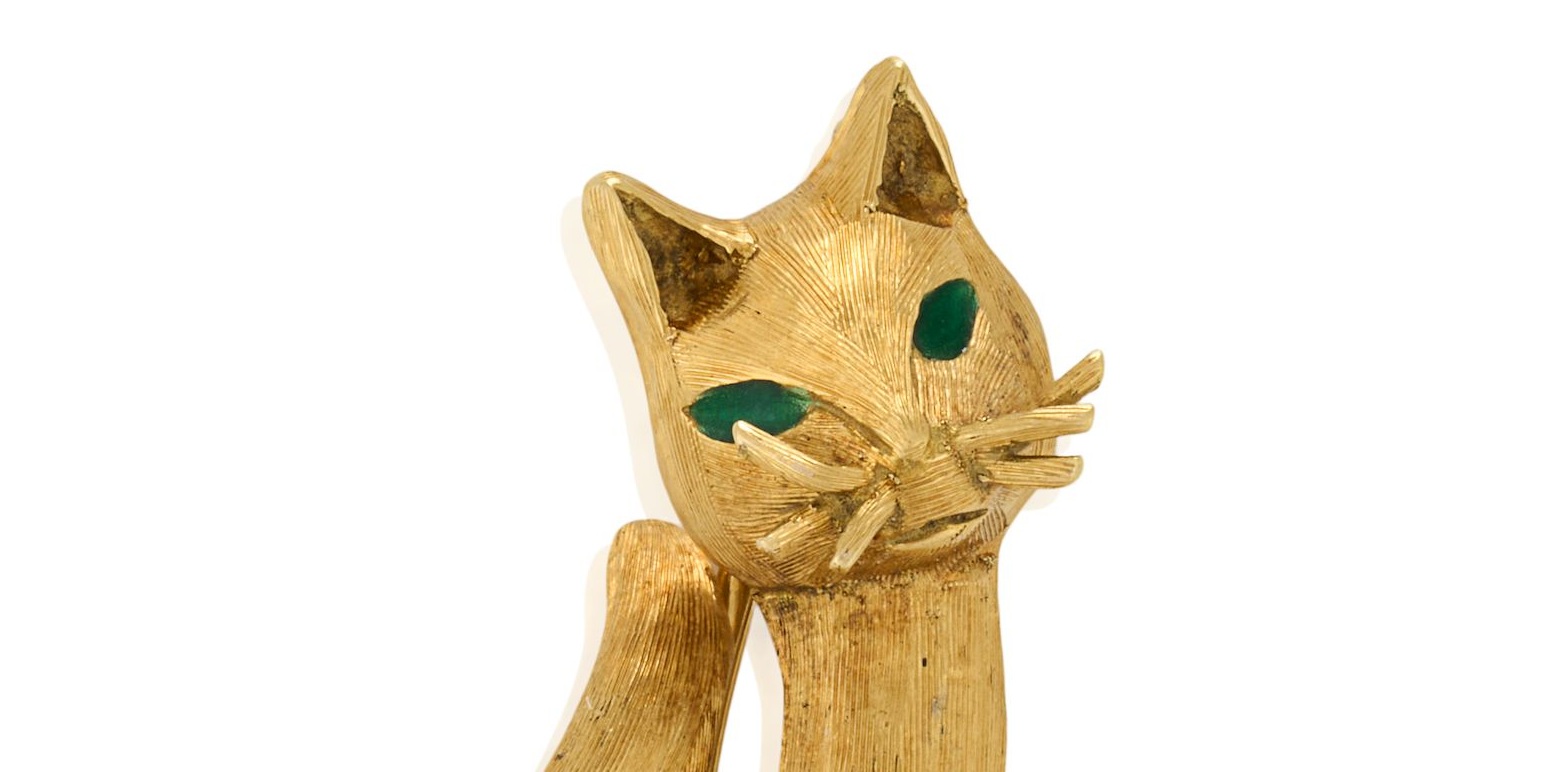
Sandy Lerner Is Rehoming Her Cats: A Tiffany Cat Brooch and Sixty-Five More
The Cisco co-founder spent four decades collecting cats in gold, enamel, amethyst and bronze. On 30 September 2026 Bonhams sells 66 of them in New York, from a $700 carved cat to a $120,000 bronze by the sculptor Rembrandt Bugatti. She is keeping the live ones.
Why Are Jewelry Prices Still Going Up?
Jewelry costs about 15% more than it did a year ago, and it is the gold accounting for most of it. The answer coming back from the jewelry trade and brands is less gold in the piece, which changes what you have to ask for at the counter.

Natural Diamond Prices Are Going Up Again, at Least for Now
Lab-grown stones pushed mined diamond prices down for years. The diamond trade's price index rose again in August, led by small stones. What that changes for you.
The newsletter.
One email when something is worth your attention. New essays, the buying calls behind them, and what we’re watching in the trade. No roundups, no affiliate dumps.