The Tariff That's Priced Into Your Jewelry Isn't Being Collected Anymore
The government stopped collecting the tariffs that justified last year's price increases. The brands kept the prices. What's in the number on the tag, what's just margin, and how to shop around it.
Sometime late last year, an email probably arrived from a jewelry brand you follow, explaining that prices were going up and naming tariffs as the reason. The reason was legitimate at the time. The government had threatened duties of 20% to 145% on jewelry depending on country of origin, with China at the extreme. Virtually every brand selling into the US raised prices to match through late 2025 and into January.
Then in February 2026, an executive order ended collection of most of those tariffs, and Customs stopped collecting them. The actual import duty on a new Italian gold bracelet right now is about 15%. The high numbers brands had priced for never got collected. They priced for the worst case, the worst case got blocked, and the prices haven’t come back down.
The tariff narrative has been running ahead of the tariff reality since February. If you’re spending a few thousand dollars on a piece this spring, the question is what’s really in the number on the tag, what’s just margin, and how to shop around the part that isn’t.
Jewelry Tariffs in 2026: What Got Pulled, What Stuck
The 2025 tariff escalation was real, staged, and fast. Import duties on jewelry spiked to anywhere from 20% to 145% depending on where the piece was made, with China at the extreme end. National Jeweler and JCK covered it like a weather event. Brands reacted the way brands react to weather events: they raised prices and blamed the sky.
Then in February, most of it got pulled. The emergency tariffs stopped being collected, replaced by that flat 10% surcharge (the one that expires July 24). Canada and Mexico skip it entirely under the North American trade agreement.
The one exception is China. Pieces made in China still carry a separate 15% duty that wasn’t part of the emergency tariffs and wasn’t touched by the February rollback. So a gold piece from China is running about 30% at the border right now, while the same piece from Italy is at 15%. That gap didn’t exist in 2023.

The reasonable question is why none of this has flowed back into what you’re paying. A Love bracelet tagged at its late-2025 price is sitting at a level that assumed 20% or worse. The actual rate is about 15%. There has been no meaningful rollback at the heritage tier. JCK reporter Rob Bates made the dynamic explicit in March: refund mechanics for duties brands already paid are unclear (“we don’t know a lot yet… that is why people are talking about refunds”), the policy could shift on short notice, and the 10% surcharge could go to 15% or higher if it gets renewed. Brands raise fast and roll back slow. When they do roll back, it shows up as a promotion, while the sticker stays where it is.
This is how luxury pricing has always worked. The legal basis for raising prices was pulled in February. The prices are staying because brands don’t know what July brings, they may never recoup what they already paid in duties, and because nobody wants to be the first one to cut. Every brand is pricing for the worst case.
Gold Is Doing More Work Than the Tariff Was
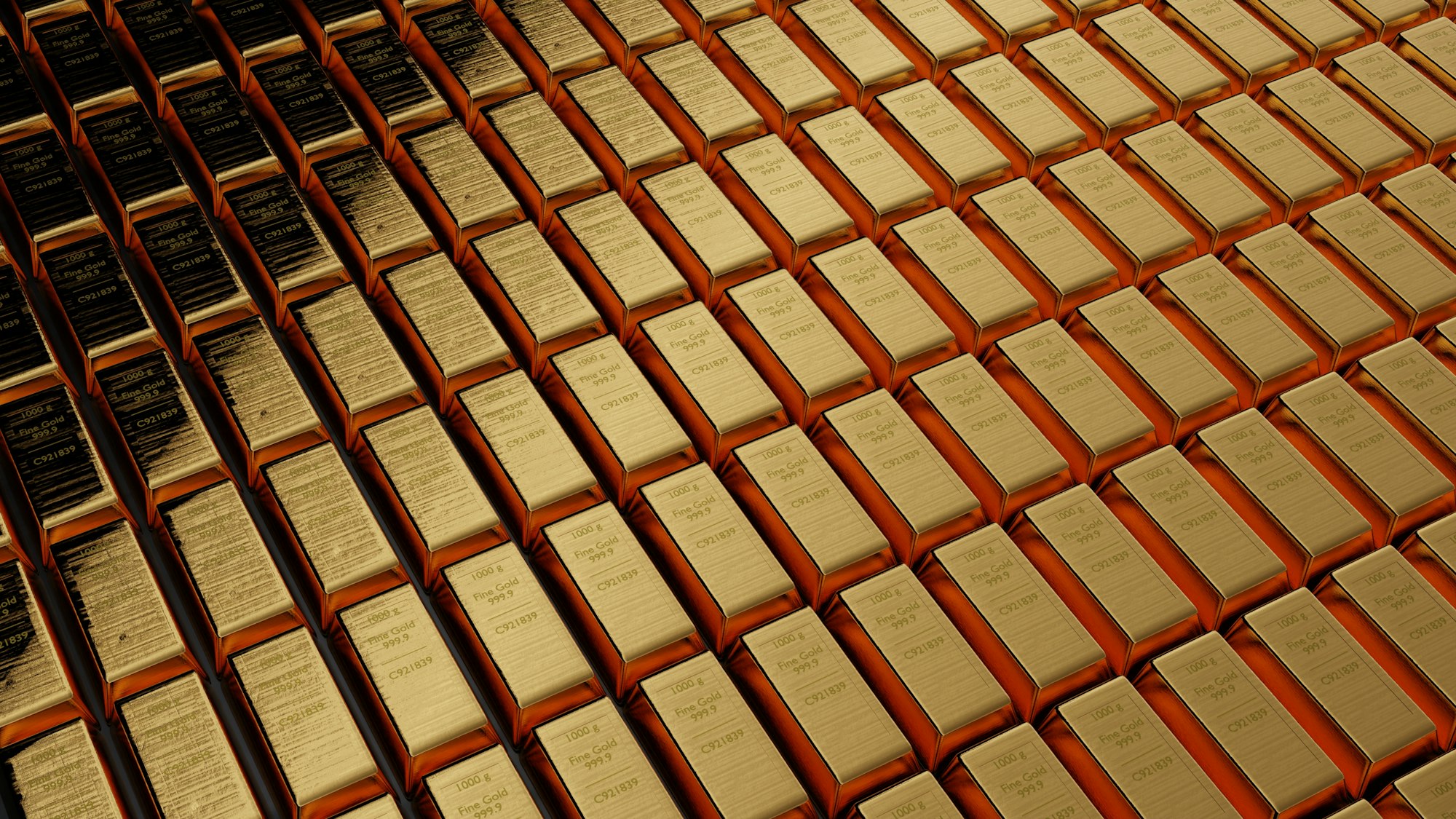
One reason the sticker hasn’t fallen is that tariffs weren’t the only thing pushing it up. Gold is the other half of this story. Reuters reported that gold roughly doubled over two years through late 2025, squeezing margins at luxury groups including Tiffany’s owner LVMH. National Jeweler quoted designer Lisa Nikfarjam pointing out that even where tariffs can be absorbed in the supply chain, “the trade war itself caused widespread market disruption, leading to a surge in the price of gold.” The metal moved independently of the legal framework. It’s still elevated.
That changes the math on “why is this expensive.” A piece from a US-made independent is mostly metal cost plus labor plus design and margin, and tariffs are a rounding error inside that number. A piece from a heritage Italian maison is metal cost plus labor plus design plus brand plus a tariff the supplier may or may not still owe. The gold line moves together. The tariff line moves apart.
That’s also why demi-fine brands spent 2025 reformatting their lines around the metal problem. Business Insider reported Mejuri had modestly increased prices, “less than 10% across collections,” while facing pressure from both precious-metal prices and trade tariffs, and had pivoted to expanding vermeil offerings and lower-karat options. By March 2026, Vogue reported Mejuri had sent a customer letter dated March 9 announcing another round of increases, with one bestseller up more than 20%. Two increases in twelve months at a demi-fine brand built on accessible pricing is a reasonable proxy for how much of this is gold.
Zoë Chicco, quoted in National Jeweler’s spring coverage, described the collapse of entry-level real-gold pricing: a piece that was once $600 is now $1,200. Same designer, same metal spec, twice the tag. Pieces that used to sit below $1,000 are now in the “serious purchase” tier because gold moved, and the design didn’t get any better.
The Sleeper Story: De Minimis Is Gone
One slice of the 2025 tariff shift didn’t get touched by the February executive order, because it was executed under separate authority, and it’s the one that most directly reshapes the online jewelry market at the tier most readers here are shopping.
The $800 de minimis threshold was the rule that let parcels under $800 enter the US duty-free, which made it possible for small online brands to drop-ship straight from overseas. It was eliminated for China-origin goods on May 2, 2025, and for all countries on August 29, 2025. What replaced it on the postal channel was a per-postal-item duty that started at $75 for items before June 1, 2025 and rose to $150 after. A separate executive order in February 2026 explicitly kept the exemption dead. This survived the broader February action and stays in place past July.
It is a permanent change to how low-value international commerce works in the United States, and it killed a specific tier of the online jewelry market: the small Etsy-to-Shopify indies manufacturing in Thailand or India, the drop-ship boutiques sourcing directly from Jaipur, the Instagram brands whose model depended on $200 pieces traveling duty-free. JCK reported that postal services in more than 20 countries suspended US shipments after the rule change, and that small foreign jewelry companies halted US sales because they “just can’t ship here anymore.”
The named casualties are piling up. Irish jeweler Gina Pankowski told JCK the new levies led her to pause US sales and close her Etsy shop, noting “Etsy has also not made any updates to their systems related to the new US tariffs.” Hot Rocks Jewellery in British Columbia said every package now requires duties and tariffs prepaid; in their example, a CAD $135 necklace triggers an additional $47.25 before shipping costs. That’s more than the margin on the piece. Customs processed more than 1.3 billion of these duty-free shipments in 2024 alone. The channel that disappeared was not small.
What you’re seeing in the market as a result is a quiet consolidation. The small online brands that could absorb the fees are absorbing them and passing them through as a vague 25-40% price increase. The ones that couldn’t have disappeared from feeds over the last six months without announcements. The survivors have either moved to US production (harder to scale, easier to price) or pivoted to holding inventory domestically before shipping (slower turnaround, smaller assortments). If you noticed your favorite small jewelry account went quiet over the winter, that’s probably why.

Some brands are making the hedge their story. Glossy reported Catbird produces more than half its inventory in New York City, positioning domestic production as resilience against what the piece called tariffs “wreaking havoc on many brands’ playbooks.” Missoma’s US shipping page now tells buyers their orders “will not be impacted by the tariff changes and will remain duty-free,” which is the kind of language a brand only uses when tariff anxiety is costing them sales.
Kinn, for example, has been transparent about the split: their FAQ flags that many of their chains are made in Italy, which means those pieces are paying about 15% in import duties on top of gold that’s tripled since 2023. Their US-made pieces skip the import cost entirely. Sophie Ratner’s work is hand-fabricated in New York, gram weights published on product pages, and fully insulated from all of this. Marla Aaron manufactures in the Diamond District. WWAKE makes to order in Greenpoint. The list of brands at this tier making domestically has held steady through the tariffs, and it has gotten more visible.
Colored Stones Are Still a Mess
The one category where the tariff story is still volatile and still hurting buyers is colored gemstones. Rapaport called it “the biggest story in 50 years” for a reason. Last spring, the government slapped rates as high as 44% on stones from Sri Lanka, 47% on Madagascar, 36% on Thailand. A 90-day pause dropped most of those to 10%, then the pause ended, the February rollback happened, and nobody in the trade can tell you with confidence what the actual rate is on a parcel of Sri Lankan sapphires arriving in New York this week.
Some colored stones had zero import duty before all of this. Others carried about 10%. The 10% surcharge stacks on top of whatever was there, and for China-origin stones there’s yet another layer. Benjamin Hakimi of Colorline, a colored stone dealer quoted in National Jeweler, described monitoring duty rates across half a dozen source countries and said the rate on China-origin gemstones wasn’t even “immediately clear.” That was last spring. The fog hasn’t lifted.
The practical effect at the buyer level is that a colored-stone piece in a new setting costs what it costs because the brand is guessing. Mixed signals from the government, and the result is wide variance in final pricing between similar pieces from similar dealers. If you’re buying a sapphire ring in April 2026, the number you’re paying reflects somebody’s best estimate of what the stone’s import duty was, layered on top of settings and margin. That number might be 10%, it might be 37%, it depends on paperwork. This is not a market where you get to argue your way to a better price using rate tables. You get to choose dealers who’ve been clear about their sourcing and hope their math is honest.
The estate market, as covered in a separate piece, is what this category really favors right now. Vintage colored-stone pieces were imported and priced under a prior tariff regime, often decades ago, and the stones in them cost what they cost when they crossed the border. Monica Stephenson of Moyo Gems and Anza Gems told National Jeweler she didn’t anticipate raising prices “for as long as” she could continue processing older material. Mason-Kay Jade told partners it was “well stocked… at pre-tariff prices.” The same logic applies up the chain to estate pieces. Buying a mid-century Burmese-ruby ring from a reputable New York dealer is the cleanest way to own a colored stone right now that isn’t dragging any of the current mess along with it.
What Really Changed for a Buyer at This Tier
Strip out the noise. A new imported piece of fine jewelry costs more than it did in 2023, and most of that increase is in the price of gold, and the tariffs just got the blame. The 2025 tariff surge was real but temporary, the legal basis for it was pulled in late February, and what replaced it is a smaller 10% surcharge that expires July 24. The prices that went up in 2025 have not come back down, and there’s no industry mechanism that says they should. The difference is margin the brand is keeping, a hedge against what July brings, or a cost basis that still includes duties already paid that may never be refunded.
De minimis is gone and it isn’t coming back. That’s the tariff change that matters most at this price point, because it restructured which small online brands can exist at all. The brands surviving are the ones making here or holding inventory here.
Francesca Simons, a fine jewelry publicist quoted in National Jeweler, framed the dynamic cleanly: brands serving the “top 5 percent” of customers would be less affected, but brands pricing in the $1,000 to $5,000 range were the ones feeling tariff-and-gold pressure directly. Her clients were planning 10-30% increases ahead of Couture, attributing it to gold and tariff “wiggle room.” That’s the tier most of you are shopping. The piece you’re considering has been pricing for two compounding pressures since last spring.

So the practical read, before you buy anything in the next three months: the brands most insulated from all of this are US-made independents. Their supply chains have fewer levers pulling on them. Jade Trau, Brent Neale, Sophie Ratner, Marla Aaron, WWAKE. Their pieces are priced for metal, labor, and design, and the tariff math inside the tag is a small fraction of any of those. An Italian piece from a heritage house is priced for the metal, the labor, the design, the brand, and a tariff the supplier may not still owe.
The Swiss watch-adjacent houses (Chopard, Piaget, Harry Winston) had a negotiated deal rate in late 2025 that was part of the framework pulled in February. Nobody has announced what replaces it. You can probably guess who knows and isn’t saying. Anyway. If you’re looking at Swiss right now, the honest read is that the pricing is under active negotiation, and any brand that held last year’s price without explanation is working with the same uncertainty you are.
If You Try to Time the Market, Often the Market Times You
If you’re waiting to see whether prices come down, the answer is probably not at the heritage tier. July 24 is the near-term wildcard: if the 10% surcharge expires without a replacement, imported jewelry gets cheaper at the border and you might see brands discount harder into fall to preserve volume. If the rate goes up (the Treasury Secretary signaled in March it could hit 15% on short notice, per National Jeweler) or Congress codifies something new, nothing changes from what you’re seeing now. Either way, the brands that raised most aggressively in 2025 have the least incentive to cut sticker prices; you’ll see the adjustment in sales events, Cyber Week, or trunk shows.
If you’re buying now, the question has moved past tariffs. What matters now is whether what you’re paying reflects the world as it was in November, when every brand was pricing for chaos, or the world as it is in April, when most of the legal framework for that chaos stopped being collected. A thoughtful brand adjusts. Most brands won’t until a competitor does first.
A few things reduce the cost of being wrong about timing. Start with the return policy: the window, what counts as unworn, whether you get cash back or store credit. A surprise sales event a month after your purchase shouldn’t be a locked-in loss. Resale value matters next, and it varies sharply by tier; pieces from houses with a real secondary market hold their price in ways demi-fine generally doesn’t. Gold content is the last anchor. Karat, solid versus vermeil, weight in grams if the brand will disclose it. The metal floor is the closest thing to a price that belongs to you rather than the brand.
Buy from people who make what they sell and price what’s in it. Ask about origin. Read the FAQ. If a brand’s pricing page doesn’t mention where the piece was made, read that silence as a data point. The jewelry market is one of the few luxury categories where the supply chain is readable to a consumer who bothers to look. The tariff story just made looking more valuable.
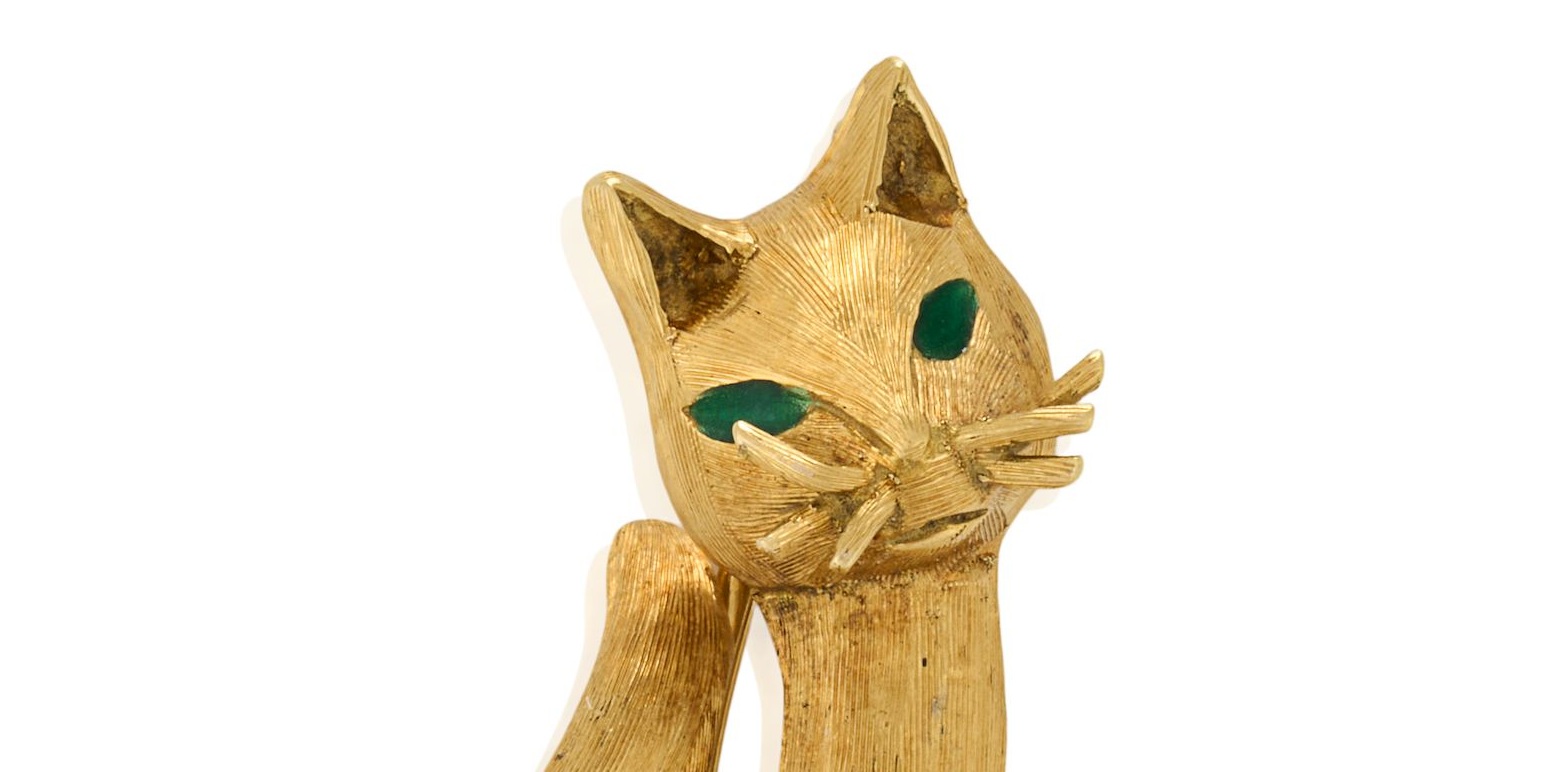
Sandy Lerner Is Rehoming Her Cats: A Tiffany Cat Brooch and Sixty-Five More
The Cisco co-founder spent four decades collecting cats in gold, enamel, amethyst and bronze. On 30 September 2026 Bonhams sells 66 of them in New York, from a $700 carved cat to a $120,000 bronze by the sculptor Rembrandt Bugatti. She is keeping the live ones.
Why Are Jewelry Prices Still Going Up?
Jewelry costs about 15% more than it did a year ago, and it is the gold accounting for most of it. The answer coming back from the jewelry trade and brands is less gold in the piece, which changes what you have to ask for at the counter.

Natural Diamond Prices Are Going Up Again, at Least for Now
Lab-grown stones pushed mined diamond prices down for years. The diamond trade's price index rose again in August, led by small stones. What that changes for you.
The newsletter.
One email when something is worth your attention. New essays, the buying calls behind them, and what we’re watching in the trade. No roundups, no affiliate dumps.