The Jewelry Brands Worth Knowing (That Aren't Cartier)
The most interesting design work in fine jewelry is happening one tier below the global houses. Six independent brands with serious retail presence and real followings.
Ask someone to name five jewelry brands. You’ll get Cartier, Tiffany, Van Cleef, maybe Bulgari, and then a pause. Maybe you’ll get a drop to a traditional mall brand, maybe someone local. But many people who enjoy jewelry don’t know much beyond that.
There’s nothing wrong with any of those names. They make extraordinary things. But the most interesting design work in fine jewelry right now is happening one tier below the global houses, with independent designers like Jade Trau and Sorellina, who have real followings and real retail placement but haven’t crossed into name-recognition territory for most people. You won’t see them in an airport ad, but you will at Harrods, at Net-a-Porter, at Saks. The smaller overhead also tends to mean more of your money goes into the actual piece: the gold, the stone, the setting.
Six worth knowing.
Brent Neale
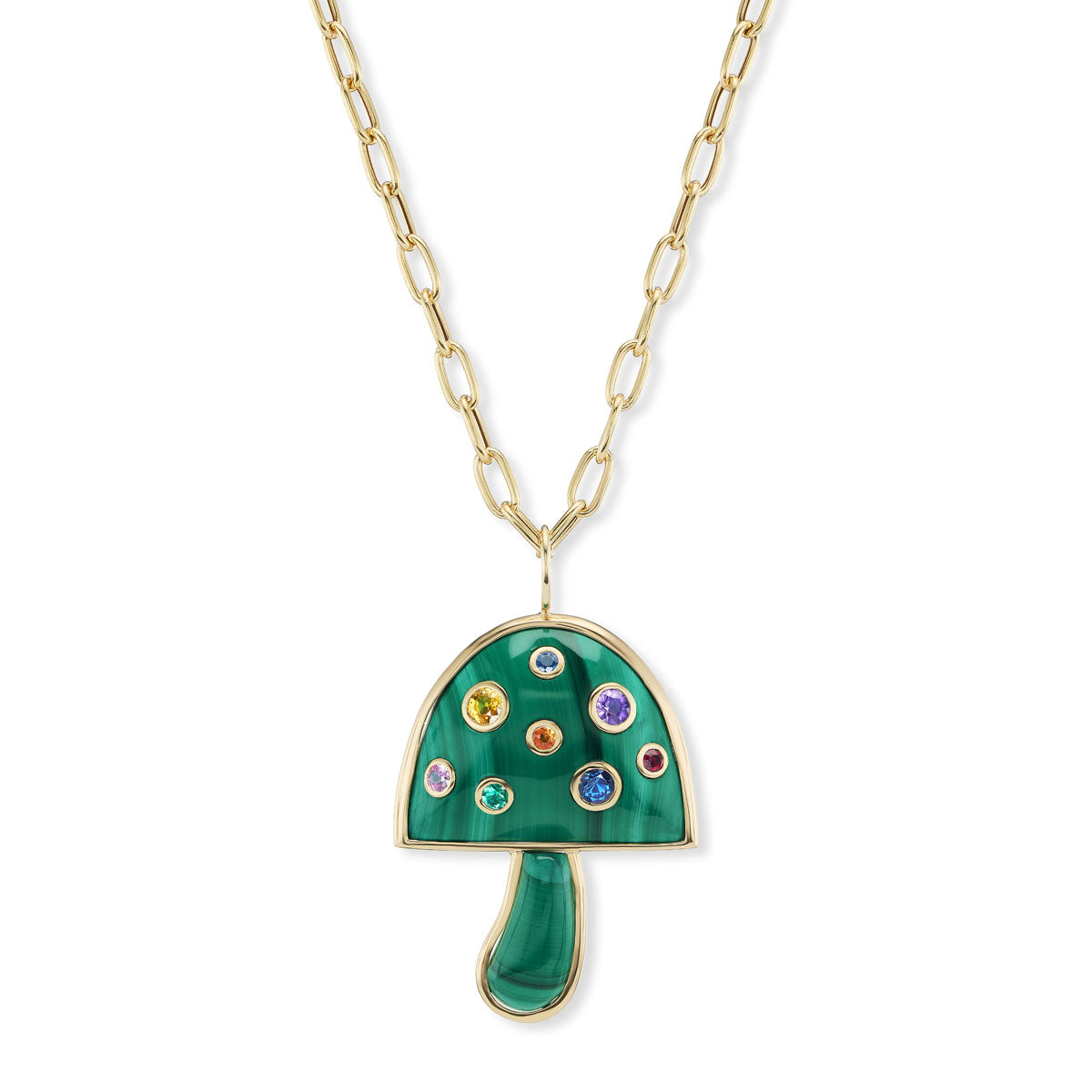
Brent Neale Winston trained at FIT under Maurice Galli, who spent decades designing for Harry Winston, Van Cleef, and Tiffany. Then she went and spent eight years as the jewelry director at Kara Ross. Then she launched a line of 18K gold mushroom pendants.
The construction underneath a Brent Neale piece has serious pedigree. The thing on top is a gold mushroom with a coral cap, or a door pendant in sapphires that costs more than your first car. The pieces look like joy, which is either your thing or it isn’t. Wearing a Brent Neale mushroom pendant communicates something specific: you take your jewelry seriously enough to not take it seriously.
Brent Neale was a GEM Award nominee for Jewelry Design in 2022, which is the industry’s version of a Best Director nod, and the pieces are made by craftspeople in Manhattan’s Diamond District. Net-a-Porter carries her, and so does TWIST in Portland: serious retail company for a line of gold mushrooms.
Pricing spans a wide range, from mini studs around $850 up through signature pendants and statement rings in the $2,000 to $5,000 band, with some pieces well above that. The mid-thousands is where her personality really shows, and where you get the most of it for your money. The mini studs are made to order, twelve to sixteen weeks of it, so if a piece is meant for a date on the calendar, ask about the timeline before you fall in love.
Jade Trau
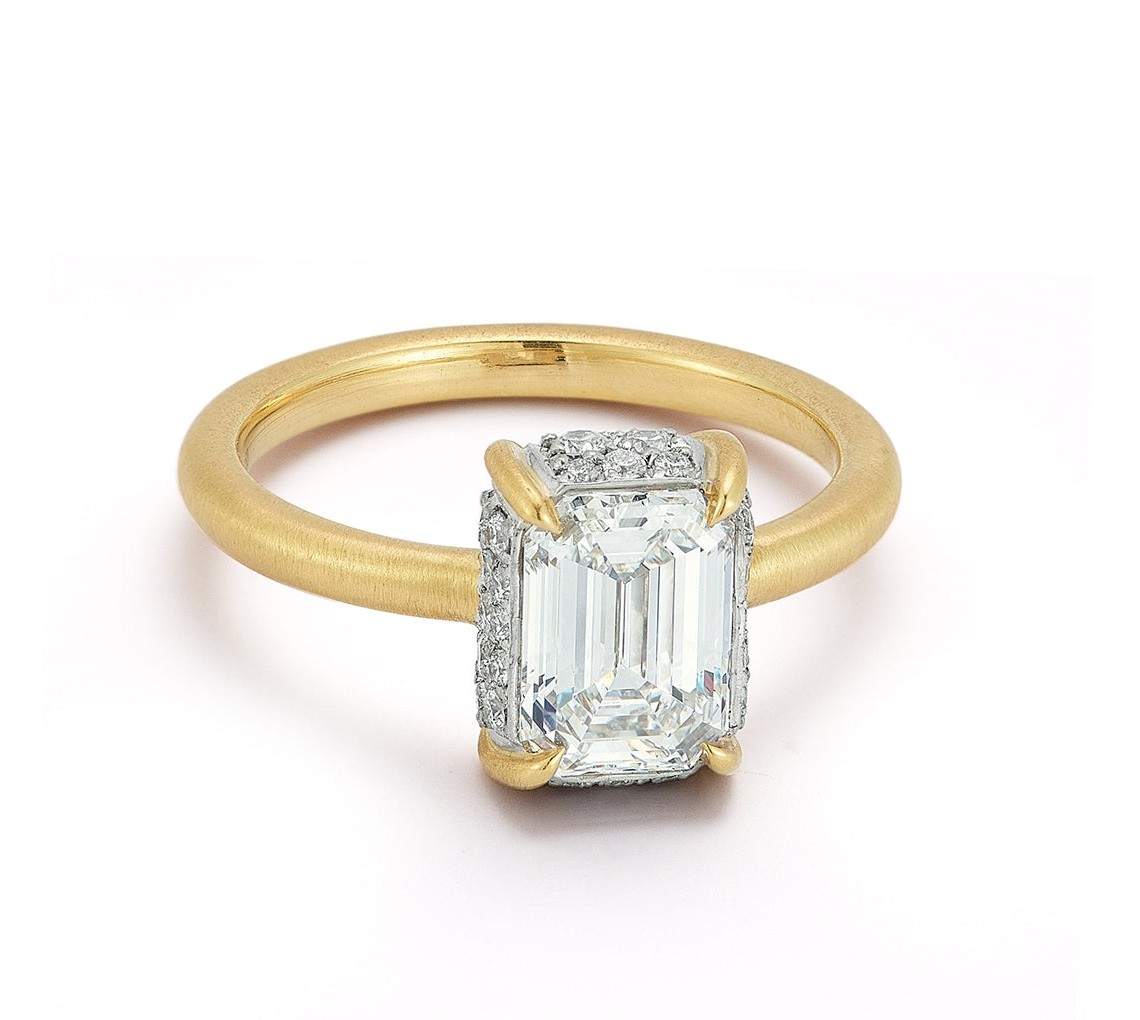
Jade Trau is a New York designer from a family that has been in diamonds for generations, with roots in Antwerp’s diamond trade going back to the early 1900s. She grew up in it: 47th Street, the cutting, the grading, the language of stones that most people never learn. Her brand does diamonds the way someone who’s handled them her entire life does diamonds, with confidence and restraint.
The design language is classic-contemporary: a signet ring with an emerald-cut diamond that reads as both vintage and current, hoops with just enough weight, bangles that stack without competing. One signature detail runs through the line, a thin gold outline on diamond settings that frames the stone and lets you see its shape from across a room. She designed a custom diamond bracelet for Olivia Munn’s 2016 Oscar look, which is the kind of placement that happens when the work is good enough that stylists come looking for you.
Her showroom at 485 Madison Avenue is the place to see the work in person, and Harrods carries her in London. The brand is pushing internationally right now, and the stockist list moves as it goes, so a shop that carried her last season may not this one. Check her own list before you travel for a piece.
Hoops start around $1,500 and climb from there, with some running close to $10,000, and rings start higher still. The sweet spot is the huggies (small hoops that hug the earlobe) and the simpler band designs, where the Trau family craftsmanship shows without the price requiring a conversation with your financial advisor.
GOODSTONE
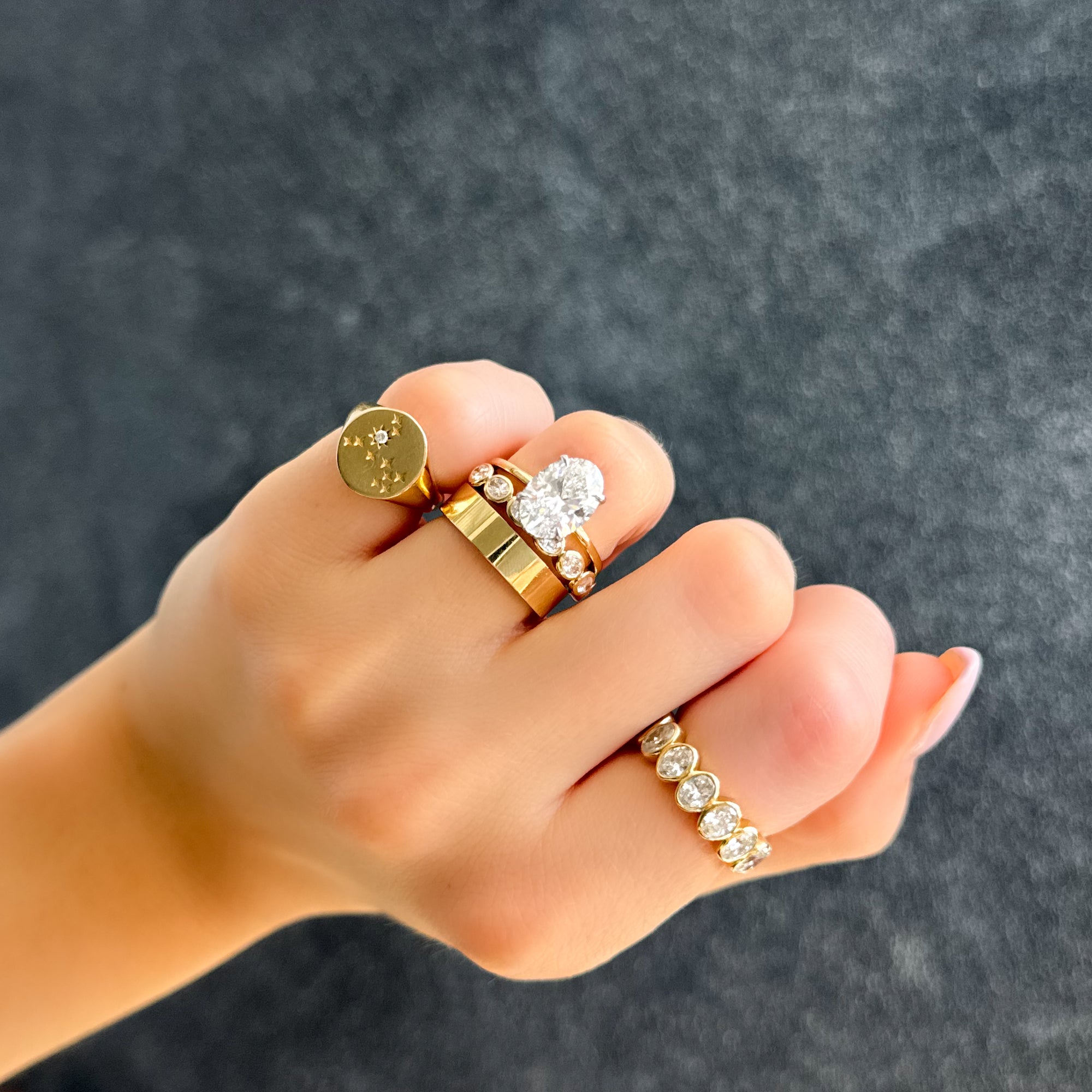
Blake Asaad started GOODSTONE in January 2016 because the jewelry buying process was broken. Inflated prices, pushy sales, a system designed to make you feel stupid for not knowing what you’re looking at. The fix was to take the whole thing online, make it transparent, and build every ring with the customer in the room, even if the room is virtual. Every piece is handcrafted by generational artisans in LA, and every ring ships with full documentation: lab certification, material origin statements, the whole chain of custody. You know exactly where your diamond came from.
The process is custom-focused: you talk to a design specialist, work through CAD renderings, and end up with something built to your specifications. They have a library of setting styles to start from if you don’t know exactly what you want, and settings run roughly $1,925 to $4,825 before you add the stone. A completed ring with a diamond will run higher.
Every ring carries a lifetime warranty with free resizing, and the lifetime part is literal. A ring you plan to wear for decades will need an adjustment eventually, and when it does, the work is covered. Returns are the tighter side of the policy: one per year, domestic only, so do your deciding while the ring is still a rendering.
Selin Kent
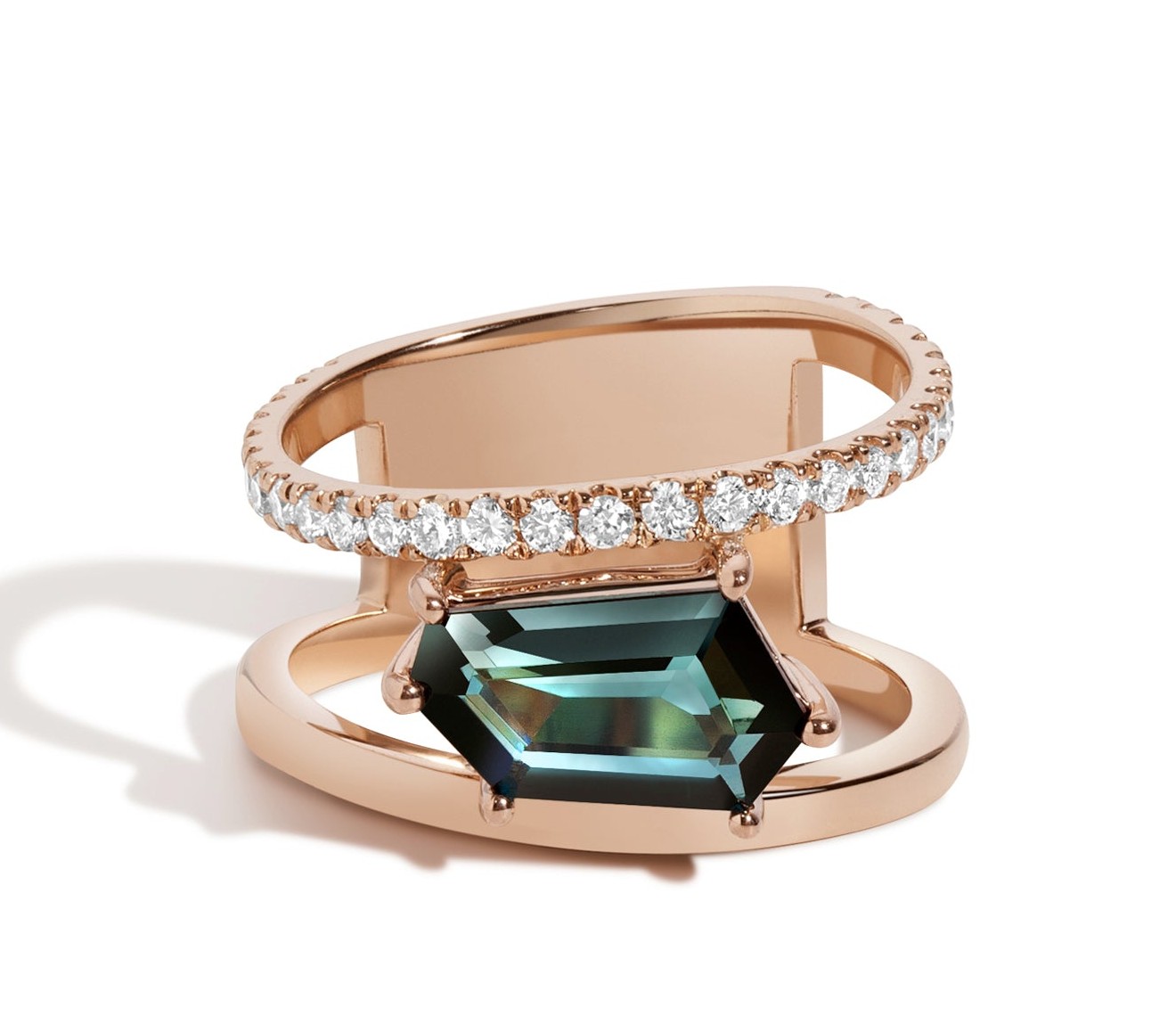
Selin Kent is a designer with a studio in Brooklyn, and her work is a rebuttal to that feeling you get in front of a case of gold jewelry, the one where everything starts to look the same: angular settings, unexpected stone placements, pieces that look like they were designed by someone who studied architecture and then got distracted by 14K gold. She hand-selects every stone herself, and she’ll repurpose family heirlooms if you bring her something you’ve inherited but can’t quite wear as-is, a service that earns a customer for life.
Most of the collection sits in the $1,000 to $3,500 range, and smaller earrings start around $200 if you want a way in without committing four figures. The Brooklyn showroom is by appointment, and Love Adorned and Roseark carry her if you’d rather browse. Custom pieces are final sale, and even for non-custom orders you have 48 hours to flag anything wrong, which is a tight window, so be sure about sizing before you check out.
Catbird
Catbird started in Brooklyn in 2004 as a single Williamsburg shop, and twenty-two years later there are locations in SoHo, Rockefeller Center, two in LA, and outposts in Boston, Georgetown, San Francisco, and Seattle. That growth happened without a rebrand, a pivot, or a celebrity creative director, just two decades of making the same kind of beautiful thing and refining it.
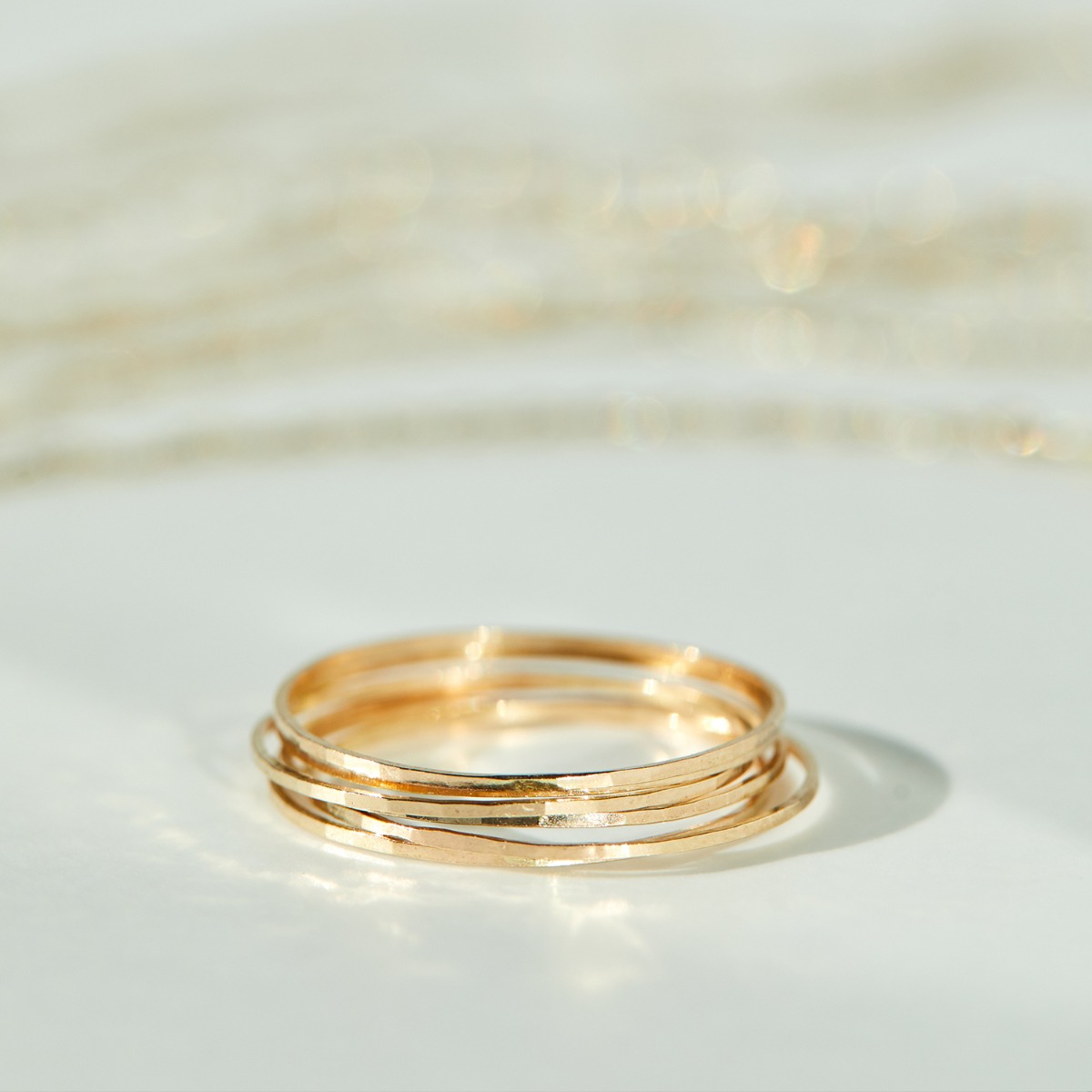
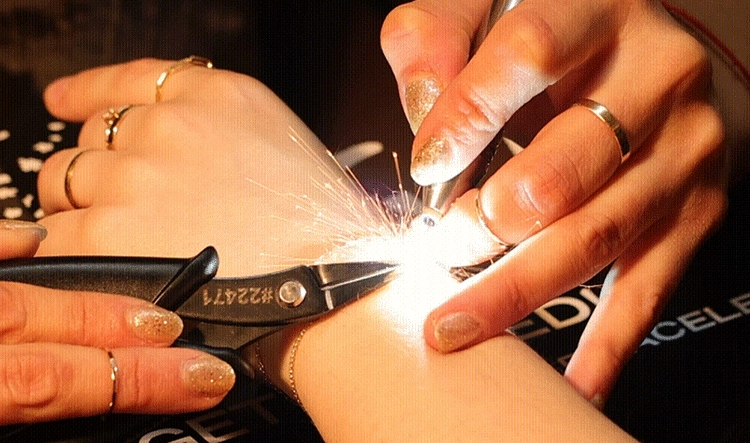
The house style is delicate, intentional, and slightly romantic: thin bands, small stones, pieces that whisper. Catbird is also the brand that popularized permanent jewelry. You walk into the store, they weld a bracelet or anklet onto you, and that’s it: no clasp, it doesn’t come off. The idea sounds extreme until you realize it’s the logical endpoint of Catbird’s whole philosophy, which is jewelry so integrated into your life that the boundary between wearing it and not wearing it disappears. The permanent jewelry trend has since spread everywhere, but Catbird got there first. All core jewelry is solid gold, never plated, and the brand has used recycled gold and recycled diamonds since founding, over 95% recycled solid gold per their own numbers.
The trade-off with Catbird is the one you’d expect from the aesthetic: delicate means delicate. Some of their bands run as thin as 1mm, and customers report rings bending at the setting and, with daily wear, sometimes snapping outright. The Threadbare ring is beautiful, and more than a few customers who wear theirs every day report the band bent or broke well inside a decade. If you’re buying Catbird for a piece you’ll wear every day through everything, ask about band thickness before you commit. If you’re buying it knowing what it is, fine and light and meant to feel like nothing, it’s exactly right.
Catbird’s growth has also come with some growing pains in the stores: longer waits, inconsistent service, staff that occasionally feels more overwhelmed than welcoming. The product hasn’t changed, but the experience of buying it in person has gotten less predictable. Online is seamless, and in-store depends on the location and the day.
Catbird’s price range is wider than most independents. A diamond tennis bracelet runs $3,280 and engagement rings start above $5,000, but you can walk into the Williamsburg flagship at 108 North 7th Street and leave with a piece for a few hundred dollars that is solid gold all the way through and set with a real diamond. That accessibility is rare in fine jewelry.
Sorellina
Sorellina started the way a lot of the best independent brands do: Nicole Carosella studied jewelry design at FIT, her sister Kim studied art history at Tulane, and when Kim got engaged she asked Nicole to help design the ring. That was 2012. Now they’re a full collection, Brooklyn-based, and the work still has that sisterly energy: bold where independent jewelry often plays safe, Italian-inflected in a market that skews Scandinavian-minimal.
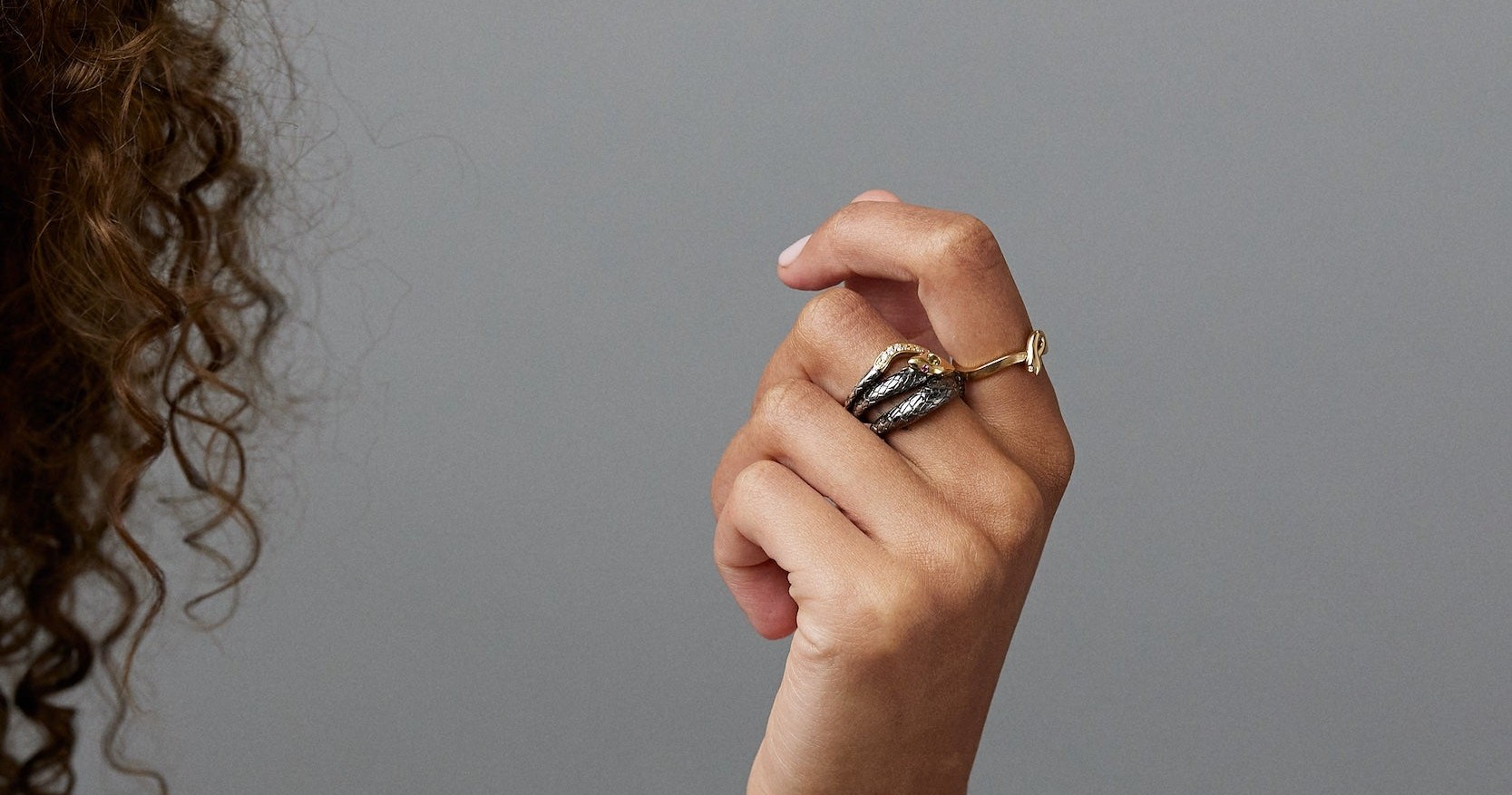
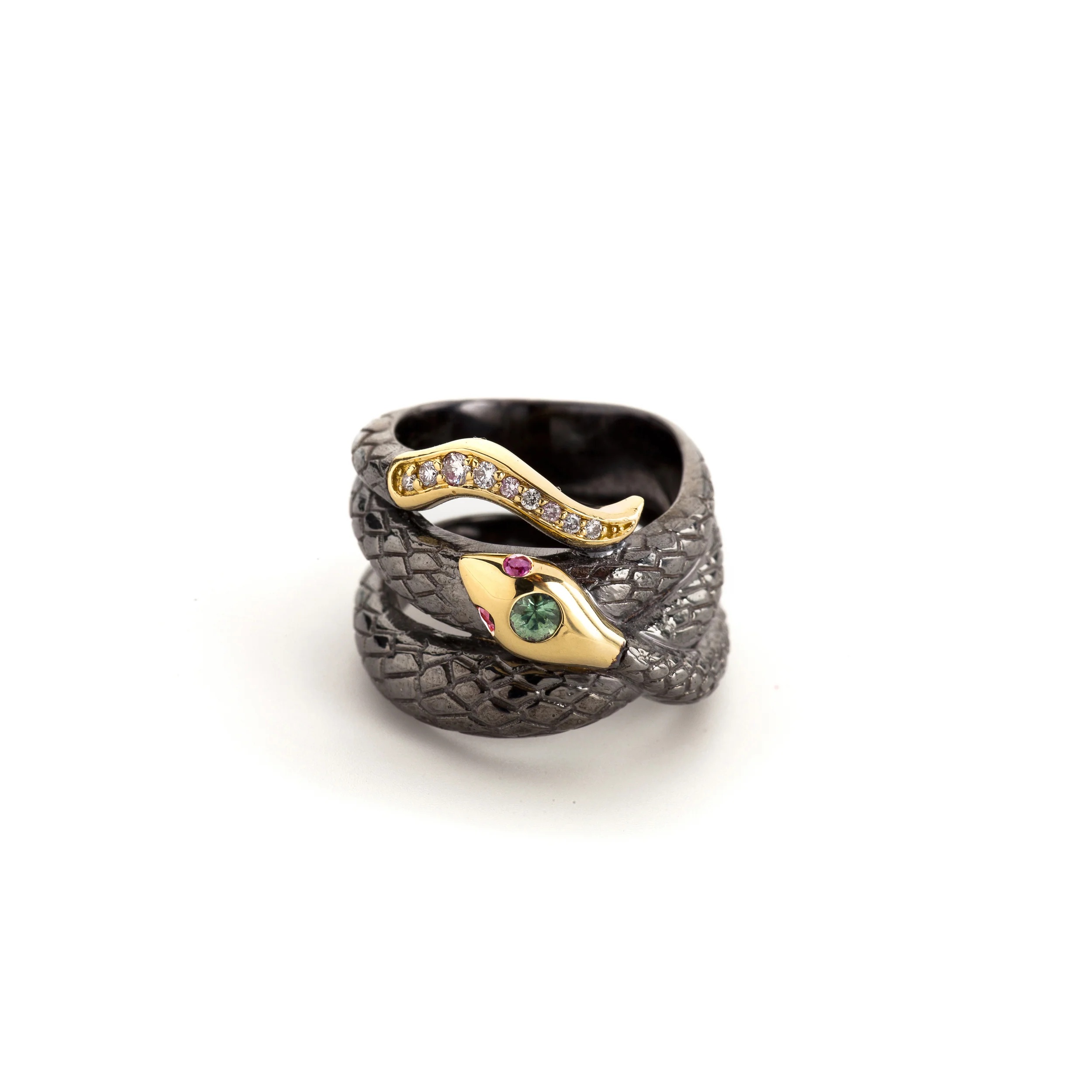
The collections lean into symbolism, zodiac motifs and celestial themes and intaglio signet rings, where the design is carved down into the stone the way old wax seals were, all rendered in 18K gold with real presence. Florence Welch layers their snake rings from the Victoria collection. These pieces command a room the way a well-cut blazer does, through intention: real weight, real scale, built to be the loudest thing you’re wearing.
Sorellina is stocked at Saks Fifth Avenue and by a network of independent jewelers across the US, which means you can usually get eyes on the work without a trip to Brooklyn. The entry point has been moving, though: an 18K gold emerald stacking band runs $2,200, about $800 more than it did this spring, with gold prices doing most of the pushing. Statement pendants and zodiac pieces climb from there.
Finding Your Entry Point
If you want color and character and don’t mind explaining your mushroom pendant at dinner, start with Brent Neale. If diamonds are the point and you want them set by someone whose family has been cutting them for longer than most brands have existed, Jade Trau. GOODSTONE is the one to call when you want a ring built around you specifically and you want to see the paperwork proving where every part came from. Selin Kent for the person who keeps getting told their taste is “architectural.” Catbird if you want something you’ll forget you’re wearing, in the best way. Sorellina if you want a serpent ring with a green sapphire head that people notice before they’ve caught your name.
With all six, you’re buying from a person or a small team with a specific vision, while at the global houses, jewelry is one division of a company that also sells handbags and perfume. You can tell the difference in the piece itself: in whether the clasp was an afterthought or a decision, and in whether the design was drawn for the display case or for the hand that wears it. Look down at your hand right now. That’s the angle you’ll see it from most.
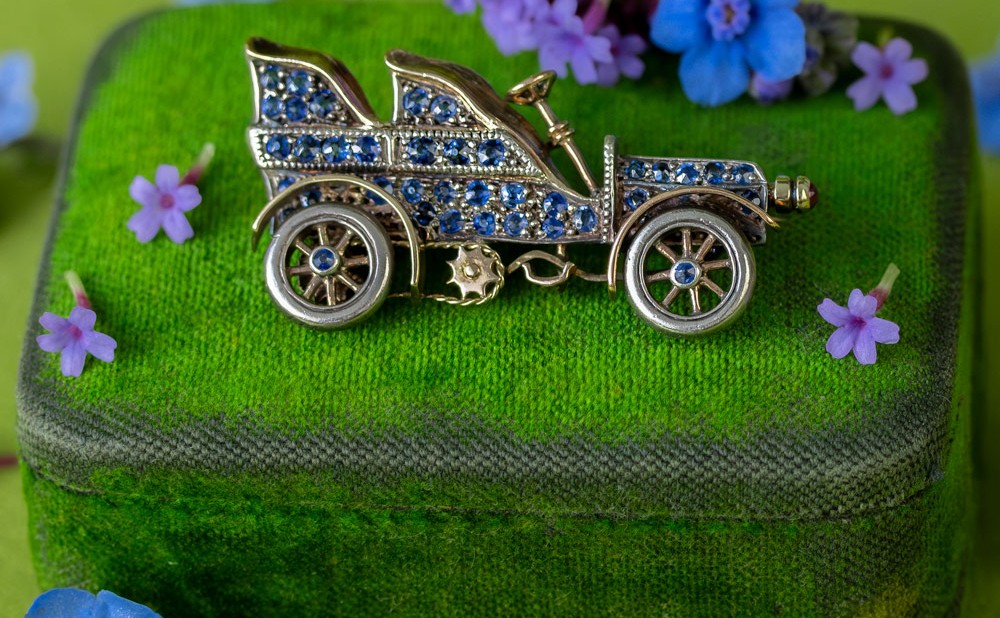
The Fine Jewelry Brooch: Where It Came From, Why It's Back, and Where It's Going
The brooch fastened clothing for thousands of years before it became ornament. Its history, the video-call origin of its return, what the fall shows added, and why the brooches worth buying now mostly sit in estate cases.
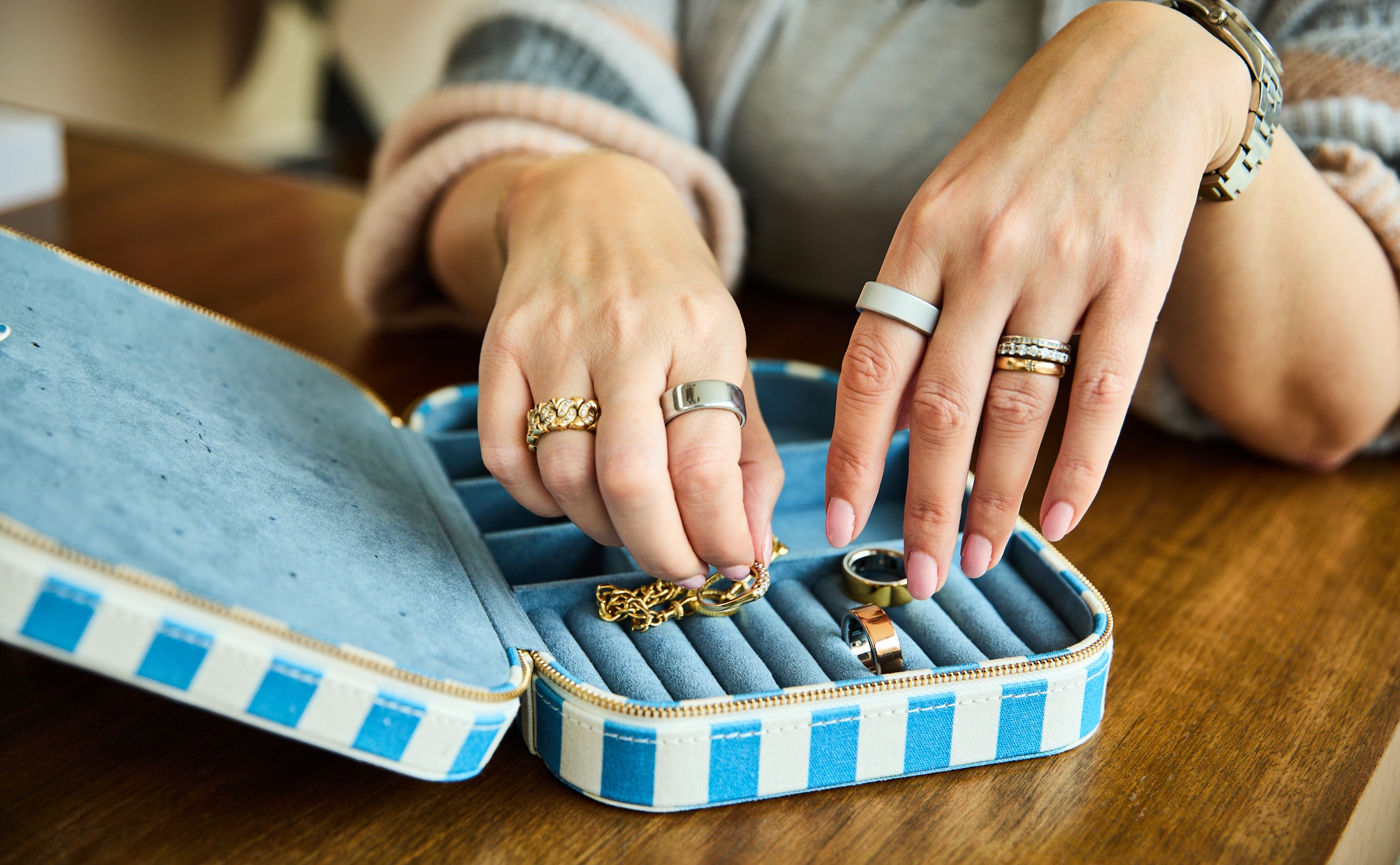
Smart Rings That Look Like Jewelry: Oura Ring 5 vs Ultrahuman Rare
The Oura Ring 5 is small enough to pass for a plain gold band, but its gold is a coating. Ultrahuman's Rare is solid 18k. Neither is quite fine jewelry, and whether either is worth it comes down to what you will trade.
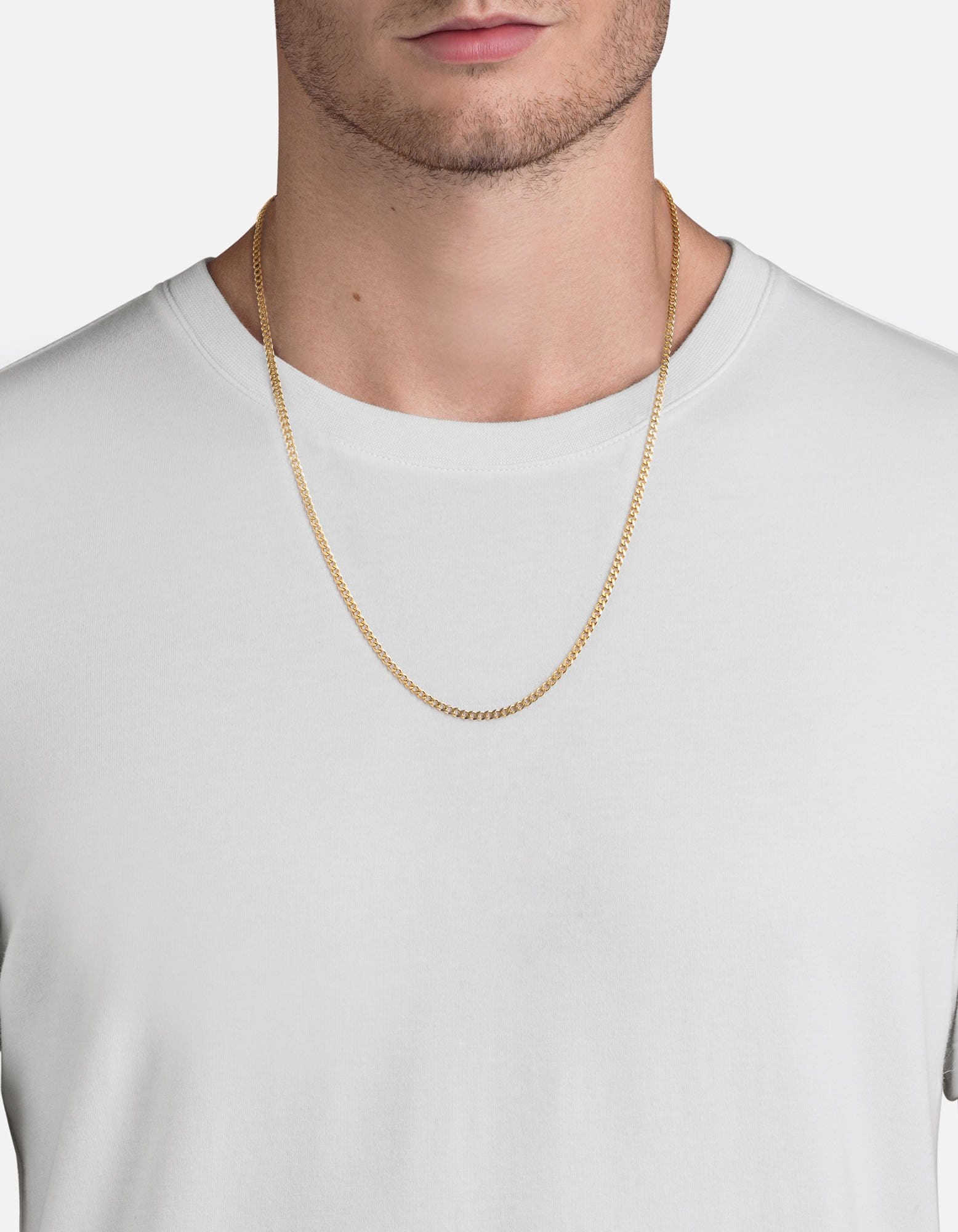
The Men's Fine Jewelry Guide: What's Worth Buying in Solid Gold
A map of men's fine jewelry in solid gold, from the gold chain to the rings past the signet: why solid gold over coated steel, what each piece costs, and who makes the version worth buying.
The newsletter.
One email when something is worth your attention. New essays, the buying calls behind them, and what we’re watching in the trade. No roundups, no affiliate dumps.