After Quiet Luxury: What Fine Jewelry Looks Like Now
The trend labels have moved from quiet luxury to organic maximalism. The underlying shift is a proportion change, not a replacement, and the piece you buy should hold up regardless of which label is running.
For the past two years, the fine jewelry getting written about has stayed close to a handful of forms: a thin Cartier bracelet, a plain signet ring, a solitaire pendant on a fine chain. Clean lines, good materials, pieces built to wear daily and hold up over years. The label that caught on was quiet luxury.
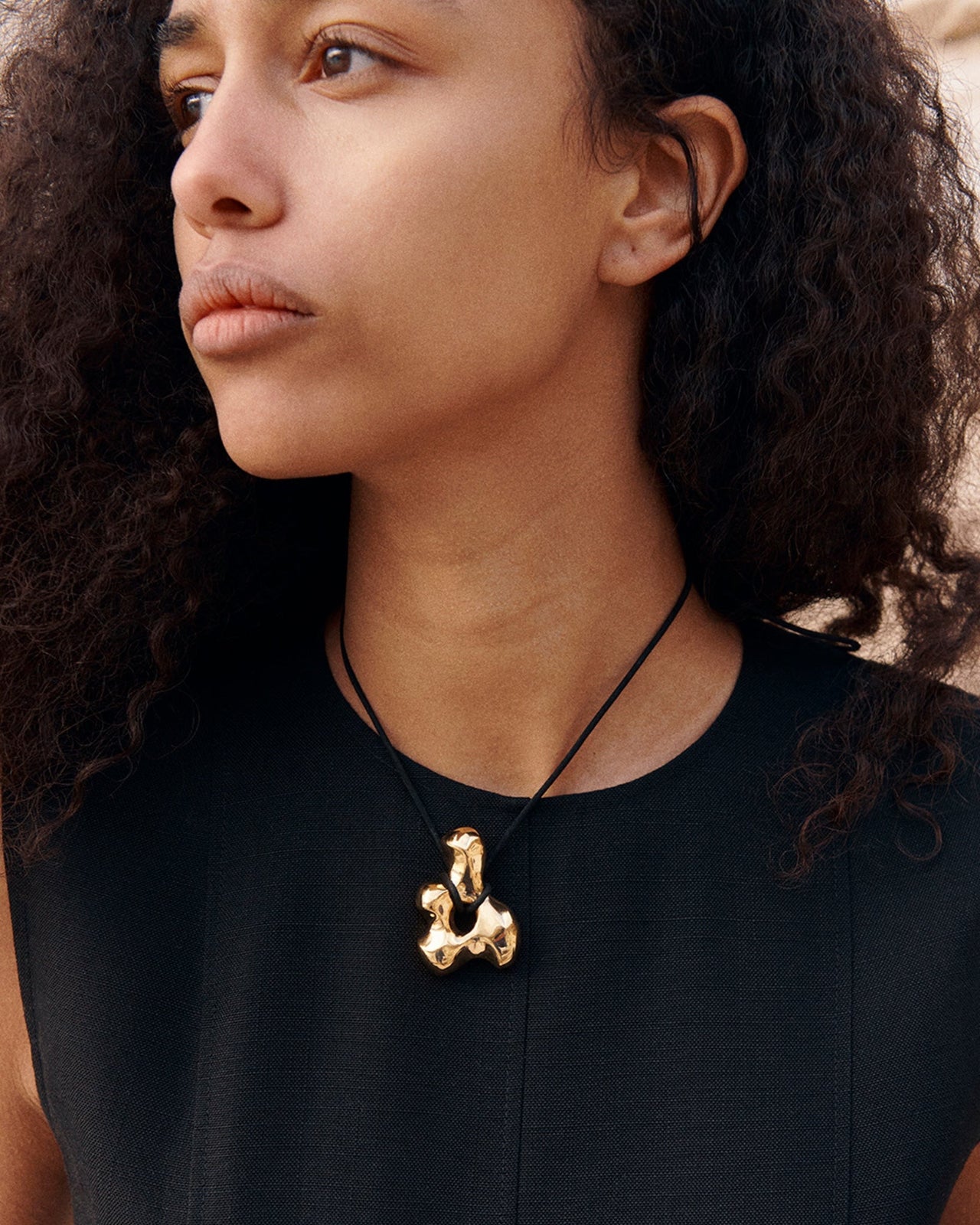
By 2026 the new label is organic maximalism: sculptural forms, bold gold volume, pieces that make their argument through shape. The editorial reference is a wide hammered cuff, a large asymmetric earring, a pendant that takes up its full share of the look.
Both are real aesthetics, and a well-chosen piece in either register is a good piece of jewelry. What’s worth understanding is what separates them, because trend labels cycle on a much faster clock than fine jewelry does, and the pieces you own should still hold up when the next label lands.
What Quiet Luxury Was
In jewelry, quiet luxury meant clean lines and well-made pieces. A thin gold bracelet. A plain band. A solitaire on a fine chain. The Cartier Love bracelet belongs here because the design logic is the same: one precise decision, one material, nothing extra. The pieces were built to be worn every day and to hold up on their own. That’s still the reason to buy them, and the reason they look exactly the same this year as they did five years ago.
Search interest in quiet luxury peaked in spring 2023 after Succession season 4 and the Sofia Richie Grainge wedding locked it into mainstream culture. By October 2023 Glamour was running “Quiet Luxury Is O-V-E-R.” By summer 2025 it was “Lazy Luxury Is the New Quiet Luxury (Which Is Now Dead, BTW).” The whole arc took 26 months.
What Organic Maximalism Is
Organic maximalism, as the term gets used in current coverage, is a shift in scale. The pieces get larger. The underlying design principle, one deliberate decision rather than ornament, stays the same.
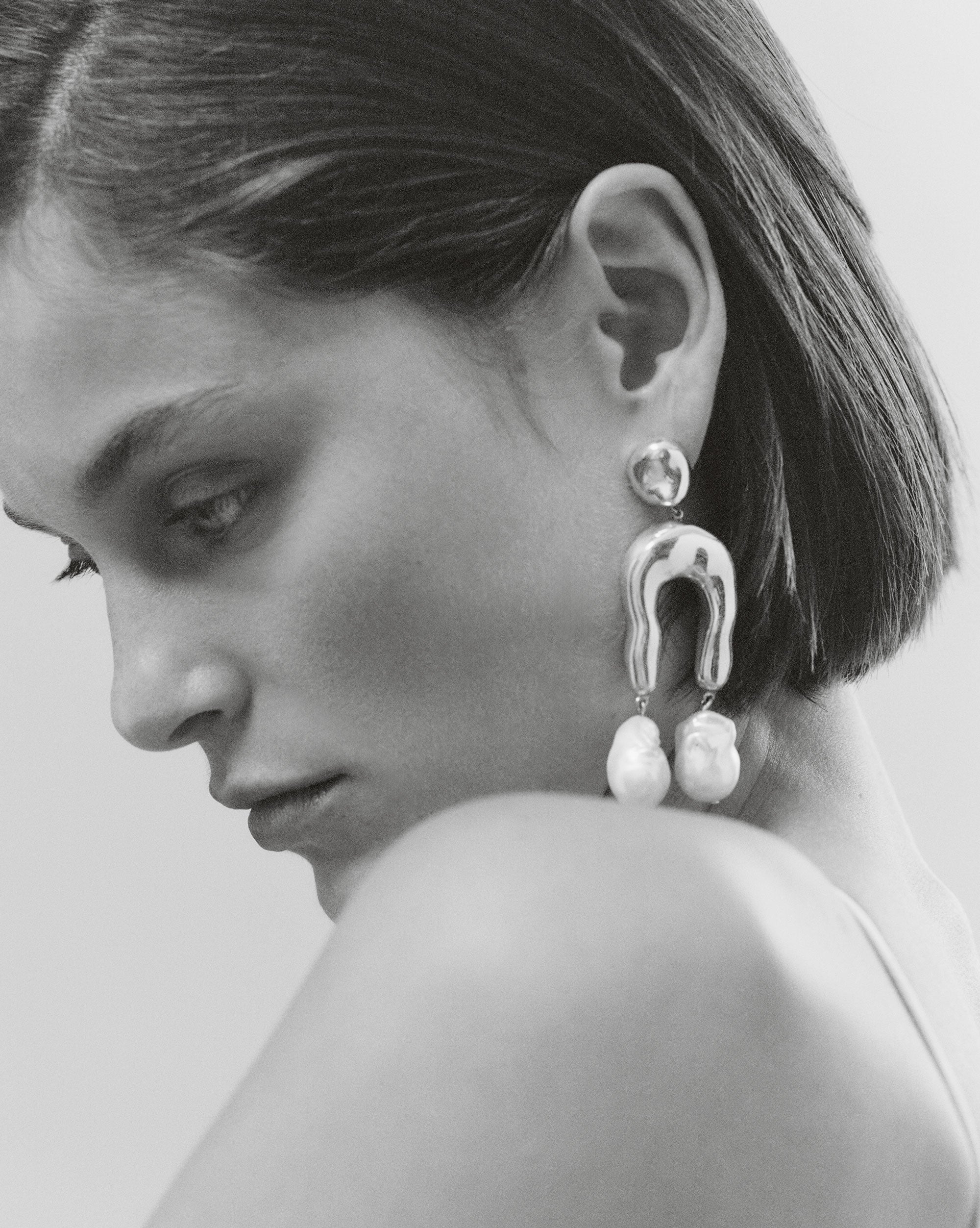
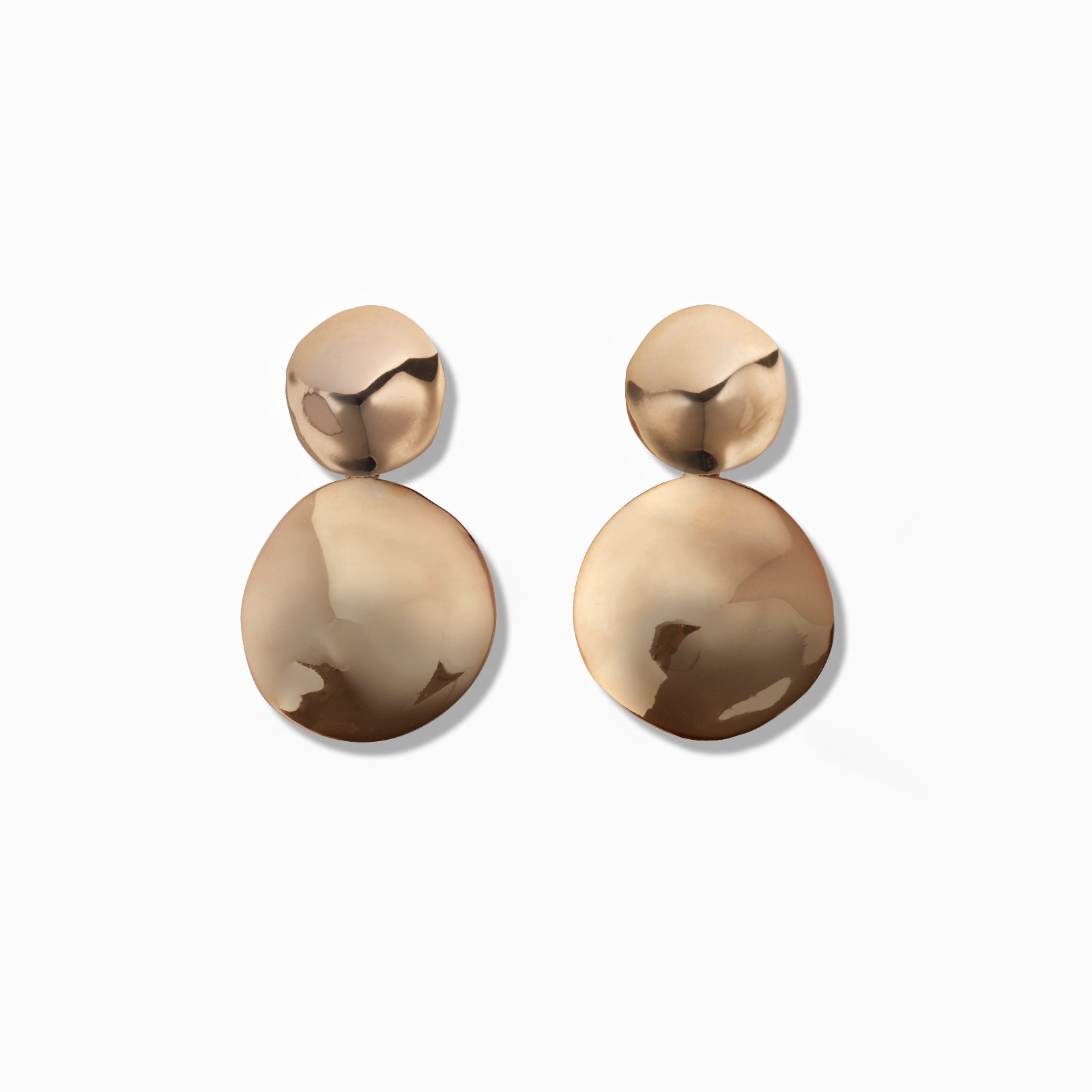
The pieces in this category use volume as the design element itself. A sculptural cuff that takes up the wrist as a single deliberate stroke. A large asymmetric earring that reads as form first, setting second. A bold gold piece that announces itself through shape. The right proportion for a piece is sometimes large, and letting it take up that space is the whole design.
A quiet luxury piece is built to sit comfortably in a look and hold up over time. An organic maximalism piece is built to be the look, with everything else arranged around it. Both are design decisions. Neither one is the right answer on its own.
Fashionista’s February 2026 jewelry trends feature quotes Jillian Sassone of Marrow Fine Jewelry saying buyers no longer want simply “minimal, clean and very polished” pieces; now they want pieces that feel “collected, expressive and a little unexpected,” with “organic, fluid forms” taking the spotlight. British Vogue’s December 2025 trends piece agrees: the 2026 mood is fewer but more substantial pieces. Both are describing a proportion shift, which is a smaller claim than a maximalism takeover.
How to Tell the Difference
The useful frame is proportion, not loudness.
A quiet luxury piece done correctly: one precise, well-made object. Nothing competing with it. The restraint is the decision, and it reads as intentional to anyone paying attention.
An organic maximalism piece done correctly: one piece with significant presence. Sculptural form, deliberate scale. The rest of the look is built around the fact that this piece is the point.
Both require editing. Both require intention. The failure mode is the same in either case.
Research on jewelry consumer behavior documented a pattern they call “minimalist maximalism”: buyers routinely combine individual minimal pieces with maximal buying habits, especially stacking and layering. That’s the jewelry market: repeat purchases, personalization, the piece that completes the next stack. Adding ring after ring or reaching for one more layering necklace is how the category works.
There’s a different satisfaction in the other direction: one piece, or two, that form a single visual intention together. Chosen because they belong with each other, which isn’t better or worse than a well-built stack, but reads differently on the body.
The clearest recent illustration: Rose Byrne at the 2026 Oscars, in a one-of-a-kind Taffin sculptural torque necklace centered on a 22.58-carat yellow-brown Desert Diamond. One necklace, high enough in volume and strange enough in contour to do all the work alone. National Jeweler titled its roundup “One Necklace After Another.” For contrast: at the 2025 Met Gala, designers Soull and Dynasty Ogun of L’Enchanteur arrived in layered chains Vogue described as “rich with spiritual and ancestral meaning.” Cumulative, narrative, stack-built. One look had a visual thesis. The other was building one in layers.
They can photograph similarly, but they read very differently in a room.
The Labels Are Moving Faster Than the Objects
Bondeye Jewelry’s 2026 trend guide declares “Quiet Luxury has been replaced by Organic Maximalism” and defines the new look as “intentional, sculptural curation.” The language is louder than anything on the shelf.
Mejuri’s Charlotte collection launched in 2020 as an “ode to French girl style” with pastry-inspired ribbed forms. That same collection now sells as “Bold Chunky Gold & Silver Jewelry.” The pieces are substantially the same. The words changed more than the forms did.
The label is never quite describing the object. A piece that sits in the right proportion of the full look, built around rather than accumulated onto, won’t feel wrong when the labels update. That’s what makes the trend cycle mostly irrelevant to a well-considered purchase.
The Objects
The designers working in this space build in sculptural gold with organic forms, with the volume of the piece itself carrying the design rather than the surface detail doing the work. The pieces that succeed in this category share one quality: the scale is the design itself, carried through the whole piece.
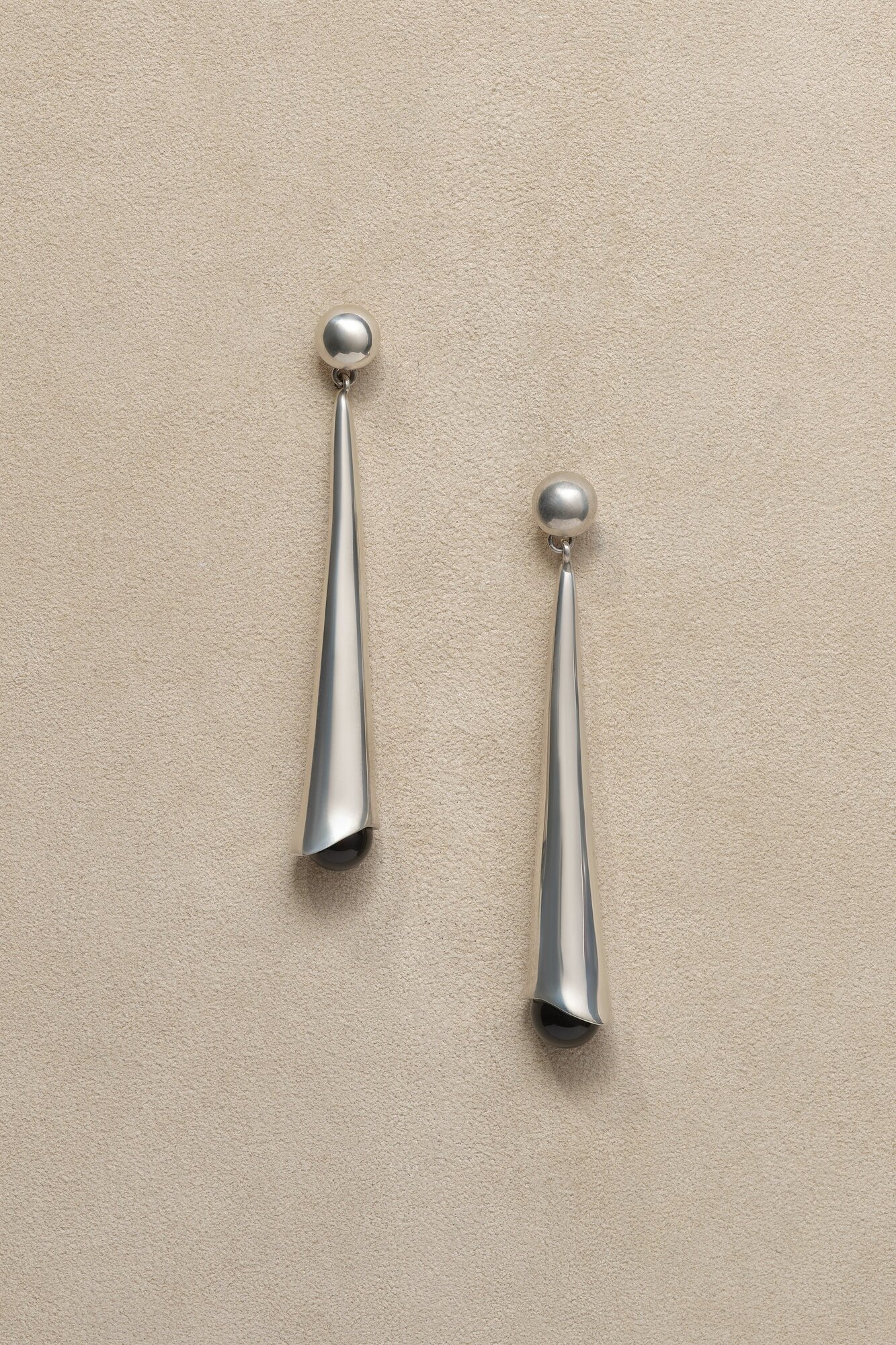
Sophie Buhai describes her work as “jewelry as objects or sculpture,” and her process moves from research boards through wax prototypes to repeated edits before anything ships. The Lou Lou Drop Earrings in sterling silver with onyx ($795) make the argument plainly: the mass sits in the onyx, the drop reads as a single stroke, and there’s no ornamental incident anywhere on the piece. For the same logic in a hoop form, the Bagel Hoops run $350–$535. A March 2025 retrospective around her Paris work framed the decade of output as a shift from “modernist heirloom jewels” into “museum-worthy objets d’art.” That framing gets at what makes the work feel like it’s operating on a longer timeline than trend cycles run on.
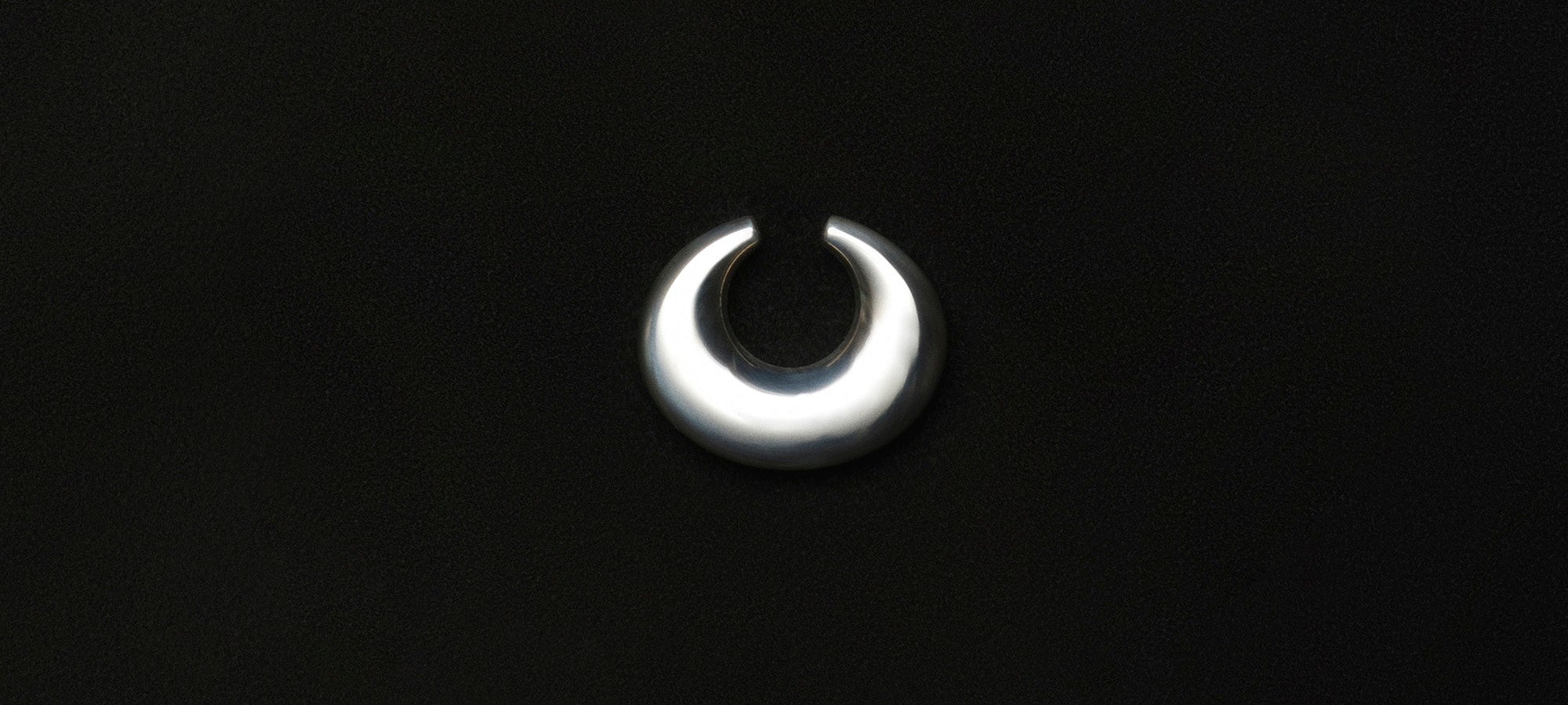
AGMES takes a similar approach in different forms: kiln-fired cuffs and drops polished by hand, described by the studio as “sculptural forms and precious metals.” The Short Stella Earrings ($480) are the cleanest example, a compact circular drop with no competing details. The Imogene Earrings in 14k gold ($1,440) move up in price and presence. For a single neck piece, the Bodmer Pendant (from $590) was singled out in a profile for its fluid silhouette, which is the right call when you want one thing doing all the work on the neckline.
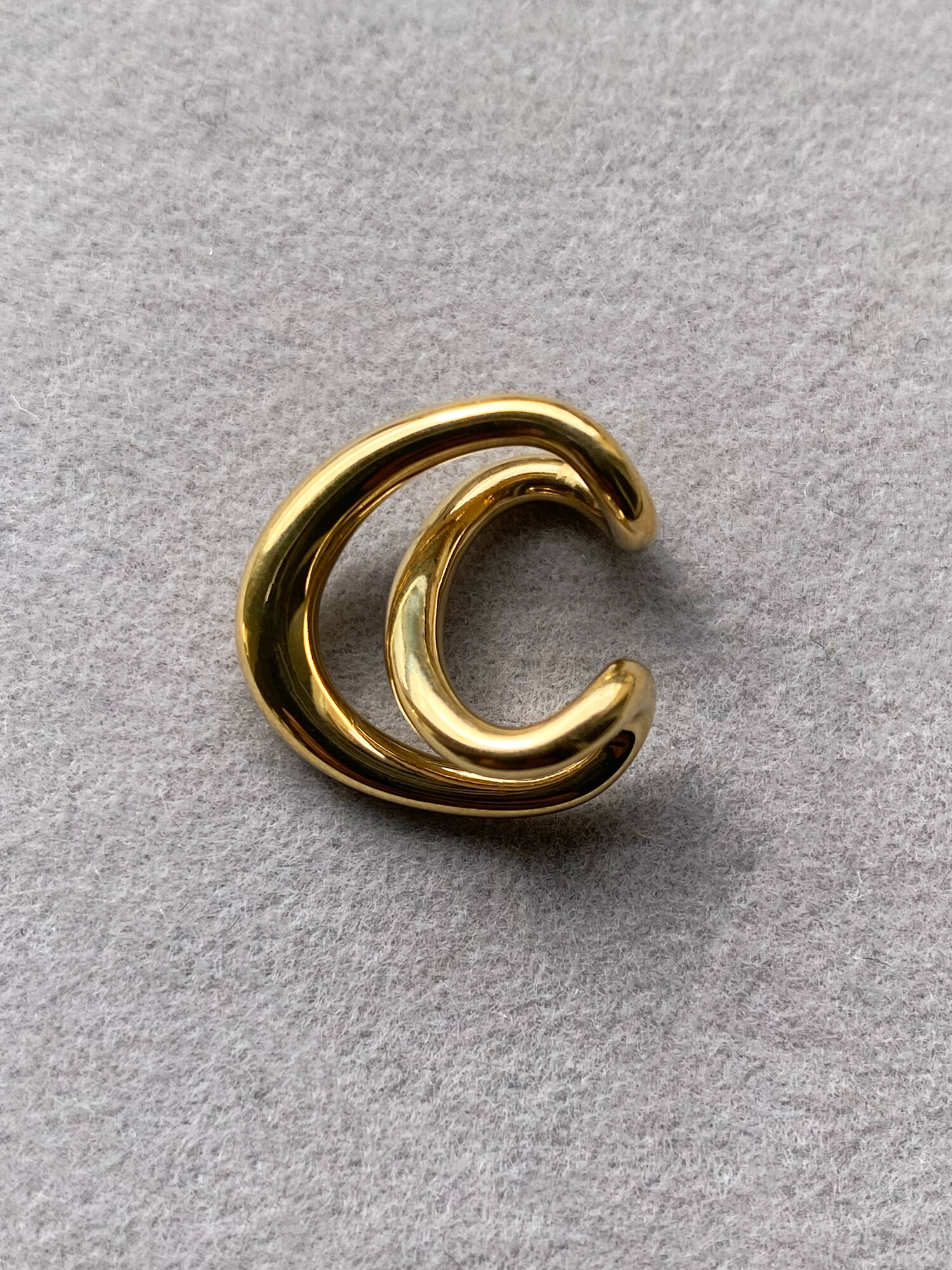
Charlotte Chesnais is explicit about form over scale: “it’s not scale that drives the process — it’s form.” The Initial Cuff ($440–$470) is a non-pierced ear cuff that reads as a single line drawn around the ear. Worth knowing before buying: sculptural fit is anatomy-dependent. The brand’s own FAQ anticipates comfort and placement issues and offers to adjust any piece that can’t be worn properly. That’s the honest version of what it means to design from form rather than average anatomy.
One practical consideration across all of these: bold earrings pull on lobes, and that problem compounds when the piece is vermeil rather than solid gold. The fix is hollow construction, but hollow gold dents and warps more easily than solid. If you’re spending this much, solid or at minimum thick-walled is worth confirming before buying. One other thing specific to the category: a large sculptural piece that’s also heavily ornamented can end up working against itself, because the form and the detail compete for the eye. Pieces that deliver on the form-first promise of organic maximalism tend to be quieter in surface and more committed in shape.
If Your Taste Runs Quiet
The maximalism moment doesn’t invalidate restrained choices. Anyone framing it as a replacement is speaking in seasonal terms that fine jewelry, built to last decades, doesn’t need to follow.
A precisely chosen solitaire pendant or a plain band that fits the rest of what you own does the same thing a well-chosen sculptural cuff does: one clear decision, in the right materials, sitting correctly in the full look. The scale is different. The logic is the same.
What actually matters is whether a piece fits the life it’s being worn into. A precisely chosen band does that as well as a sculptural cuff does. Either can work. The only failure mode is buying something because of the label rather than because it belongs.
Maximalism will eventually give way to whatever label comes next, on a clock that has nothing to do with how long it takes to know what you want in a piece of jewelry. The branding will shift. The language will update. The objects themselves move much more slowly than either.
If you’re buying from real decisions rather than seasonal labels, most of that turnover doesn’t apply. Whether you go bigger or stay tight, the work is the same: pieces that belong together, chosen with an eye that knows why. The cycle runs around that problem. Occasionally it’s useful. Mostly it’s just fast.
Fine Jewelry Started Ungendered And Never Stopped
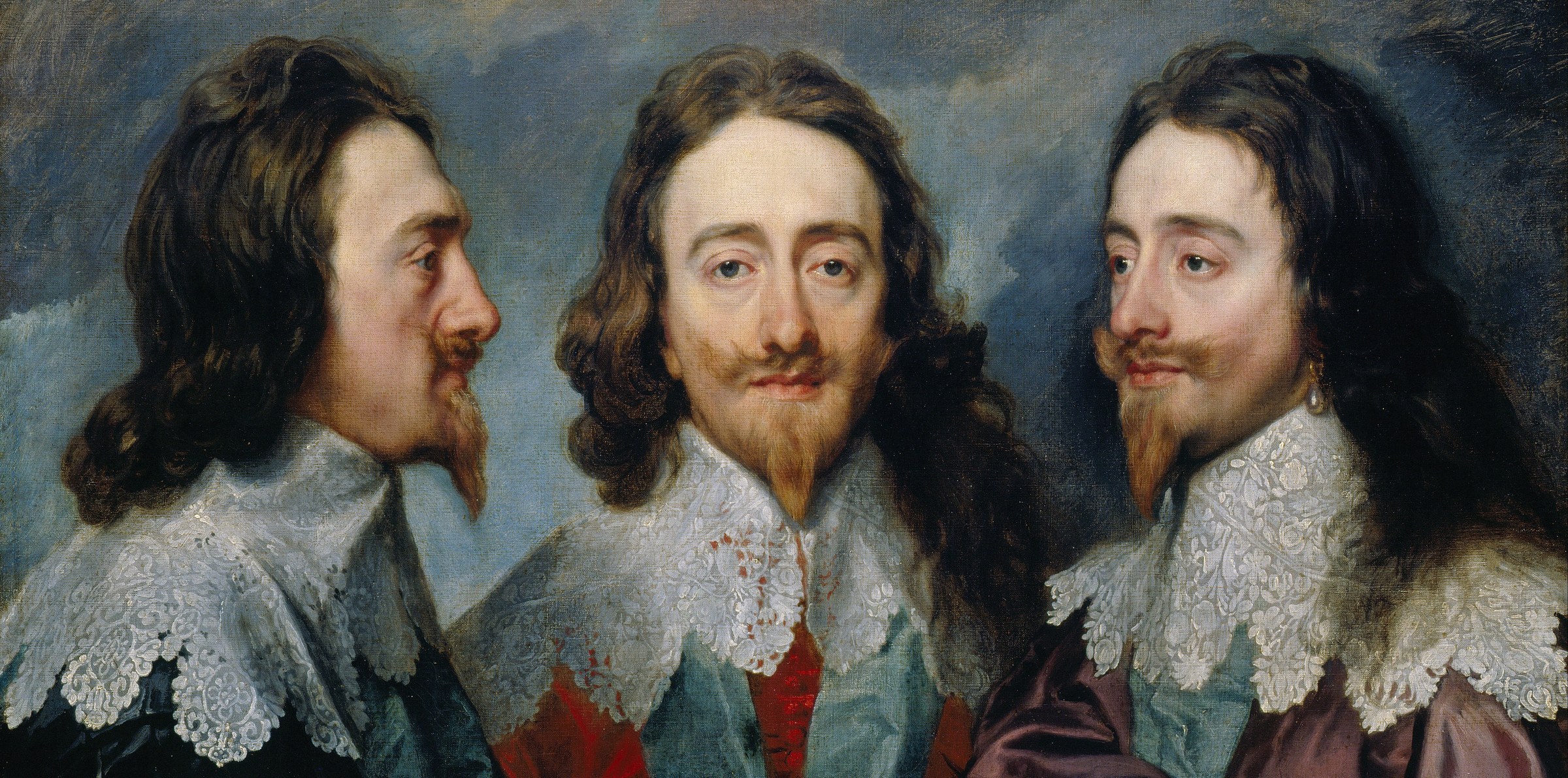
Jewelry was sorted by rank for five thousand years and by gender for about one century. The men's and women's split is commercial noise rather than a property of the adornment: where gendered jewelry came from, and what it should and should not change about what you buy.
The Independent Jewelry Brands That Hold Their Value
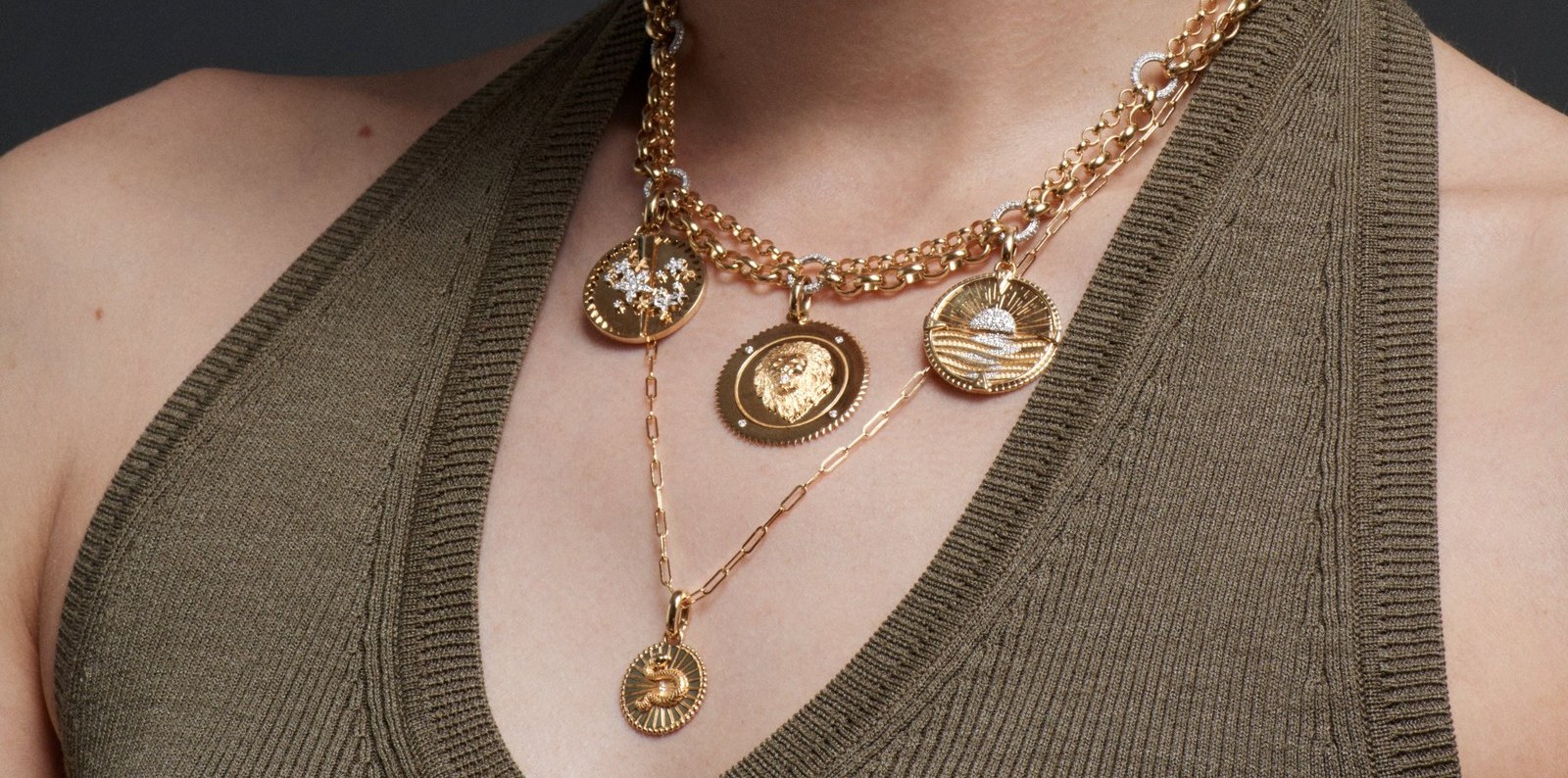
Spending real money with an independent jewelry designer means trusting your own eye instead of a famous name. The used market is where that trust gets tested, because nobody pays most of retail for a secondhand piece as a favor. Seven designers pass that test on their signature pieces, and have for years.
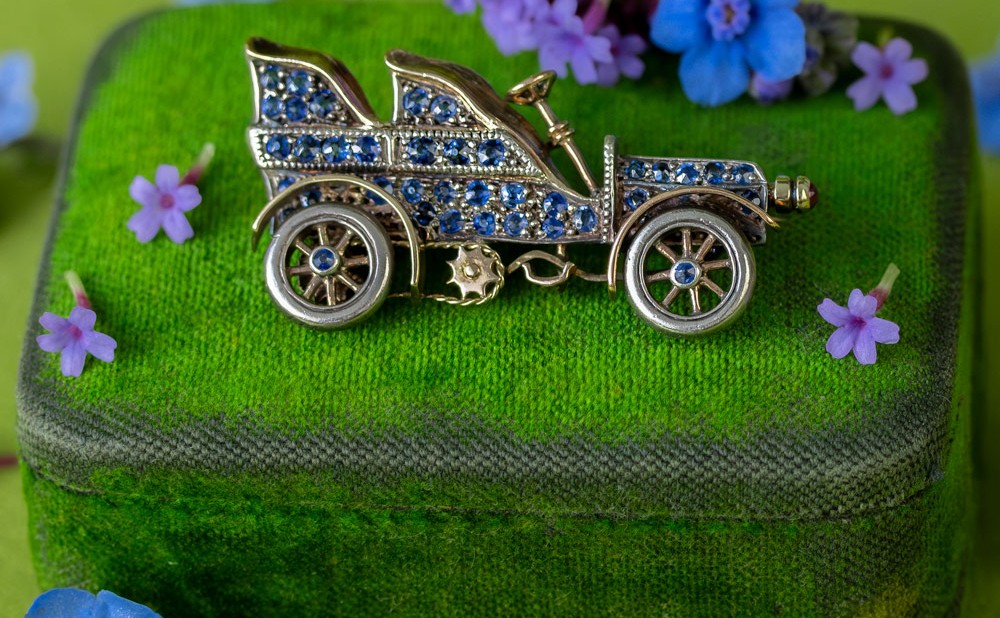
The Fine Jewelry Brooch: Where It Came From, Why It's Back, and Where It's Going
The brooch fastened clothing for thousands of years before it became pure ornament. The history of the clasp turned decorative shows where it's headed as jewelry, plus the COVID origin of its most recent return, what recent fashion shows added, and why brooches worth buying now are waiting for you in estate sales and dusty cases.
The newsletter.
One email when something is worth your attention. New essays, the buying calls behind them, and what we’re watching in the trade. No roundups, no affiliate dumps.