How to Buy a Paraíba Tourmaline: What to Look For at an Accessible Budget
A Paraíba tourmaline's neon glow comes from copper, and the same chemistry sits in stones priced worlds apart. A buyer's guide to what your budget buys, why an affordable one is almost always Mozambican, and the one line on the lab report that separates the real thing from a lookalike.
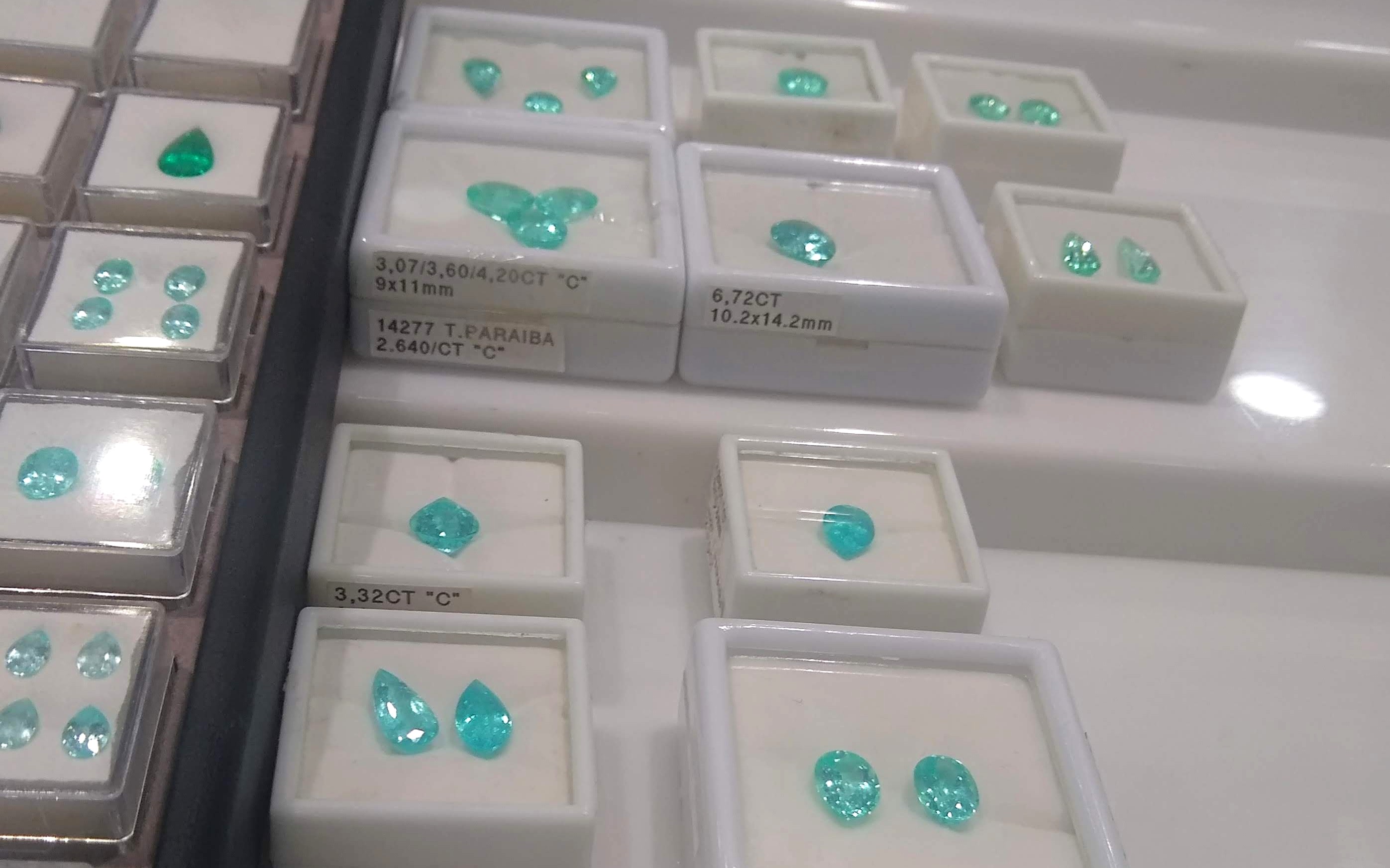
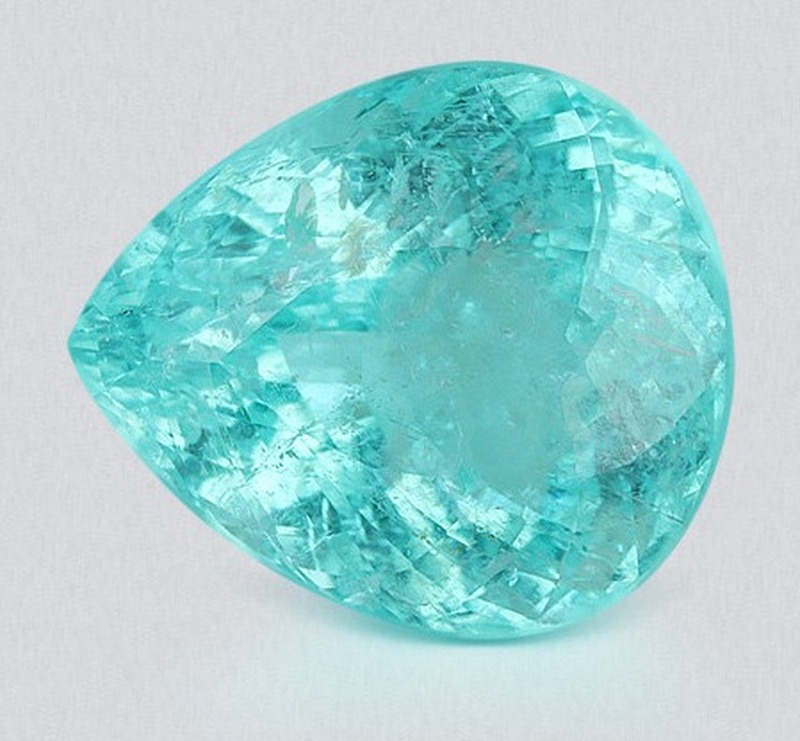
Paraíba tourmaline has been showing up more in jewelry cases lately, a neon blue-green stone that a few years ago was mostly a collector’s secret. What makes it worth wanting is a color you can see through a phone screen. Most colored stones need good light to show what they are, but Paraíba reads neon even in a bad photo: a blue-green that looks lit from within, electric in a way a sapphire or an emerald does not produce no matter how fine it is. That glow is copper, sitting in the crystal alongside manganese, and it is the whole reason this stone moved from a specialist conversation into something you are now considering buying. The catch is that the same copper chemistry exists in stones priced worlds apart. This is a guide to buying one well: what your budget puts on your hand, why the one you can afford comes from Mozambique, and the single line on a lab report, the words “paraiba variety,” that separates a real Paraíba tourmaline from a lookalike wearing the same color.
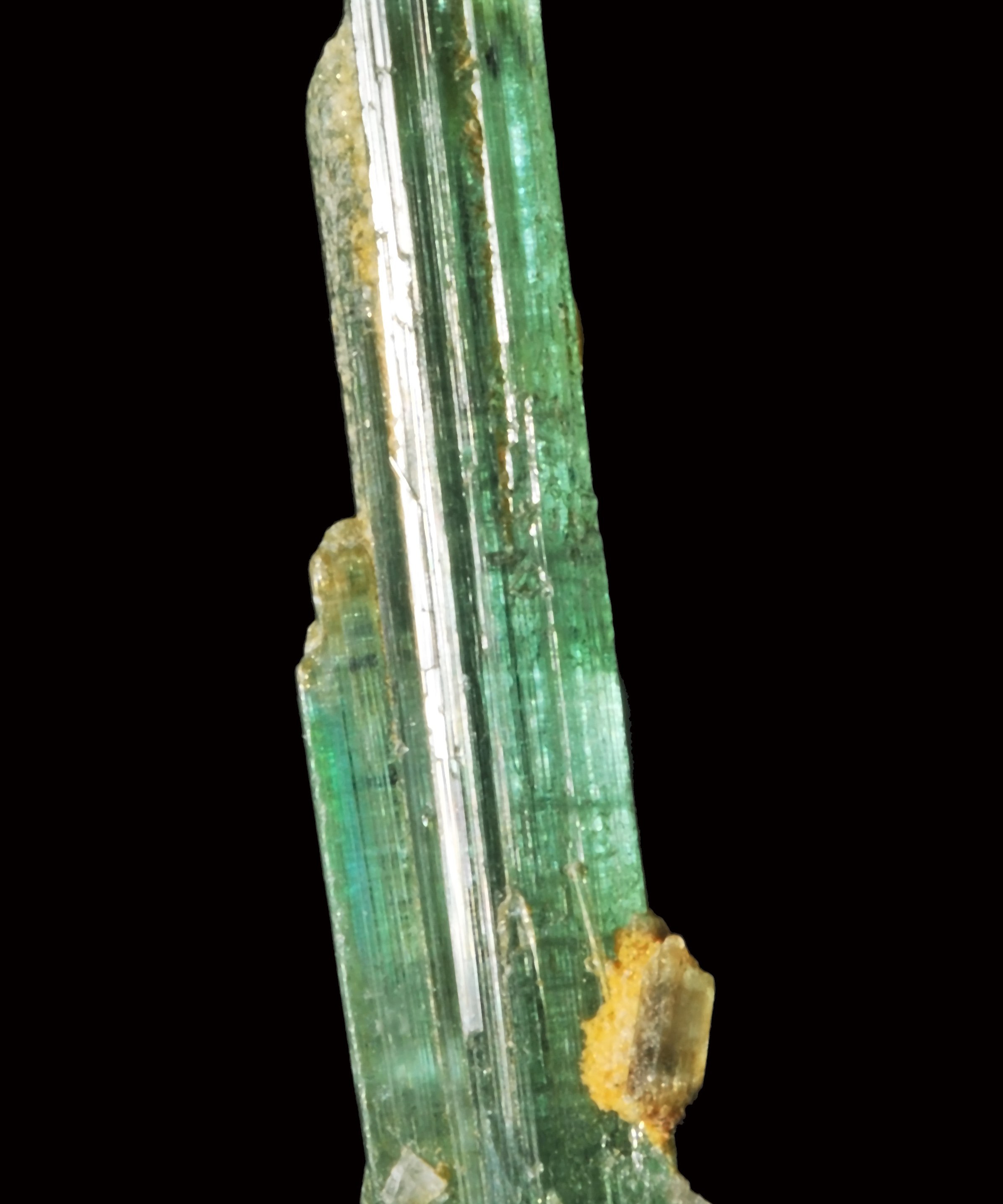
Paraíba is elbaite tourmaline colored by copper and manganese, and that exact recipe has produced confirmed commercial deposits in only three places: the state of Paraíba in Brazil, found in 1989; Nigeria, in 2001; and Mozambique, in 2005. The Gemological Institute of America defines the category as copper-bearing gem tourmaline from those three countries. Everywhere else you get tourmaline, some of it lovely, none of it doing this. The copper is the physical cause of the glow, and it is the thing a buyer is ultimately paying a lab to confirm.
“Paraíba Tourmaline” Names Two Different Stones at Two Different Prices
“Paraíba tourmaline” now points at two supply stories that share a name and a color and almost nothing else, and knowing which one is on the table changes everything about what you should pay.
The Brazilian stone is effectively a museum object. The original Batalha deposit in Paraíba state gave up a limited run of gem-quality material and is now functionally exhausted, so the fine Brazilian stones live in collections and pass through auction rooms. Trade reporting from JewelleryNet in March 2025 put clean high-quality Brazilian material at $30,000 to $100,000 a carat. That is a price ceiling, the number you read about and never meet at a counter.
The Mozambican stone is the one an accessible budget reaches. Those deposits are larger and still producing, and Mozambique has been the working commercial source of Paraíba for roughly the last decade. The same trade reporting describes Mozambican material at something like 20 to 30 percent of comparable Brazilian prices, with clean high-quality stones quoted around $10,000 to $15,000 a carat. The chemistry in both is the same copper doing the same thing in the same crystal. What you pay for, when you pay the Brazilian multiple, is the origin and the collector history attached to a deposit that has closed.
The chemistry in both is the same copper doing the same thing in the same crystal. The Brazilian premium buys the origin and the collector history. The neon itself is identical in the African stone, at a fraction of the price.
The two stones are near-impossible to tell apart by eye, which is what makes the Mozambican one such a find and such a trap at once. Even pinning a Paraíba’s country of origin, the Gemological Institute notes, takes advanced quantitative analysis that lives well beyond what any buyer can judge across a counter. So the Mozambican stone is the real entry point to the exact same neon, the same copper, the same glow that reads through a phone screen. The bad news lives in the same fact: if the lab needs advanced testing to tell a real Paraíba from its neighbors, so do you, and that is exactly the gap a careless or dishonest listing can hide in.
What Your Budget Buys in a Paraíba
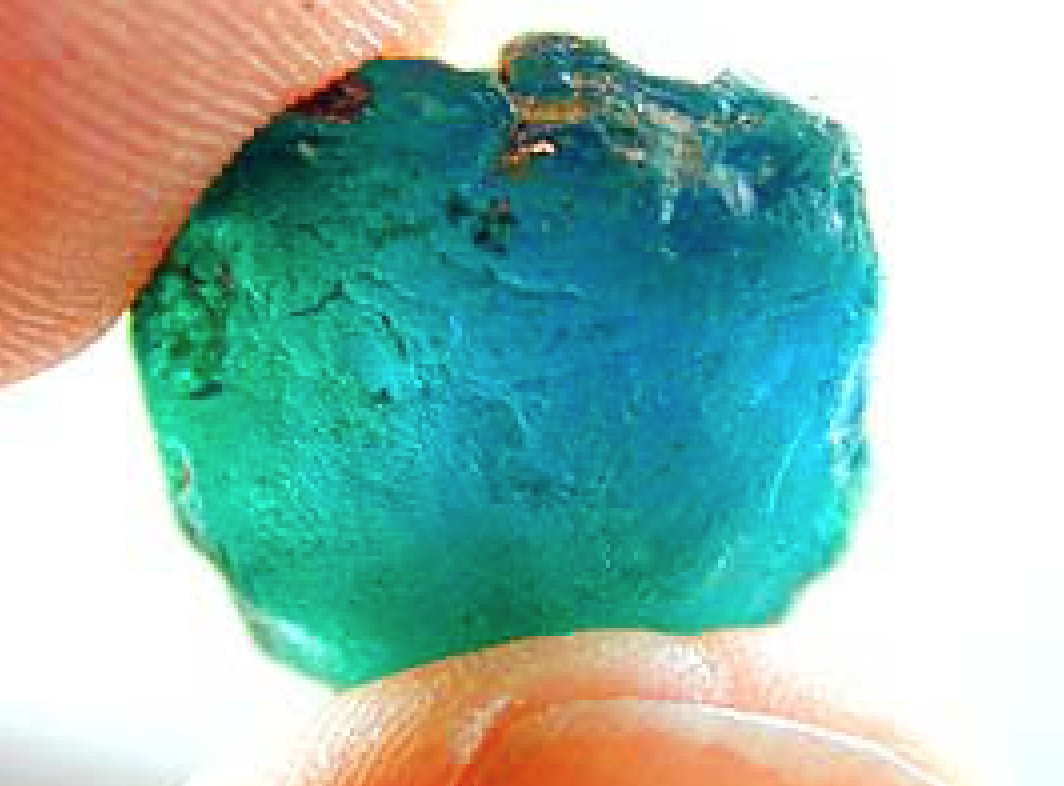
At this tier you are buying a loose Mozambican stone, almost always on its own, well before it becomes a finished piece from a brand you have heard of. That single fact is the one a buyer is least prepared for. The houses that put real Paraíba into finished jewelry, Tiffany and Van Cleef, use it in high jewelry, where “accessible” means well into five figures. The market you can shop is loose stones from specialist dealers, where you buy the stone and commission a setting separately. That is the normal path for serious colored-stone buys, and it is a feature: you choose the exact stone, then build the piece around it.
What the budget gets you in practice is a question of size and saturation. Clean, vivid neon Mozambican material now runs in the neighborhood of $5,000 to $9,000 and up per carat, which means a vivid stone over a carat sits at or above the top of an accessible budget on its own. So the accessible buy is usually one of two things: a smaller stone, roughly under a carat and a half, in full neon, or a larger stone that trades some saturation for size, a more pastel or greener blue that still carries the copper and still glows. Both are real Paraíba. Neither is a consolation prize. The per-carat math is the lever you are pulling: hold the budget and you choose where it goes, into color or into size. Treat any single price you see online as a snapshot, because loose-stone inventory turns over and the good stones sell.
The Certificate Decides It: Look for “Paraiba Variety”
The one line you are looking for is “paraiba variety.” That is the whole instruction. Copper can be present in a stone that still falls short of Paraíba, so the report has to use those precise words. A report that says only “copper-bearing tourmaline” has confirmed the element and stopped short of confirming the stone.
The difference is written into the standard the major labs follow. The Laboratory Manual Harmonisation Committee, which coordinates wording across the big gem labs, publishes Information Sheet #6, currently Version 8 from February 2023. The variety line names “(colour) (paraiba) (tourmaline),” and a separate origin line reads as “Brazil,” “Nigeria,” “Mozambique,” “other,” or an honest “not determined.” That is the form of the document you want: the word paraiba on the variety line, a country on the origin line.
The committee’s wording explicitly excludes a set of copper-bearing stones from being called Paraíba: stones with only traces of copper, stones whose saturation is too low, and colors that fall outside the defined range. A tourmaline can contain copper and still not qualify. So a listing that leans on “Paraíba-color,” “Paraíba-like,” or “Paraíba-type” without a report confirming the variety is describing a color while leaving the stone uncertified. Those can be perfectly nice blue-green tourmalines, lovely things to own. They sit outside the category you came for, and the document is the only way to know it.
The two reports most buyers will meet are the Gemological Institute and the American Gemological Laboratories, with specialist labs (SSEF, Gübelin, GRS) at the high end. AGL’s style is origin-forward, so its reports read like “Paraiba variety, Mozambique.” The Gemological Institute now puts country of origin on its Paraíba reports, alongside ruby, sapphire, and emerald, which means the origin line that prices the whole supply story now reaches an ordinary buyer. That shift is the quiet thing that makes a certified Mozambican stone a real, knowable object instead of a leap of faith, and it is the engine under the case for colored gemstones as a store of value if the money side is what you are weighing.
Heat Is Standard and Disclosed; Clarity Filling Is the Dealbreaker
Treatment is the other thing the report tells you. Heat is standard and accepted in Paraíba, the way it is across most of the colored-stone trade, and it appears on the report as a disclosed treatment. A note that a stone has been heated does not reduce its standing as a real Paraíba.
What you are screening for is clarity filling. Rapaport reported in December 2024 that resin or oil filling, which hides fractures and improves the look of a flawed stone, has become a concern in some Paraíba trading channels. A filled stone is a compromised stone sold as a clean one, and a filling that can leach or fail over time is a real durability problem in a piece you mean to wear. This is why the report is non-negotiable: a stone whose treatment you cannot verify is a stone whose condition you are guessing at.
One worry you can set down: there is no commercial synthetic Paraíba flooding the accessible market, the same scarcity driving the renewed appetite for warm and fancy-color diamonds. What surfaces in labs is imitation, flagged as imitation. The real risk to a buyer is a non-copper blue-green tourmaline, or a copper-trace stone that misses the standard, marketed as Paraíba, which loops back to the same defense: the variety line on the report.
Where to Buy, and the Order of Operations
The accessible market lives with specialist loose-stone dealers and marketplaces. 1stDibs hosts a deep run of loose Mozambican Paraíba with lab reports attached, and specialist dealers such as Gemstock and Paraiba International stock the stones at the loose end. Treat these as a map of the territory more than a tip on any one stone, because the specific listing churns even when the dealer holds steady.
The discipline that serves a Paraíba buyer (insist on the report, read the variety and origin lines, treat the color as the start of the question and the document as the answer) is the same discipline that serves anyone buying teal, peach, or other colored sapphires worth looking at. The stone is different, the standard of proof is not.
So the order of operations comes down to four moves: find the color you love, confirm it with a report that says “paraiba variety” and names an origin, check that any treatment is disclosed heat and not filling, and only then commission the setting. Certify first, set second. The stone you can afford is the same copper, the same neon, the same glow that reads through a phone screen from across a room.
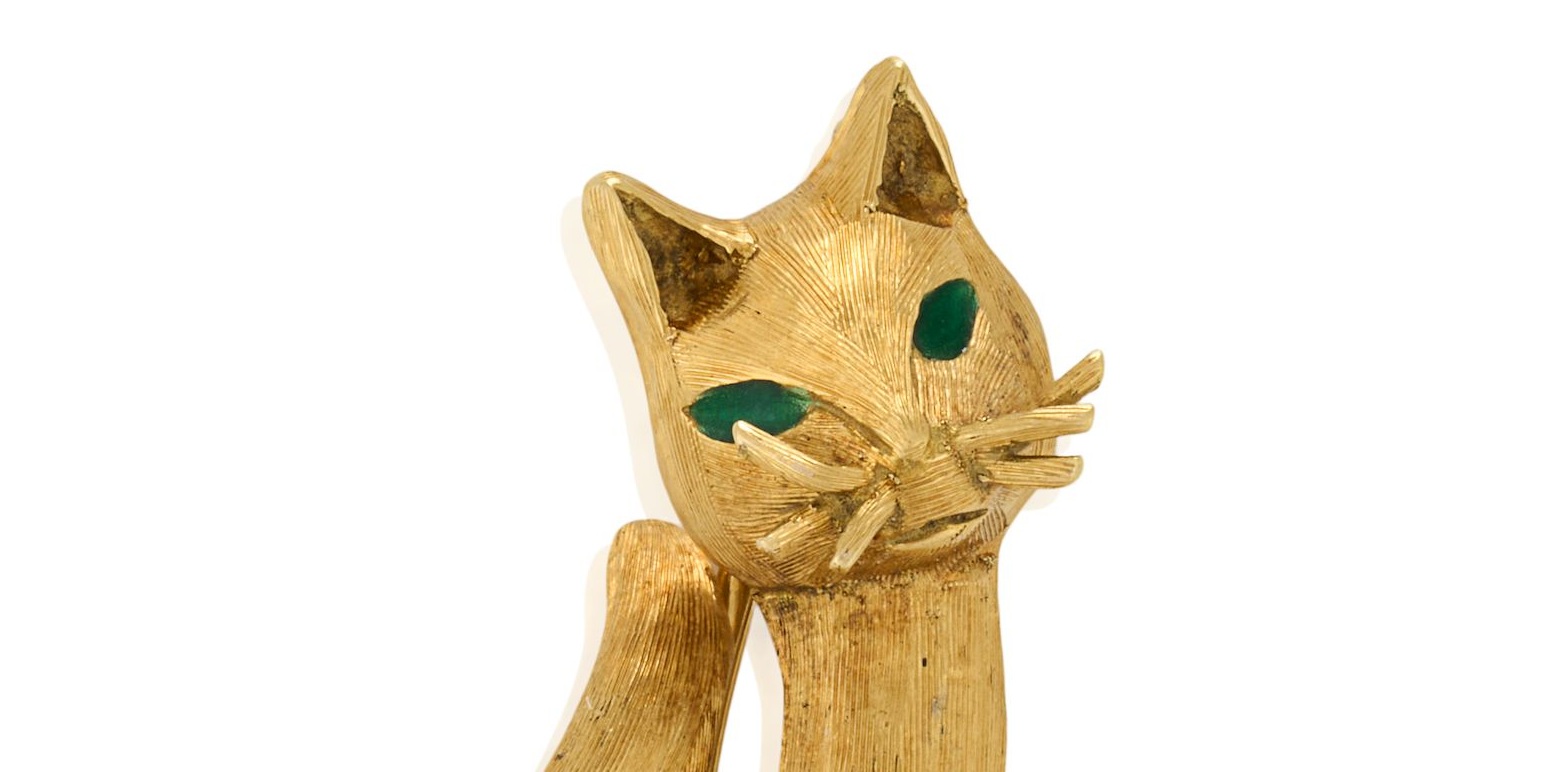
Sandy Lerner Is Rehoming Her Cats: A Tiffany Cat Brooch and Sixty-Five More
The Cisco co-founder spent four decades collecting cats in gold, enamel, amethyst and bronze. On 30 September 2026 Bonhams sells 66 of them in New York, from a $700 carved cat to a $120,000 bronze by the sculptor Rembrandt Bugatti. She is keeping the live ones.
Why Are Jewelry Prices Still Going Up?
Jewelry costs about 15% more than it did a year ago, and it is the gold accounting for most of it. The answer coming back from the jewelry trade and brands is less gold in the piece, which changes what you have to ask for at the counter.
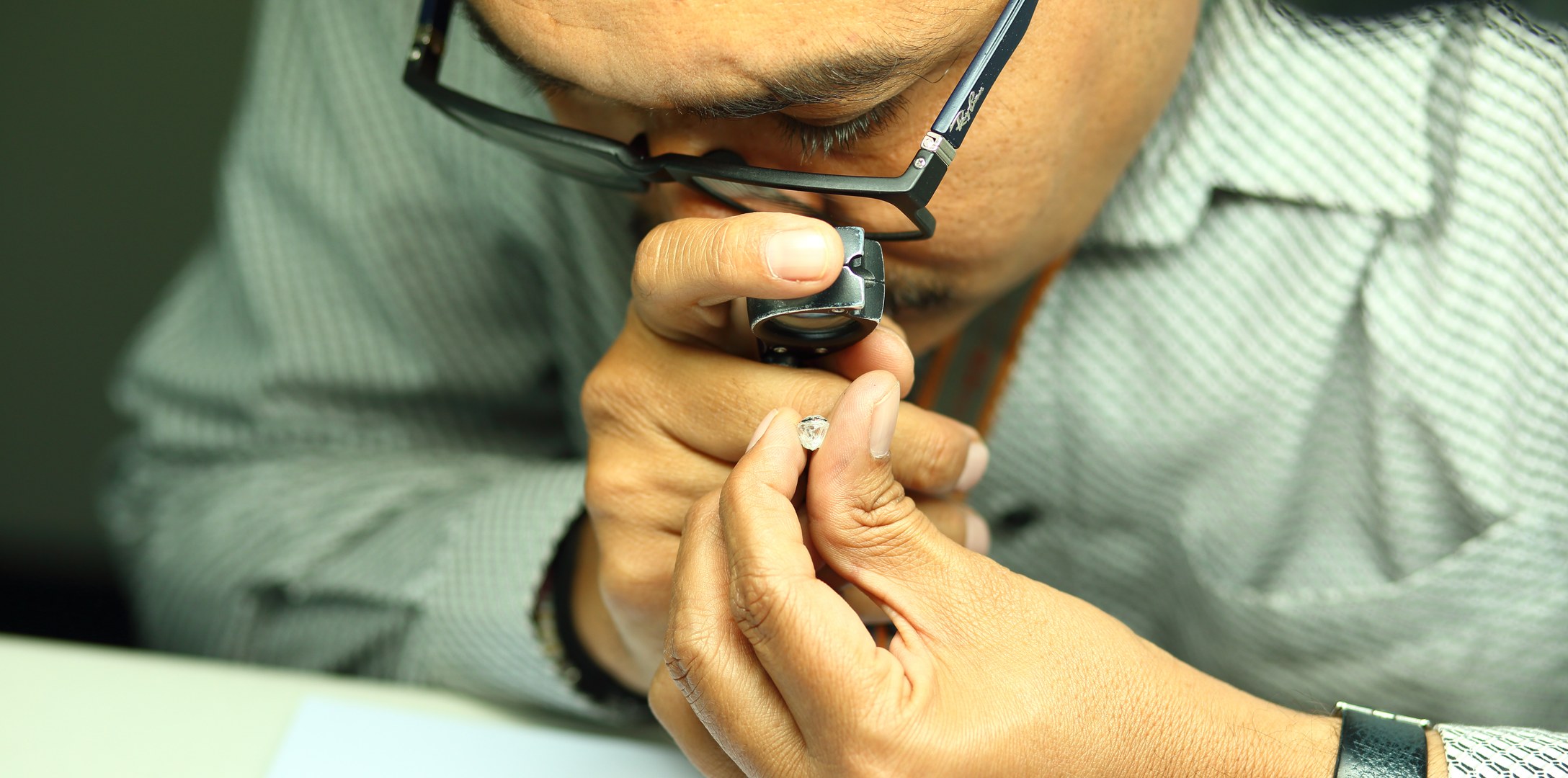
Natural Diamond Prices Are Going Up Again, at Least for Now
Lab-grown stones pushed mined diamond prices down for years. The diamond trade's price index rose again in August, led by small stones. What that changes for you.
The newsletter.
One email when something is worth your attention. New essays, the buying calls behind them, and what we’re watching in the trade. No roundups, no affiliate dumps.