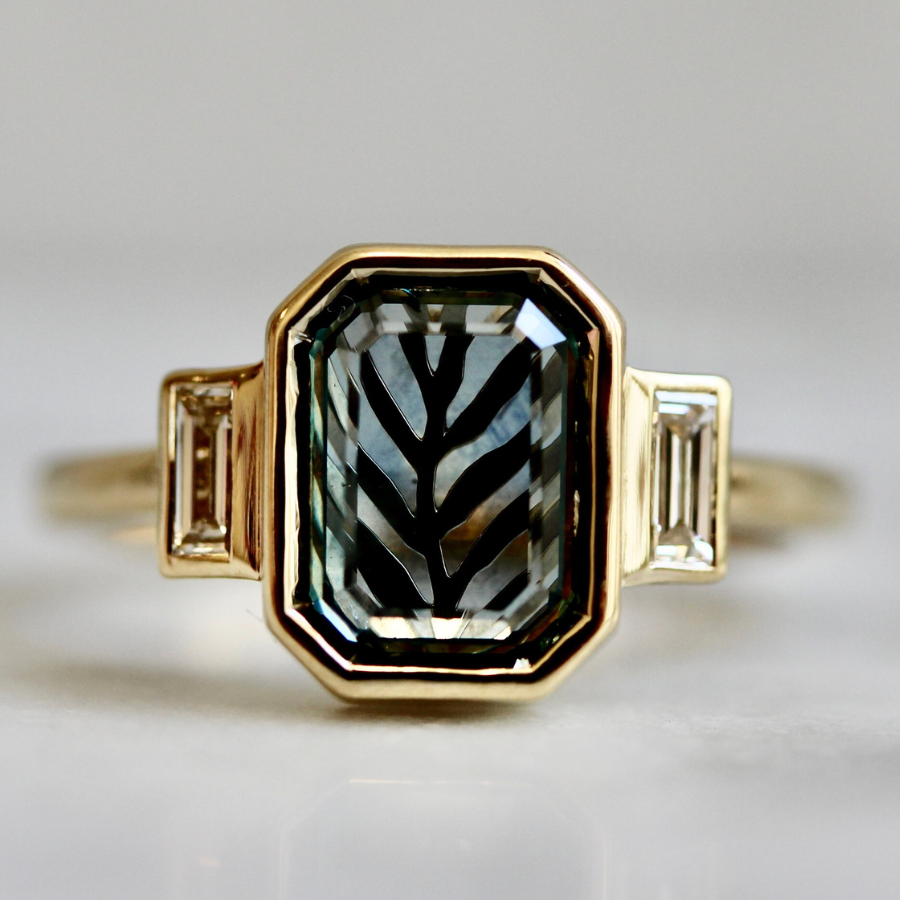
A Paraíba Tourmaline Sold for $4.2 Million. The Money Moving Into Colored Gemstones Is the Real Story.
Lab-grown diamonds erased the scarcity that made a diamond a store of value, and the money is rotating into natural colored gemstones: Paraíba tourmaline, ruby, sapphire, emerald. The auction case is real. What it means at an accessible budget is narrower, and it comes down to documentation.
A 13.54-carat Paraíba tourmaline, the neon, copper-bearing variety, sold at Christie’s in December 2025 for $4,223,000, against a pre-sale estimate of $400,000 to $600,000. That is a world auction record for the stone, more than ten times the low estimate, and the matching earrings went for about $1.3 million against a $180,000 expectation. The colored gemstones drawing that kind of money (Paraíba, ruby, sapphire, the stones with real geographic scarcity) are the ones now being treated as an investment, and that rotation is the story worth following. CNBC reported in March 2026 that buyers who had parked capital in handbags and other soft luxury (the trade’s name for leather goods) were moving into hard luxury (jewelry and watches), colored gemstones specifically, as the resale floor under those handbags softened. The general case for jewelry as an investment is mostly no, and whether fine jewelry is a good investment is its own question worth walking through. This is the one corner of it that holds, why it holds, and what a buyer without a seven-figure budget can do about it.
The Christie’s lot is not a fluke of one room on one day. CNBC put a number on the pattern: investment-grade colored stones have been clearing at two to three times their high estimates at auction, which the houses themselves call unusual, because they normally price a lot close to where it lands. When a category routinely beats the experts who set the numbers, something is repricing. The backdrop is the broader flight into tangible assets that also ran gold to a record above $5,500 an ounce in January 2026 before it eased back to roughly $4,600 by spring; gold spiked and cooled, and a slice of that nervous capital kept looking for somewhere hard to sit.
The Diamond Lost the One Thing That Made It a Store of Value
For decades a diamond was the exception, the purchase that was supposed to hold. That case ran entirely on scarcity, and the scarcity turned out to be removable. Chemical vapor deposition got good, and a lab can now grow a stone optically and chemically identical to a mined one, certifiable as a diamond, in volume, for less every year. The wholesale price of a one-carat lab-grown stone has fallen roughly three-quarters since 2020, and the decline has finally bottomed out: the floor is low and it is staying low. Lab-grown now sits in most American engagement rings, between 48% by BriteCo’s count and 61% by The Knot’s. It is now the default engagement stone in America.
A lab-grown diamond is a beautiful object and, for most people, the sensible buy. It is just no longer a scarce one, and scarcity was the whole investment premise. The collapse and what that collapse does to resale are covered in full elsewhere. The part that matters here is narrower: the store-of-value role a diamond used to play came open, and natural colored gemstones are the thing moving into it.
The Scarcity Is in the Ground, and a Reactor Can’t Reach It
Lab growth optimizes for the four Cs: clarity, the absence of color, a precise cut, carat weight. It is very good at making a near-colorless stone with few inclusions. It is not set up to reproduce a Burmese ruby’s particular red, because that color is a function of chromium in a specific geological formation in Myanmar’s Mogok Valley, and the formation is not an input you can load into a reactor. You can grow a ruby. You cannot grow a Mogok ruby with a Mogok origin.
The same geology runs across the top of the colored-stone market. Kashmir sapphires came from a deposit near Sumjam, India, largely worked out by the 1930s; the fine ones circulate at auction, and no new ones come out of the ground. Colombian emeralds from the Muzo and Coscuez mines carry an internal fingerprint that labs read to confirm where they formed. Paraíba tourmaline was first found in one mine in Brazil in 1989 and mostly depleted within fifteen years. Copper-bearing tourmaline has since turned up in Nigeria and Mozambique, and the African material is striking in its own right, but the Brazilian stones command a steep multiple because the chemistry differs, the market knows it, and the labs can document it.
Documentation is the mechanism that turns all of this into money, and it changed this year. The reason origin can hold a premium is that someone independent can certify it. As of January 1, 2026, the GIA, the lab most buyers have heard of, now issues identification-and-origin reports on ruby, sapphire, emerald, and Paraíba tourmaline, putting country of origin on the report most people already trust, for roughly $90 to $120 a stone. AGL and GRS, the specialist colored-stone labs, keep their standing in the trade, but origin documentation is no longer something only a specialist can give you. The thing that lets a stone’s geography turn into resale value, a piece of paper from a lab the next buyer respects, is now within reach.
The Auction Records Are Not Your Budget
The appreciation lives almost entirely above an accessible budget, and in mid-2026 the gap is still widening. A certified Burma-origin, no-heat ruby of serious quality starts well north of $10,000 a carat. The Christie’s Paraíba is a stone a normal buyer reads about in a headline and never meets at the counter. The stones doing the spectacular repricing are not the stones in a $3,000 budget, and a piece that implied otherwise would be selling something.
There is also no clean public dataset showing that certified natural colored stones at an accessible price have outperformed on resale over a span of years. The auction records are real and well documented. Broad resale outperformance at the consumer tier is not the same claim, and the evidence for it is thin. What the evidence does support is structural: the scarcity is physical, the documentation that prices it now reaches further down the market, and the money at the top is moving in one clear direction. That is a reason to buy a certified natural stone over a lab-grown one if you care about holding value, the way a signed piece that holds its value without being an investment is a reason to buy the maison over the mall. It is not a promise that a $2,500 sapphire will be worth $4,000 in a decade. Anyone making that promise has stopped describing the market and started working you.
A natural stone's origin is only worth something once an independent lab can put it on paper, and this year that paper finally came within reach of an ordinary buyer.
What an Accessible Budget Buys
The tier is not locked out of this. It works on different terms, and the terms are mostly about paperwork.
Natural sapphires with certification sit within reach, and the colored-sapphire buying guide covers which colors are priced where, how heat treatment works, why Rock Creek in Montana carries a specific provenance story while a generic “Montana sapphire” tag does not. (Yogo Gulch, the romantic Montana name, has moved into collector territory, with in-pitch stones running into the tens of thousands; the in-budget Montana path runs through Rock Creek and the other deposits, which the sapphire buying guide maps in full.) The investment footnote to that buying advice is simple: a natural stone with origin and treatment documented is a different object on the secondary market than the same-looking stone with nothing on paper, and the buyer who asks for the report is the one who ends up with something a future buyer can price.
Colombian emeralds with AGL or GRS documentation reach the lower end of an accessible budget in smaller, included stones. A pretty emerald from a commercial case with no origin paper is a fine thing to wear and a poor thing to expect anything back from; only the emerald with origin paper is participating in the Colombian-origin story.
Paraíba at this budget mostly means a smaller stone or Mozambican rather than Brazilian material. These are real copper-bearing tourmalines with the neon glow, and the Mozambican stones are lovely, but they are not the auction-room category, and a seller who blurs that line is doing you no favors.
Lab-grown colored stones exist too, and run a fraction of their mined equivalents. Chatham and Tairus grow emeralds, sapphires, and rubies that are pleasant to wear and chemically identical to natural. The neon in a lab-grown Paraíba is real neon. It just didn’t come from Brazil, and the ceiling on its value is set by production cost, the same ceiling that capped the lab-grown diamond. It is a fine stone to enjoy. As a store of value, it is exactly what the money is rotating away from.
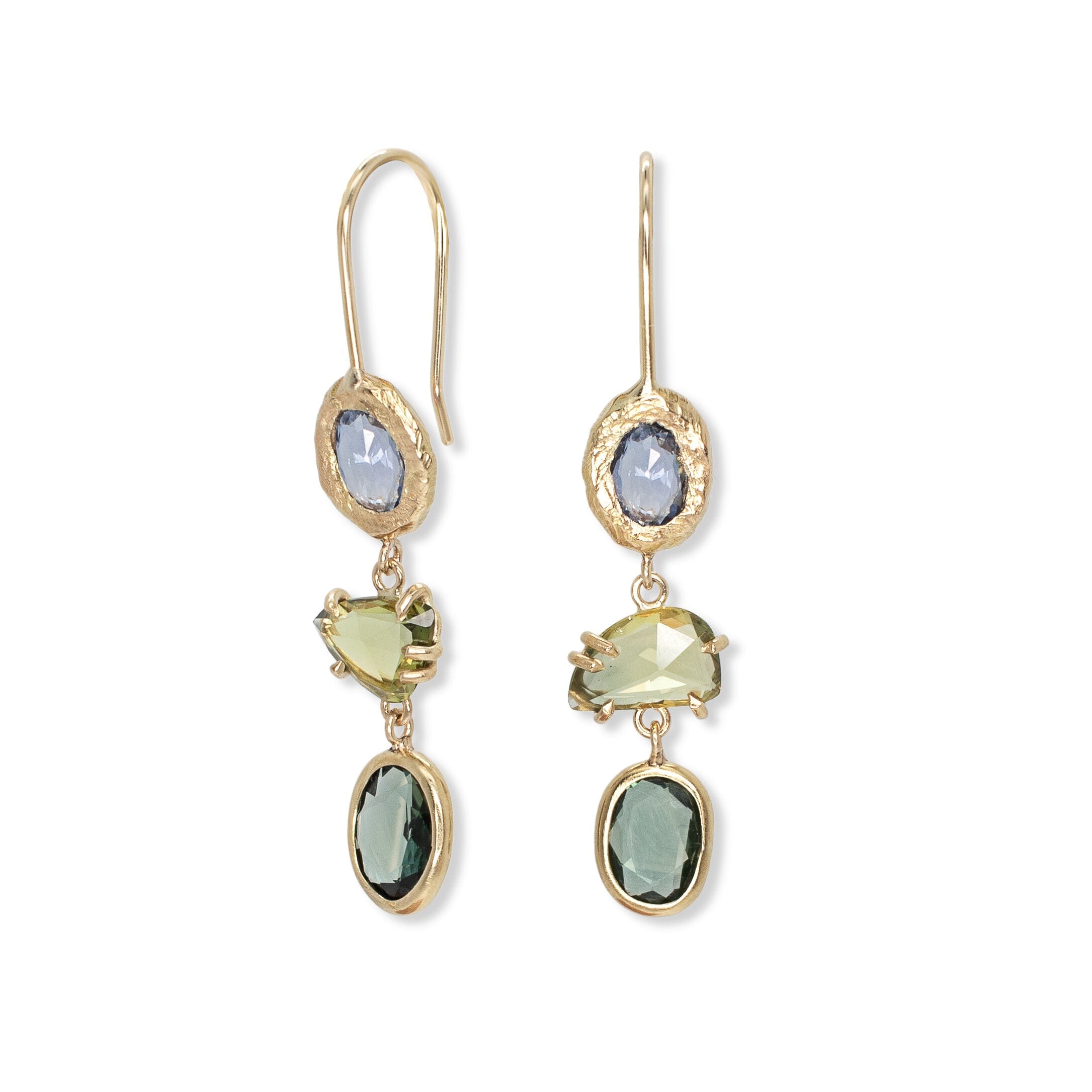
There is a taste shift running underneath all of this that happens to point the same way as the money. The appetite for characterful stones has been building since 2024. It shows up in warm-toned diamonds, parti sapphires, and color generally, and when a market starts valuing a stone the four Cs framework marked down, that stone gets repriced upward. A teal sapphire passed over for not being a clean Ceylon blue is now wanted precisely for the color, and the aesthetic direction and the scarcity argument are leaning on each other.
The One Question
Before any stone in this category, ask what is documented.
Not just that it is natural, which should be the floor. What lab certified it. Whether the report names origin. Whether heat treatment, standard in sapphire and common in ruby and emerald, is disclosed. A report that names species, color, and treatment is good; one that also names origin is what lets the next buyer understand what they are holding. If the seller can’t produce a report, the stone is an aesthetic purchase, which is a perfectly good reason to buy a stone, as long as it is the reason you meant.
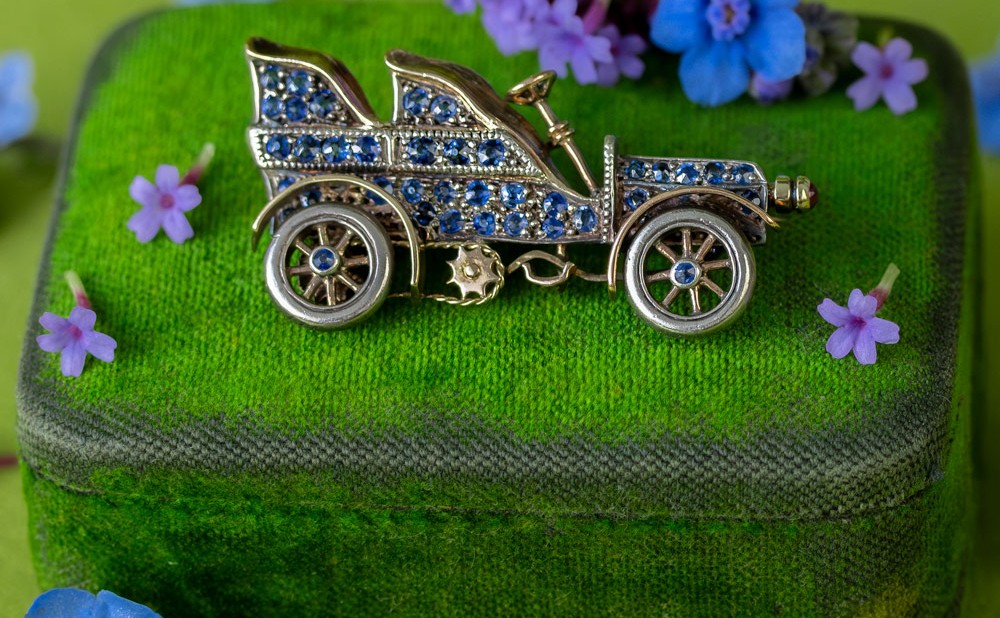
The Fine Jewelry Brooch: Where It Came From, Why It's Back, and Where It's Going
The brooch fastened clothing for thousands of years before it became ornament. Its history, the video-call origin of its return, what the fall shows added, and why the brooches worth buying now mostly sit in estate cases.
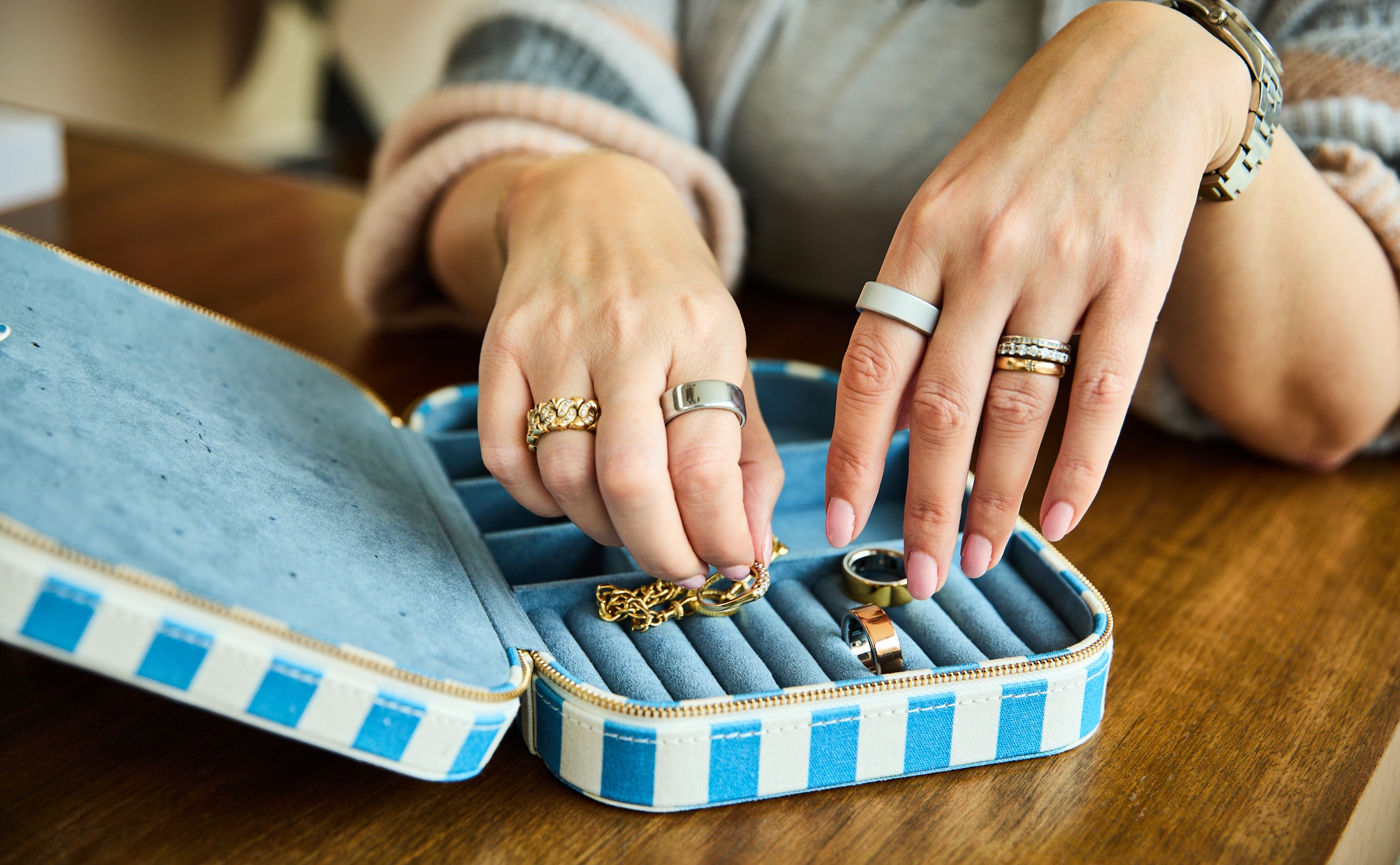
Smart Rings That Look Like Jewelry: Oura Ring 5 vs Ultrahuman Rare
The Oura Ring 5 is small enough to pass for a plain gold band, but its gold is a coating. Ultrahuman's Rare is solid 18k. Neither is quite fine jewelry, and whether either is worth it comes down to what you will trade.
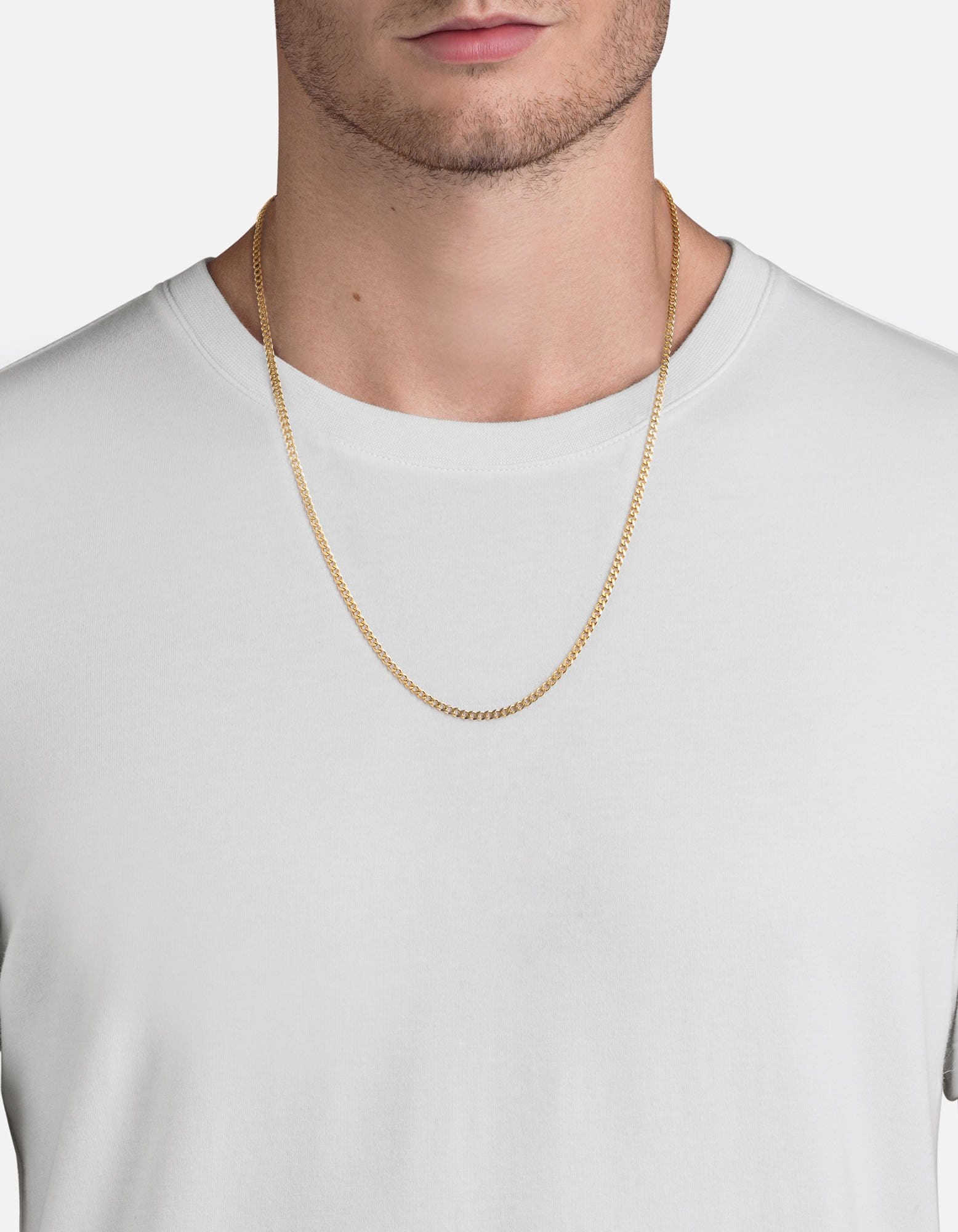
The Men's Fine Jewelry Guide: What's Worth Buying in Solid Gold
A map of men's fine jewelry in solid gold, from the gold chain to the rings past the signet: why solid gold over coated steel, what each piece costs, and who makes the version worth buying.
The newsletter.
One email when something is worth your attention. New essays, the buying calls behind them, and what we’re watching in the trade. No roundups, no affiliate dumps.