The Secondhand Fine Jewelry Playbook
A used Van Cleef pendant is trading at 93% of new retail, and sometimes more. Here's what that anomaly means, which platforms earn the trust they claim, and how to buy a signed piece that holds its value.
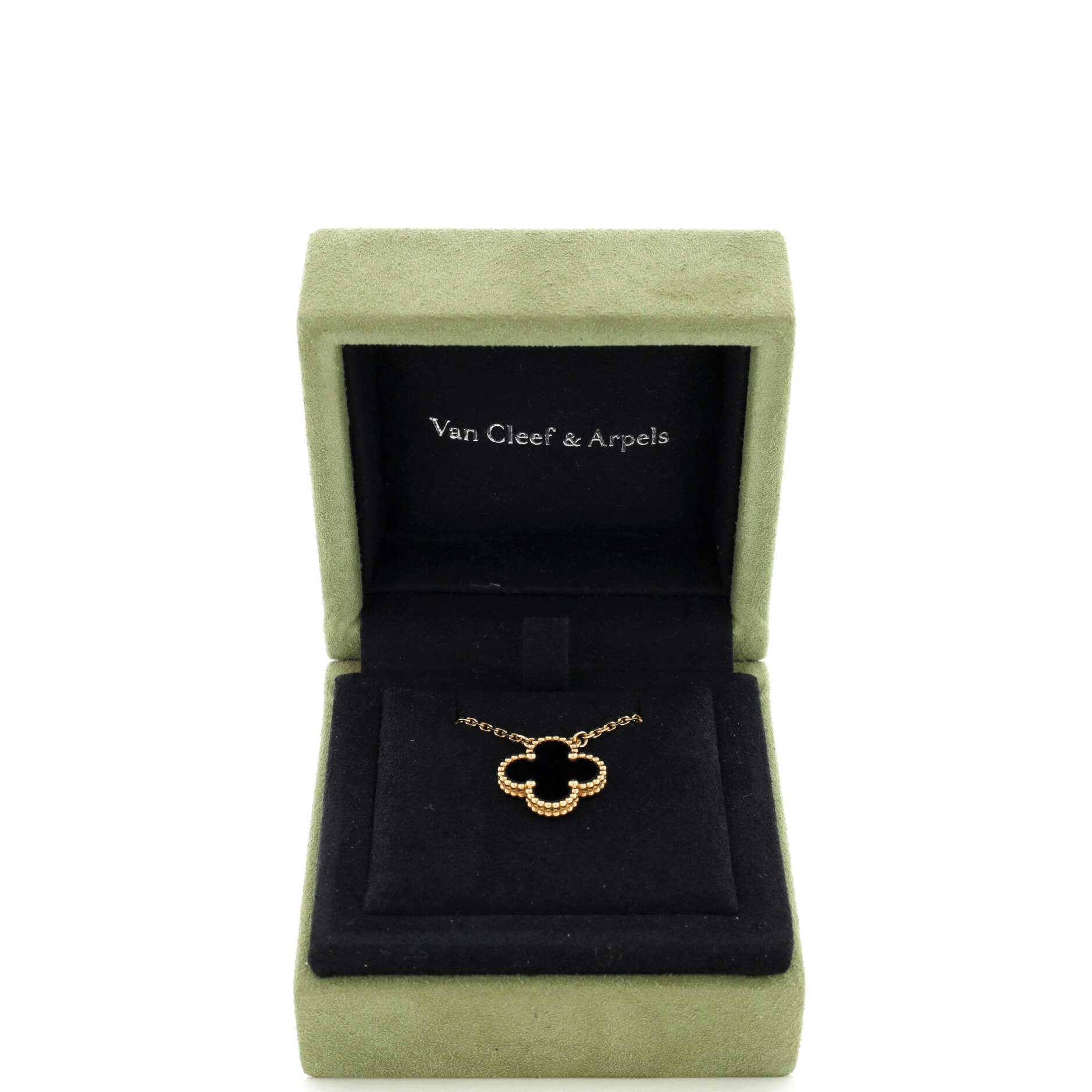
At the time this article was written, there was a Van Cleef & Arpels Vintage Alhambra pendant on Rebag listed for $2,750. Onyx, 18K yellow gold, the classic single-motif on a chain. Van Cleef’s own price for the same piece, new: $2,970. A $220 gap. Only seven percent off retail.
That gap isn’t the story. On a used pendant, $220 evaporates fast once you factor in platform risk and the fact that the piece has been worn. If the pitch here were only “save 7 percent,” I’d be telling you to take the $220 against a new piece all day long and move on.
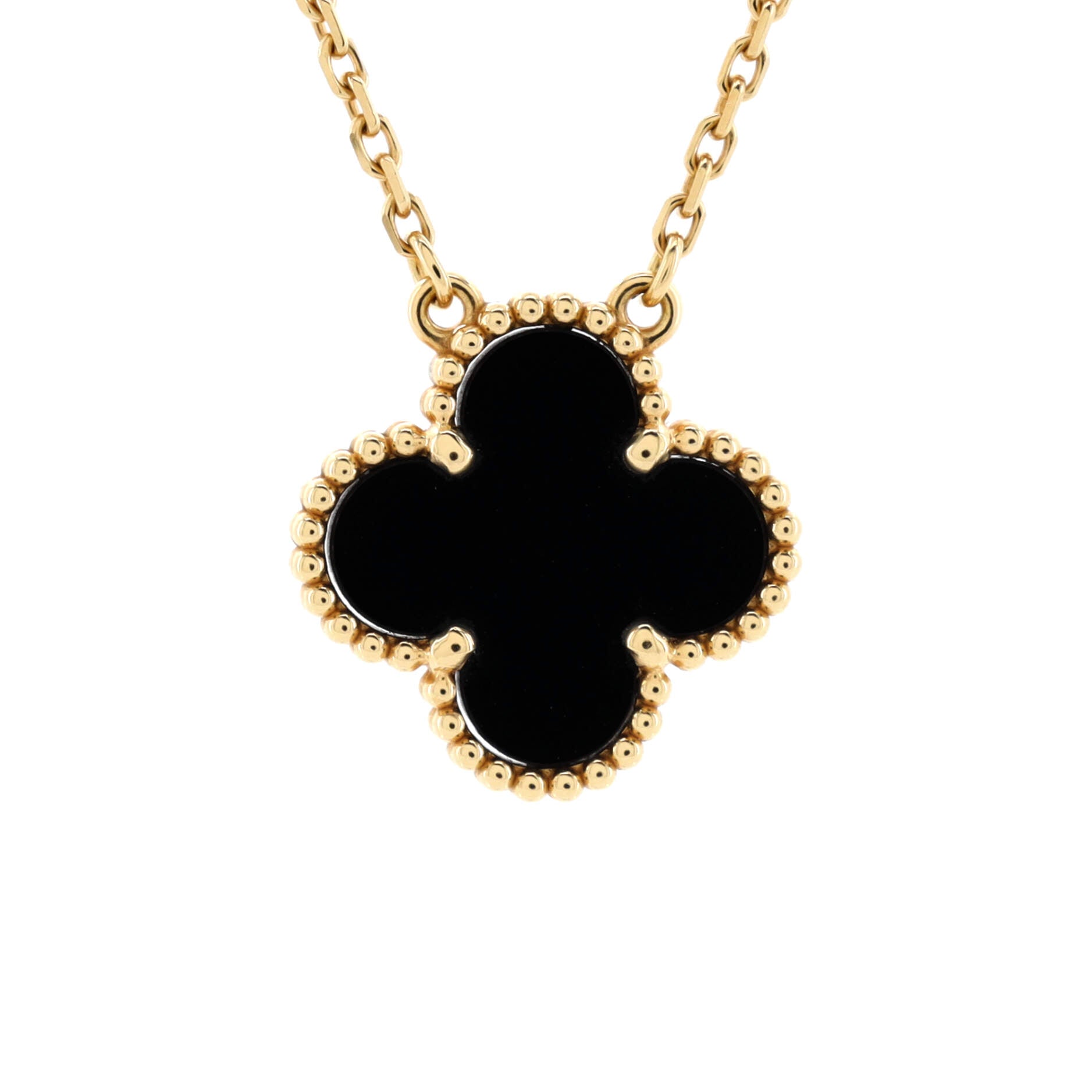
The story is that a used Vintage Alhambra is trading at over 90 percent of new retail. In almost every other luxury category, a used object worth 93 percent of retail does not exist. Designer handbags lose 30 to 60 percent the moment you walk out the door. Cars lose 20 in a year even if you don’t drive it. Even watches, the most commonly cited hard luxury comparison, usually take a real hit on pieces outside a narrow band of rare vintage pieces. Clothes, even more. A used pendant at 93 percent of new is a structural anomaly. And according to Rebag’s own Clair Report, the story gets stranger: some Alhambra pieces are reselling at 120+ percent of their original retail prices. Buyers in 2024 are paying more for a used 2018 pendant than the first owner paid for it new.
What that stability means, practically: if you buy a signed, iconic piece from a major house, the money doesn’t really leave. It sits in the object. When you’re ready for something else, most of it comes back. You can upgrade, trade sideways, shift into a different design or collection, and you’re not starting from zero each time. You’re redeploying a position that’s been earning its keep on your wrist.
For the longer version of that argument, which pieces qualify and which don’t, see Is Fine Jewelry a Good Investment?. This piece is the applied case: if you’ve decided a signed house piece is the move, secondhand is usually the smarter entry point.
One asterisk, before we go further. Recirculation isn’t free. Rebag’s commission on jewelry runs 15 to 25 percent on most pieces. The RealReal’s take can land higher once promotional discounts get involved. So if you’re planning to cycle pieces, the 93 percent resale figure is a ceiling, not a payout. You’re giving the platform a cut every time the piece moves. That’s the real cost of the strategy, and it shapes what’s worth buying: the recirculation math only works on pieces iconic enough that the platform’s cut still leaves you whole, or close to it. Which, as it turns out, is a short list.
Why the Math Changed
Gold averaged $2,386 per ounce in 2024. In 2025, it averaged $3,432. As of early April 2026, it’s sitting around $4,675. Near-doubling in under two years.
For anyone buying solid gold jewelry, this rewrites everything. Take a chunky 18K bracelet weighing 25 grams. At 18K purity (75% gold), the melt value alone is now about $2,800. Find that bracelet secondhand for $3,500 to $4,000 and you’re paying a few hundred dollars of effective premium for the design, the brand, the craftsmanship. Everything above the metal floor. At retail, the same bracelet might run $5,500 to $7,000, and a big chunk of that retail markup is margin, not material.
The RealReal reported fine jewelry as its highest-growth category in 2024. Sales of pieces over $5,000 from Van Cleef, Tiffany, and Cartier were up 22 percent year over year. Average selling prices climbed another 17 percent in 2025. Bain estimates that hard luxury (watches and jewelry) accounts for roughly 83 percent of the entire secondhand luxury market, which hit 50 billion euros last year.
The person buying fine jewelry at these prices isn’t bargain hunting. She can do multiplication.

The Platform Problem
Most “how to buy secondhand” articles give you a list of five platforms and tell you to shop around. That advice is worth approximately nothing, because these platforms have fundamentally different business models and the differences will cost you real money if you pick wrong.
The RealReal is consignment. They take your piece, photograph it, list it, sell it. Their authentication includes XRF alloy testing, which means they can verify metal composition, not just squint at a hallmark. For a buyer, that’s the strongest in-house science in this group. For a seller, the economics deserve a closer read. Their commission structure is tiered: on a piece that sells for $750 or more, the consignor keeps 70 percent. Fine. Except The RealReal’s terms allow them to apply an immediate 20 percent discount to your listing price without asking. That sitewide sale? It might be running on your consignment, and your payout just dropped with it.
For a buyer, those promotions can mean a real deal. Just know where the discount came from.
Rebag also takes possession and authenticates, but positions transparency as the actual product. Their commissions run 15 to 25 percent (as low as 8 on some pieces), communicated per item, with a pre-approved payout range before you agree to list. No surprise discounting. The tradeoff is a smaller jewelry selection and strict refusal criteria: obscured hallmarks, missing stones, aftermarket alterations all get turned away. For a buyer, that strictness is the point. Fewer questionable pieces make it to the page.
Vestiaire Collective works differently. Peer-to-peer marketplace, sellers set prices, authentication is optional. When you buy through “Authenticated Shipping,” the piece goes to Vestiaire’s team first: diamond testers, touchstones for precious metals, gemologists handling the item. The seller fees are low (12 percent plus 3 percent processing), which theoretically means competitive buyer pricing. But Vestiaire publishes a caveat worth reading in full: they do not warrant the accuracy of stone certificates, and they advise buyers to assume gemstones have been treated unless the seller proves otherwise.
Let that sit for a second. The platform is telling you, on its own FAQ page, not to trust the stone documentation.
About 10 percent of items listed on Vestiaire were rejected during digital verification in 2024, and the platform acknowledges authentication isn’t 100 percent. Lowest fees in the group. Most buyer homework required.
1stDibs operates on a different model: a vetted marketplace of professional dealers, with jewelry skewing higher-end and estate. Their authenticity guarantee covers up to $100,000, which sounds bulletproof until you read the claim process: two independent expert opinions required. That’s paid third-party work on the buyer’s side. The guarantee works as a backstop, and only if you’re willing to fund the evidence. When you’re buying from a reputable dealer who specializes in period jewelry and has their reputation on every listing, 1stDibs is excellent. When you’re not sure about the dealer, the guarantee is less reassuring than it looks.
Worthy goes in the other direction entirely: it’s an auction house for sellers. You send the piece, they grade and photograph it, it goes up in front of roughly 1,000 professional buyers. Eighteen percent fee on bids up to $5,000. Ten to 14 business days, start to payment. The most structured process in the group, and the most honest about what you’ll get: wholesale-adjacent pricing. Worthy is for selling, not buying. If you’re liquidating jewelry and want a clean, fast transaction, this is it. If you’re shopping, you’re in the wrong place.
(Quick tangent on Fashionphile, because someone will ask: their consignment schedule, 30 percent base fee with a drop to 15 percent above $3,000, is published specifically for bags. Whether the same rates apply to jewelry is unclear from their public documentation. I left them out of the main comparison rather than guess. Worth a direct inquiry if you’re selling.)
Picking Your Platform
For iconic house pieces (Alhambra, Cartier Love-adjacent, Tiffany hardware): Rebag for tighter curation and transparent pricing, The RealReal for wider selection and the chance of catching a promotion. Both authenticate in-house with equipment that verifies metal composition.
For estate and vintage pieces with provenance: 1stDibs. The dealers specialize. The pieces come with documentation. You’re paying for that expertise, and it’s usually worth it when you’re buying something with a story.
For underpriced finds from individual sellers who don’t know what they have: Vestiaire. The peer-to-peer model creates pricing inconsistency, and that works both ways. Request original certificates. Assume treatment on uncertified stones. Always use authenticated shipping.
For selling: Worthy for speed (two weeks), Rebag for maximum payout (lower commission, especially under $3,000 where The RealReal’s platform take is steeper).
What Holds and What Doesn’t
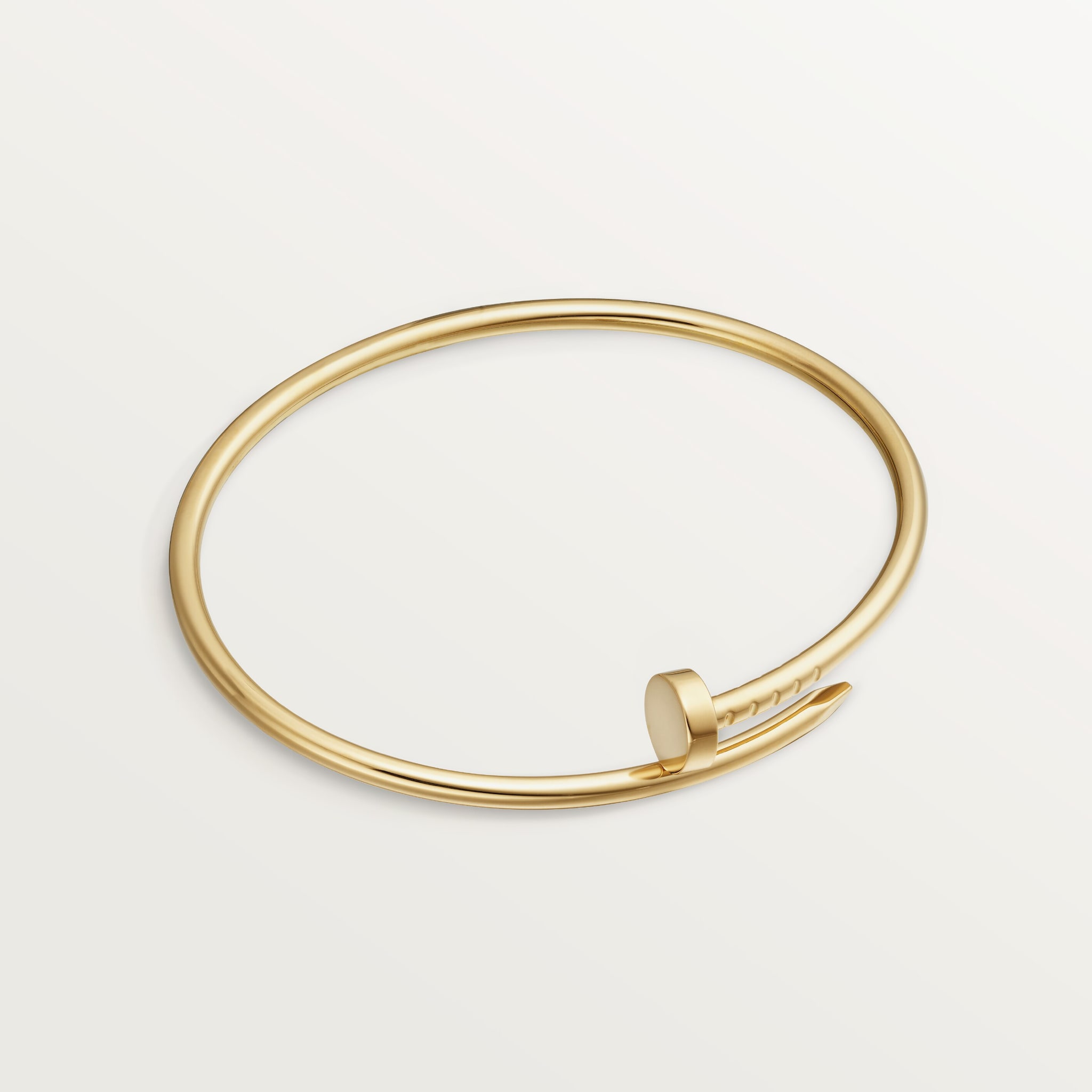
The best secondhand buys in this range: solid gold construction, a recognizable maker, an iconic design with at least a decade of secondary market history. Alhambra. Juste un Clou in a wearable size. Tiffany HardWear link pieces. These have real secondary liquidity, and because they’re gold-heavy, the melt value floor keeps climbing with spot price.
On the other end: unbranded diamond jewelry. You’re paying for a commodity stone in a generic setting, and if the diamond is undocumented, you have no reliable way to verify quality or origin. Lab-grown diamond pieces are worse. Wholesale lab-grown prices dropped 26 percent in 2025. Consumer-facing prices fell around 40 percent. A natural 1-carat diamond averages about $4,200. A lab-grown equivalent is under $1,000 and falling. The resale floor on lab-grown is somewhere between “declining” and “nonexistent.”
Trend-driven designs from brands without staying power are the third trap. If you can’t name the designer and the design doesn’t have secondary market history, you’re buying depreciation. The secondhand market is efficient enough that nobody is paying up for last season’s buzzy brand in two years.
The pricing band that works best for this is narrower than most people assume. Go below $1,000 and you’re mostly in costume territory. Go above $5,000 and independent appraisal starts mattering more than platform authentication. In between, the platforms take the work seriously and the most liquid pieces (Alhambra pendants, Love bracelets, classic gold chains) are well represented.
The Checklist
Hallmarks and serial numbers. Rebag won’t list a piece without legible ones. That’s your bar, regardless of platform. If a listing doesn’t show clear photos of hallmarks, ask for them. If the seller can’t produce them, you’re done.
Stone documentation. Vestiaire tells buyers, on their own site, to assume stones are treated unless a certificate says otherwise. For a $3,000 piece where part of the value is the stone, “no papers” should change what you’re willing to pay. Discount accordingly, or move on.
The gold math. At current prices, 18K gold runs about $112 per gram in melt value. A 30-gram gold piece listed at $4,500 is priced at a $1,131 premium over melt. That premium should account for maker, design, and condition. If the piece is unbranded and the design isn’t distinctive, the premium is too high. You can do this math on your phone in thirty seconds, and it’s the single best defense against overpaying on any platform.
The Alhambra pendant on Rebag was $2,750. Van Cleef’s counter was $2,970. Gold was at $4,675 and climbing. Retail climbing faster. The people shopping fine jewelry at these prices have done the math: a signed pendant at $2,750 functions more like a $400 to $700 rental against a position they can liquidate when they’re ready for the next piece. Do it once, you’ve bought a necklace. Do it as a practice, and you’ve built a rotation. A collection that redeploys itself. The money stays in the pieces, and the pieces keep moving.
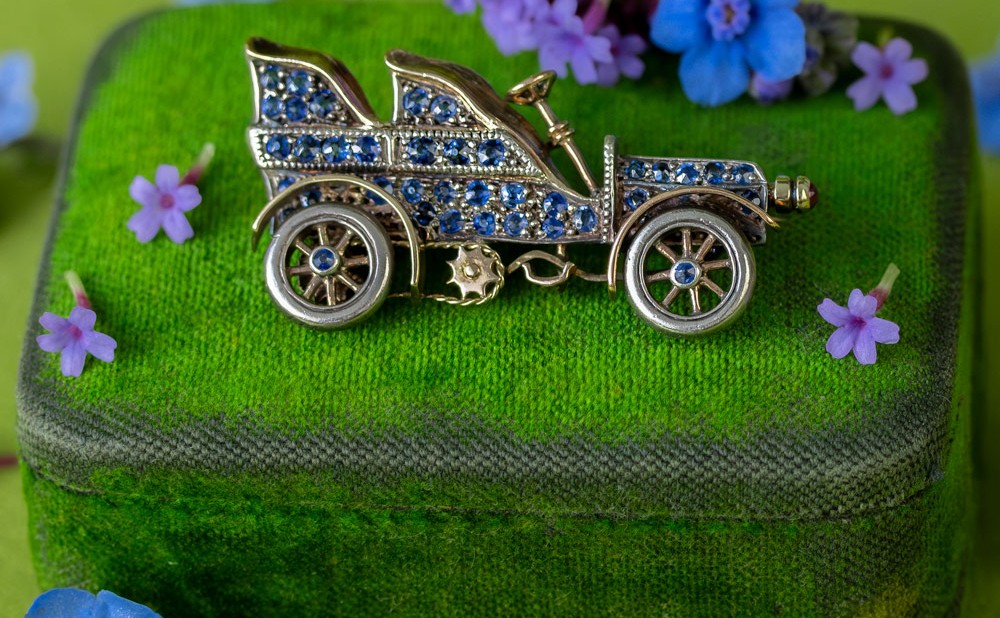
The Fine Jewelry Brooch: Where It Came From, Why It's Back, and Where It's Going
The brooch fastened clothing for thousands of years before it became ornament. Its history, the video-call origin of its return, what the fall shows added, and why the brooches worth buying now mostly sit in estate cases.
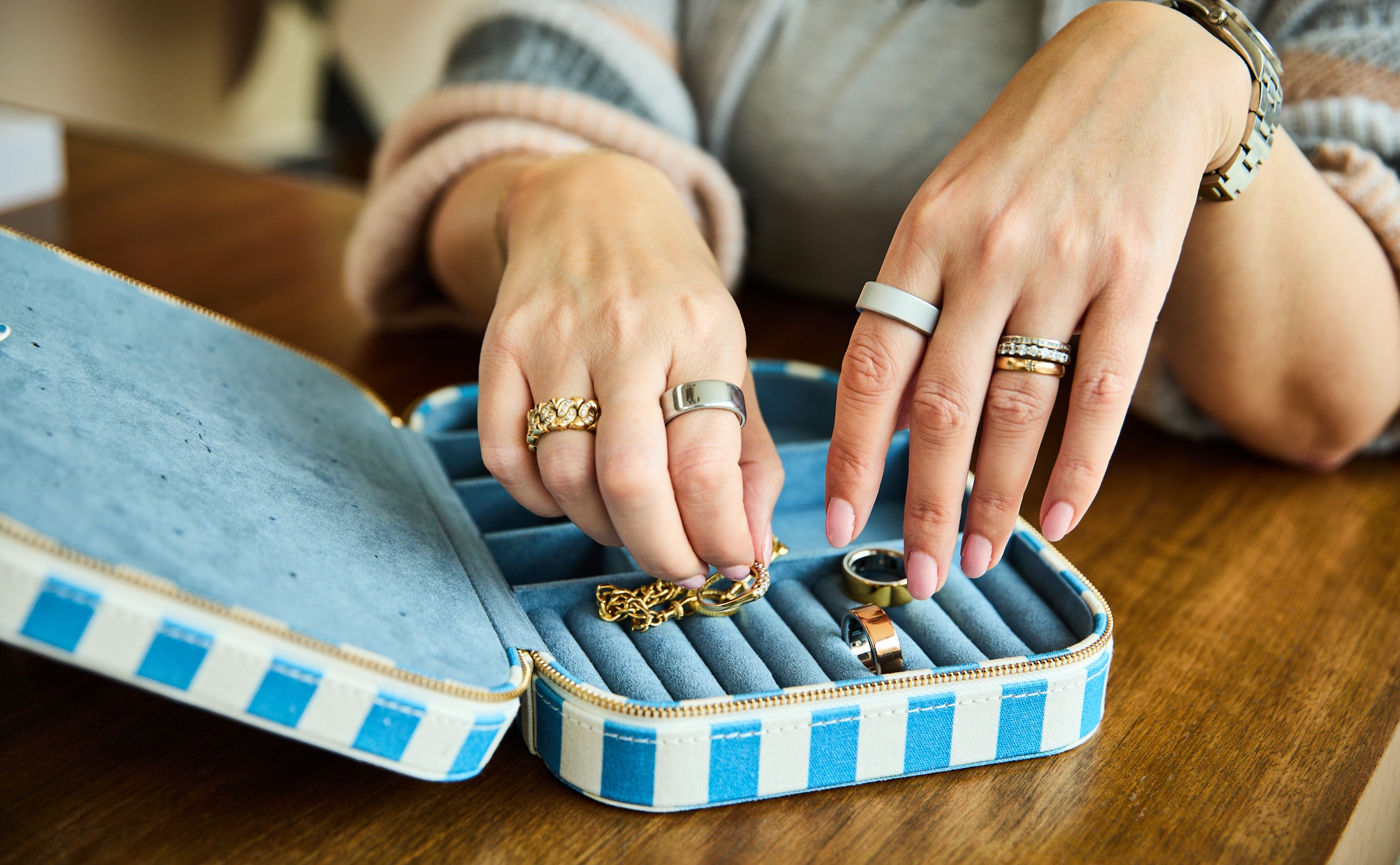
Smart Rings That Look Like Jewelry: Oura Ring 5 vs Ultrahuman Rare
The Oura Ring 5 is small enough to pass for a plain gold band, but its gold is a coating. Ultrahuman's Rare is solid 18k. Neither is quite fine jewelry, and whether either is worth it comes down to what you will trade.
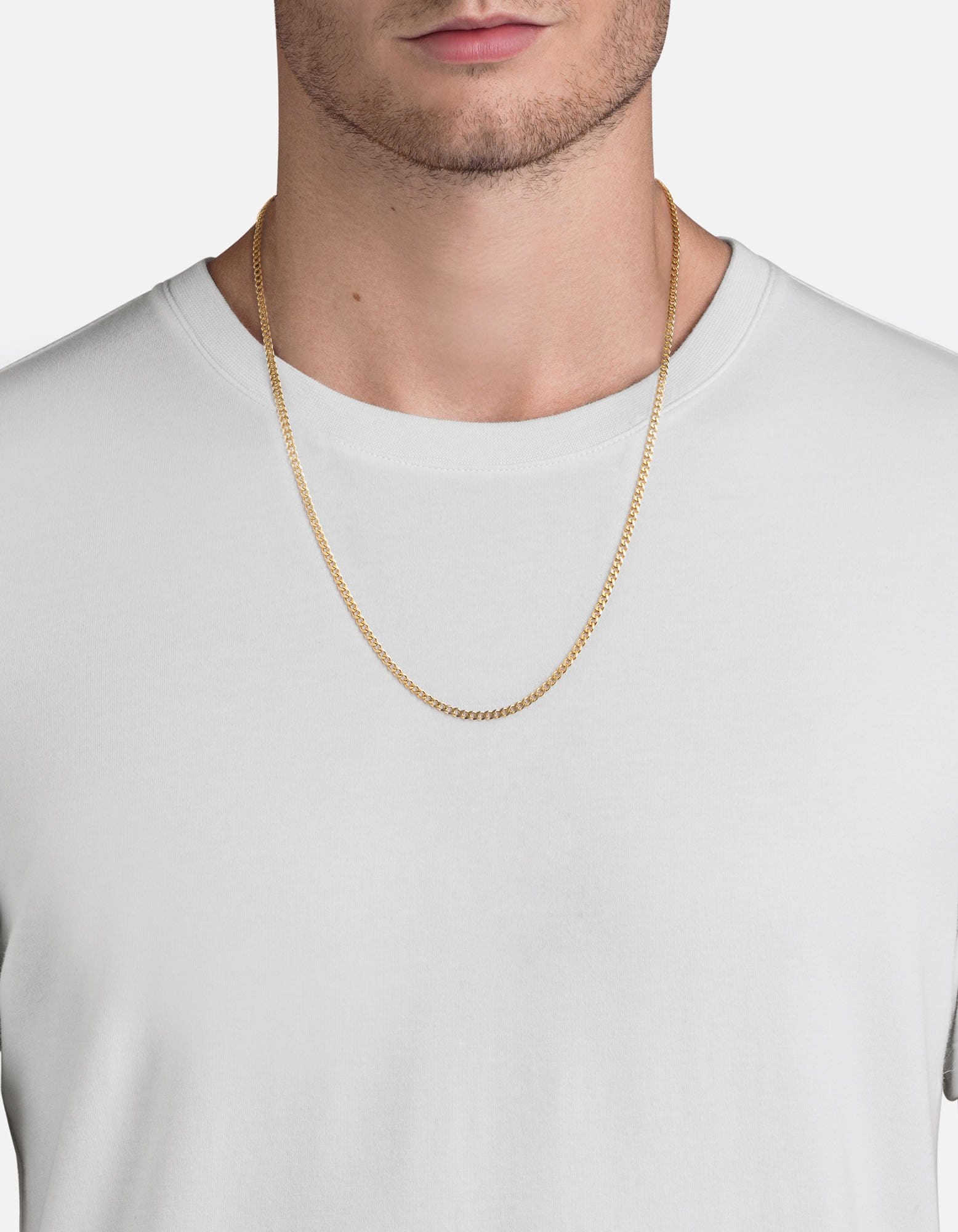
The Men's Fine Jewelry Guide: What's Worth Buying in Solid Gold
A map of men's fine jewelry in solid gold, from the gold chain to the rings past the signet: why solid gold over coated steel, what each piece costs, and who makes the version worth buying.
The newsletter.
One email when something is worth your attention. New essays, the buying calls behind them, and what we’re watching in the trade. No roundups, no affiliate dumps.