For 5,000 Years, People Bought Their Own Jewelry. Then Came De Beers.
For most of its 5,000 years, jewelry was the wearer's own wealth, rank, and protection. The gift-for-an-occasion default was built by De Beers advertising, and self-purchase is the older tradition returning.
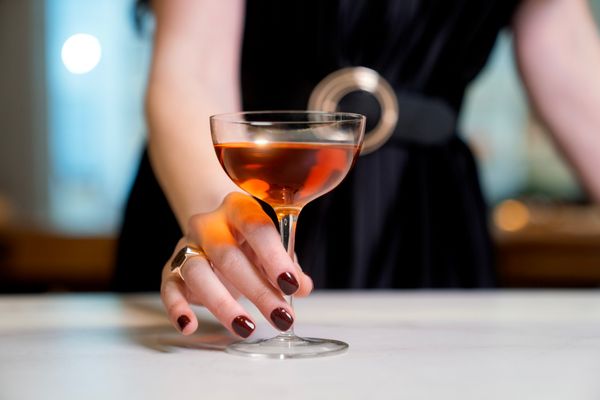
Fine jewelry comes with a familiar set of rules: it arrives as a gift, someone who loves you pays for it, and an occasion supplies the reason. The rules feel ancient. They are younger than sliced bread. The model in which a man buys a woman jewelry to mark a moment became the default through a De Beers advertising program that began in 1938 and finished the job by about 1990, and it worked so completely that two generations mistook it for the natural order. For most of the 5,000 years humans have worn jewelry, the person wearing a piece was the person who acquired it. Jewelry was rank made visible, wealth stored on the body, protection you could wear, and it belonged to the wearer, women included and men emphatically included. Against that history, today’s self-purchase market is a category remembering what it was for. The gift ritual is the recent invention.
What jewelry was for during its first 5,000 years
The Victoria and Albert Museum dates the human jewelry habit to about 5,000 years and lists its historic jobs as protection, status, wealth, love, and mourning. Love makes the list, well down the order. For most of recorded history the clearest thing a piece said was rank: Rome restricted the gold ring by class, and England’s Statutes of Apparel were still rationing gold, gems, and pearls by social station in 1574, dress codes with the force of law. The state legislated who could wear what because jewelry was power you could read across a room, and the crown wanted the reading kept accurate.
Jewelry was also the savings account you could wear. Before banking reached ordinary people, a family’s surplus lived in metal and stone, portable, divisible, pawnable in a bad year, and on display in the meantime. The British Museum’s research on jewelry in Tudor and Jacobean England concludes that men wore just as much of it as women, and possibly more. A courtier wore a meaningful share of his net worth to dinner, partly for show and partly because that is what net worth looked like before the deposit slip.
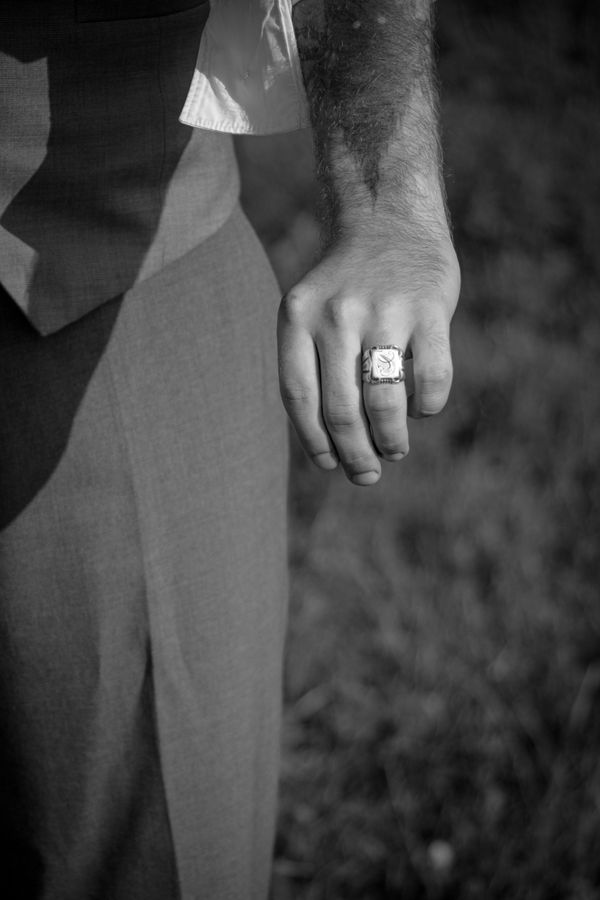
Gifts existed the whole time. Romans exchanged betrothal rings, medieval couples traded posy rings (bands engraved with a short verse), and love tokens turn up in every century of the record. They were one use among several, and the record keeps them a modest one.
Dowry, mahr, and paraphernalia: jewelry as a woman’s own wealth
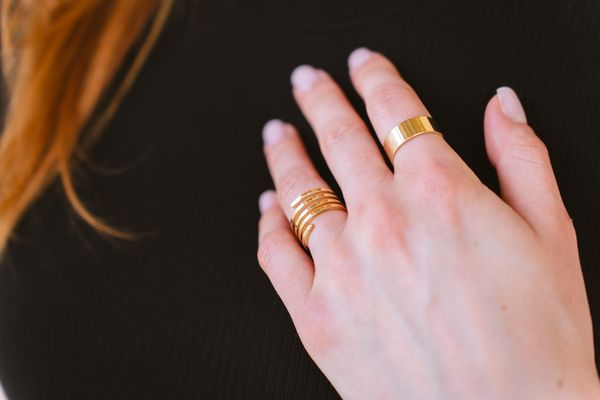
The part of the modern default that feels most natural, jewelry as something a woman receives, gets the history most backward. Across legal systems that agreed on almost nothing else, jewelry was one of the few forms of wealth a woman could own outright. Hindu law built a category called stridhan, literally the woman’s wealth: property, jewelry first among it, that belonged to the bride absolutely instead of folding into her husband’s estate. Islamic law’s mahr, the payment a groom owes the bride herself, was hers exclusively, whatever became of the marriage. And English common law, which otherwise dissolved a married woman’s legal identity into her husband’s, still carved out her paraphernalia, the jewels and ornaments a husband could not will away and his heirs could not claim.
The old world was no egalitarian idyll, and the honest version keeps the ugly part. Under coverture, the doctrine that a married woman had no separate legal existence, an ordinary Englishwoman could not buy or own property in her own name, and that held until the Married Women’s Property Acts of 1870 and 1882; American states began the same repair in 1839. Inside a marriage the man was usually the formal acquirer, because the law had made him the only one available. What the law chose to protect, when it protected anything of hers, was the jewelry. For a woman shut out of land and inheritance, a jewel was wealth she could hold, carry, and in a bad enough year, sell. Women with legal standing did their own acquiring all along; Elizabeth I commissioned and collected jewels on her own account.
The reading of jewelry as a woman’s own portable security is thousands of years old. The reading of it as a token a man selects for her on a schedule had to be built, and the construction is recent enough to have receipts.
The Great Male Renunciation: when men gave up ornament
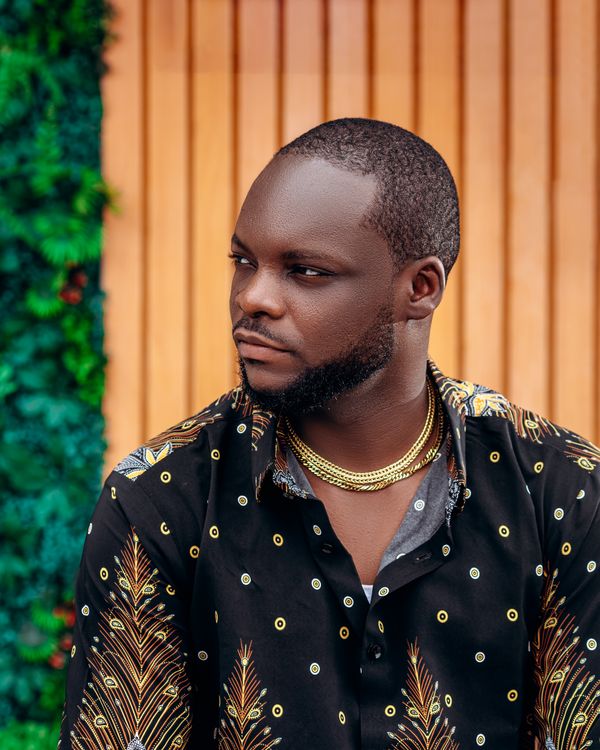
For most of history the loudest piece in the room was as likely on a man as on a woman. Then, in the decades around 1800, elite Western men put ornament down. The psychologist J.C. Flügel, writing in 1930, named it the Great Male Renunciation: men traded silk, color, and jewels for the plain dark suit and left conspicuous display to women. Historians have since argued the break was never as clean as the name suggests, and they have a point, since men kept the signet ring, the watch chain, and the cufflink, ornament rebadged as equipment. The direction still holds. “Men don’t wear jewelry” is a Western convention roughly two centuries old, sitting inside a 5,000-year record as a recent regional exception.
By 1938 the market was strangely shaped. Men had spent more than a century talking themselves out of jewelry, and women were about to be recast from owners of it to recipients of it. Into that opening walked an ad agency.
De Beers and the invention of the occasion gift, 1938 to 1990
De Beers in 1938 controlled most of the world’s diamond supply and none of the demand, which is why it hired the Philadelphia agency N.W. Ayer that year to build some. Nine years in, an Ayer copywriter named Frances Gerety gave the campaign its four famous words: “A Diamond Is Forever,” set down in 1947, in print from 1948, and named the top advertising slogan of the twentieth century by Ad Age. Agency lore has Gerety scribbling the line late one night, exhausted, and nearly discarding it, a story that has improved with each telling. The 1947 date is solid either way.
In 1939, industry estimates put a diamond ring on about 10 percent of American first-time brides. By 1990 the same series, compiled by Bain from trade data, put the share near 80 percent. Those are the diamond trade’s own estimates, so hold them loosely, and even held loosely they describe a tradition installed inside two generations.
Japan ran the cleaner experiment, because De Beers started from scratch there. The campaigns began in the 1960s; in 1967, fewer than 5 percent of engaged Japanese women received a diamond ring. By 1981 roughly 60 percent did, and Japan had become the world’s second-largest market for diamond engagement rings, a national tradition assembled in about fourteen years. Brisk work for something sold as eternal.
Even the etiquette was tuned by market. Ayer’s American ads suggested a month’s salary for the ring in the late 1930s and 40s, raised to two months in the 1980s; De Beers’ Japanese campaigns set the bar at three. A spending rule that varies by country and decade is a price floor dressed as manners.
The tradition’s birthday got backdated too. The origin story repeated everywhere has Archduke Maximilian of Austria giving Mary of Burgundy a diamond ring in 1477, routinely billed as the first diamond engagement ring. The date marks the earliest surviving written record, and the practice was already an aristocratic habit by then. A 1475 Italian wedding, Costanzo Sforza and Camilla d’Aragona, celebrated its diamond ring in verse, and a Petrus Christus painting from 1449, now at the Met, shows diamond rings for sale in a goldsmith’s shop. A ritual assembled after 1938 leans on 1477 because 1947 is too recent to sound sacred.
The return of self-purchase, by the numbers
The first big crack in the gift default came from its architect. In 2003 De Beers launched the right-hand ring with the agency J. Walter Thompson and the line “Your left hand says ‘we.’ Your right hand says ‘me.’” The campaign told women, specifically independent women in their forties through sixties, to buy their own diamonds, and the campaign moved product. Sixty-five years after building the occasion gift, De Beers built an occasion for buying without one, which is about as close as advertising comes to a confession.
The measurements since then come mostly from parties with something to sell, so each arrives with its sponsor attached. De Beers’ own 2025 study, published in June 2026 from a survey of 18,500 US women, found gifting leading at 44 percent of natural-diamond acquisition occasions, self-purchase at 31, and bridal at 25. The proposal, the occasion the whole edifice was built on, runs last in the sponsor’s own numbers. The same survey has Gen Z spending about $4,080 per natural-diamond piece against roughly $2,250 for boomers, so the youngest buyers are also the biggest per-piece spenders.
Platinum Guild International, the platinum trade’s marketing body, surveyed fine-jewelry buyers around 2018, counting pieces over $1,000, and found half had bought for themselves, including nearly three-quarters of the women and 37 percent of the men. PGI exists to sell platinum, so read the enthusiasm accordingly. Even so, half of fine-jewelry buyers were buying for themselves before the pandemic and well before anyone called it a movement, and the men’s number reads as the Renunciation unwinding on a delay, ornament drifting back to the people who wore it first.
The Jewelers Mutual finding that most self-purchasers now call themselves collectors stops sounding novel against this history. A buyer who tracks what she owns, buys on quality first, and adds to the set deliberately is treating jewelry as accumulated personal wealth, which is what it was for most of its 5,000 years.
The business results have followed, all the way to the top of the market. When Christie’s luxury division passed a billion dollars in sales in 2025, millennials and Gen Z made up 44 percent of its bidders and buyers. That figure spans watches, handbags, and wine alongside jewelry, and the direction at the trophy tier matches the direction at the counter.
The oldest reason to buy jewelry is your own
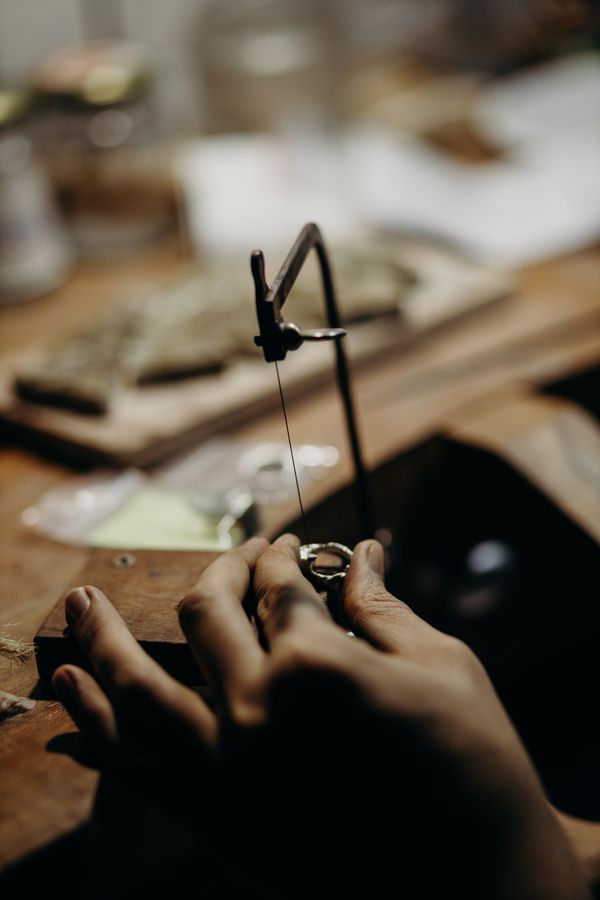
What the gift era left behind is a reflex. Walking into a jeweler for yourself still carries, for plenty of buyers, a faint obligation to justify the trip: an occasion rehearsed, a milestone borrowed, a story prepared for a purchase that would need no story if someone else were paying. The reflex is two generations old, the residue of advertising that did its job unusually well.
The longer tradition asks the questions a wearer-owner would ask instead of the ones an occasion asked: whether the piece is well made, whether the price is fair, and whether you will still want to wear it in ten years. Those are practical questions with practical answers, and buying for yourself, done right is a subject of its own. What the history settles is a prior question: whether you needed a reason to be standing at the counter at all. Of the practical three, the wealth question is the one the long view keeps, because whether a piece holds its value is the modern descendant of jewelry’s original job.
The long view does not abolish the gift. Jewelry given in love is real and always was; the 1475 wedding had a poem for its diamond, and nothing about that needs correcting. The narrower correction is about permission. Buying jewelry for yourself requires no occasion and no cover story, because for nearly all of the time humans have worn it, the buyer and the wearer were the same person. If the piece is good and the money is yours, that is the whole occasion. It was for about five thousand years.
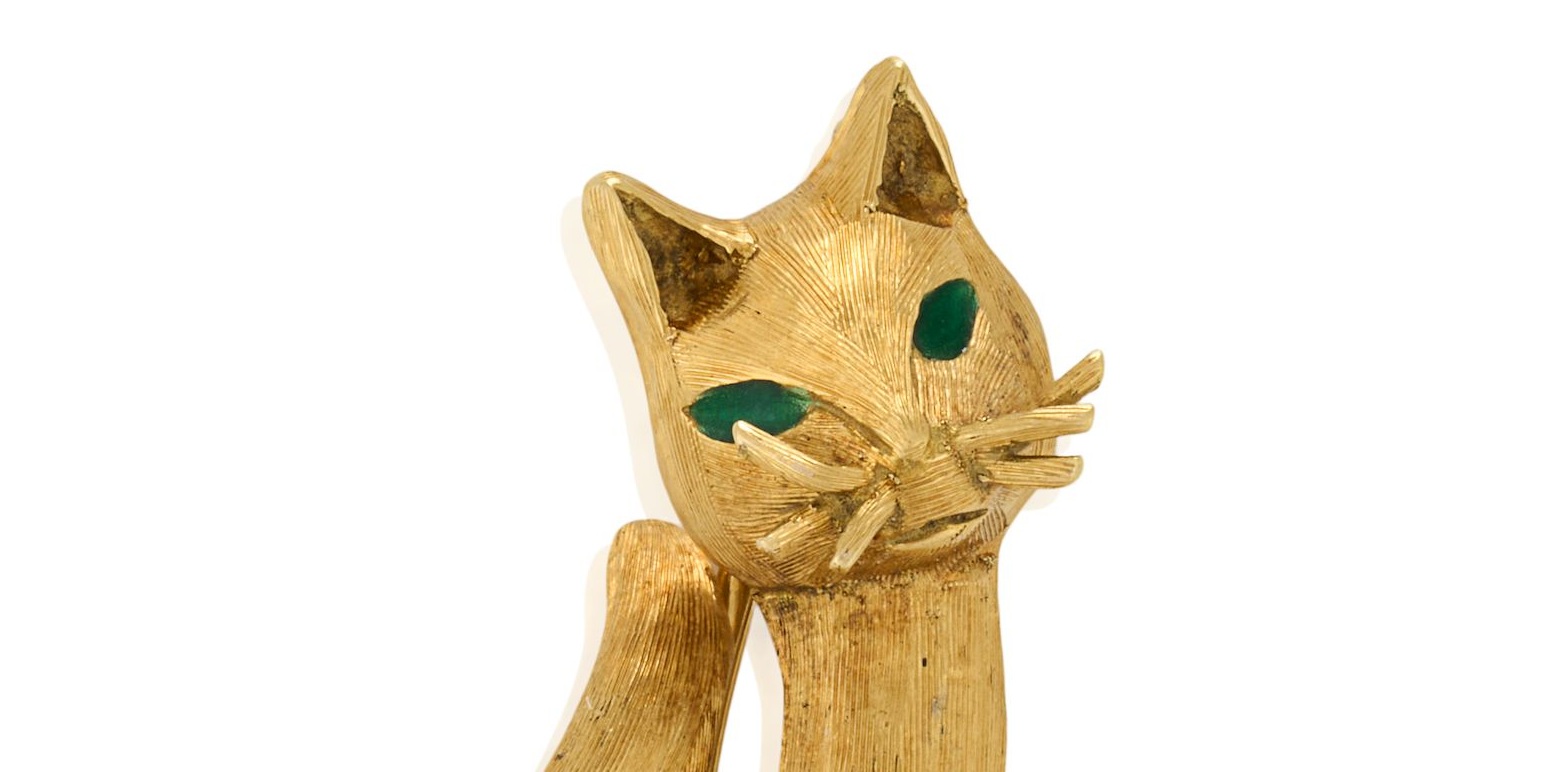
Sandy Lerner Is Rehoming Her Cats: A Tiffany Cat Brooch and Sixty-Five More
The Cisco co-founder spent four decades collecting cats in gold, enamel, amethyst and bronze. On 30 September 2026 Bonhams sells 66 of them in New York, from a $700 carved cat to a $120,000 bronze by the sculptor Rembrandt Bugatti. She is keeping the live ones.
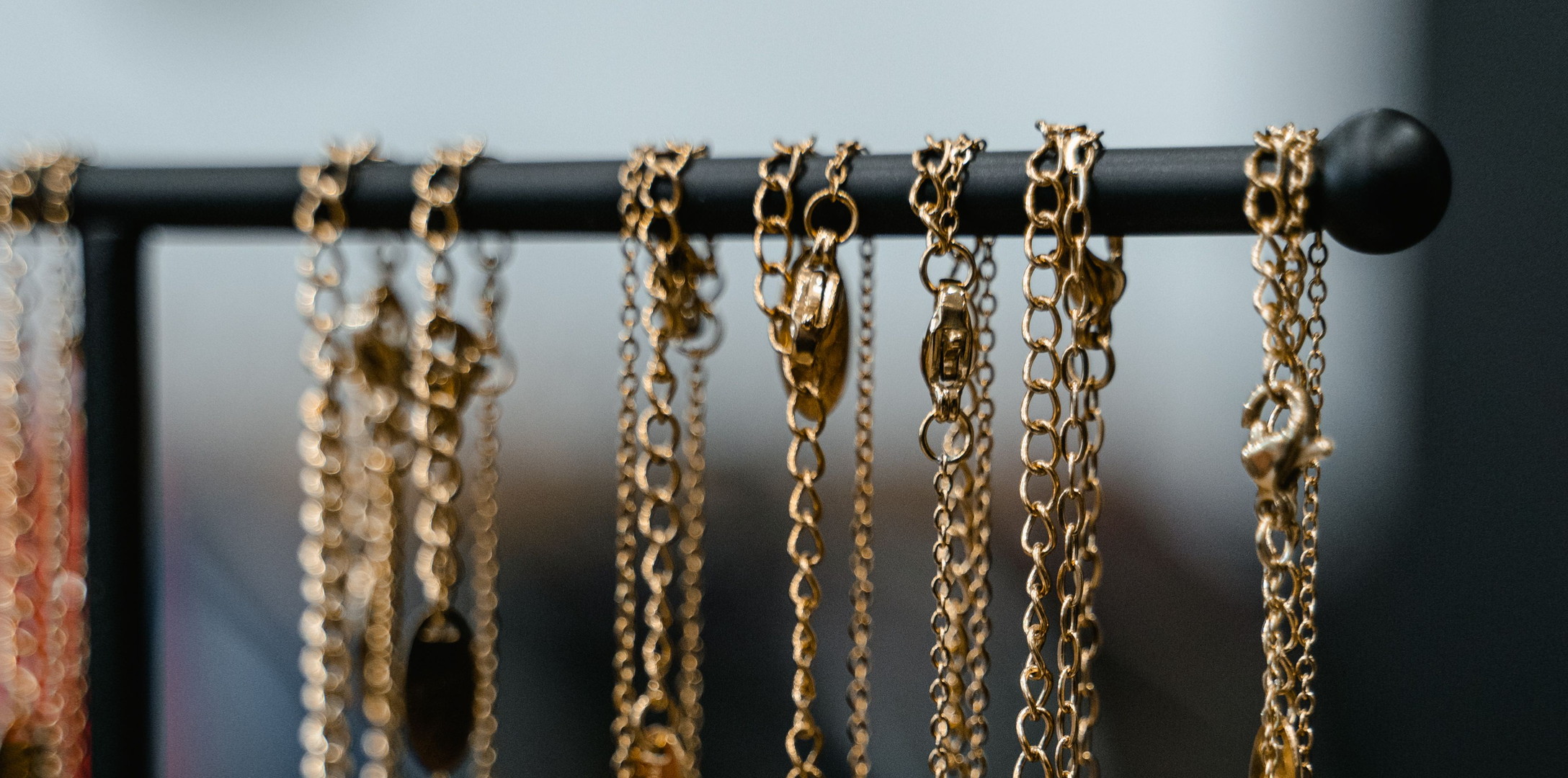
Why Are Jewelry Prices Still Going Up?
Jewelry costs about 15% more than it did a year ago, and it is the gold accounting for most of it. The answer coming back from the jewelry trade and brands is less gold in the piece, which changes what you have to ask for at the counter.
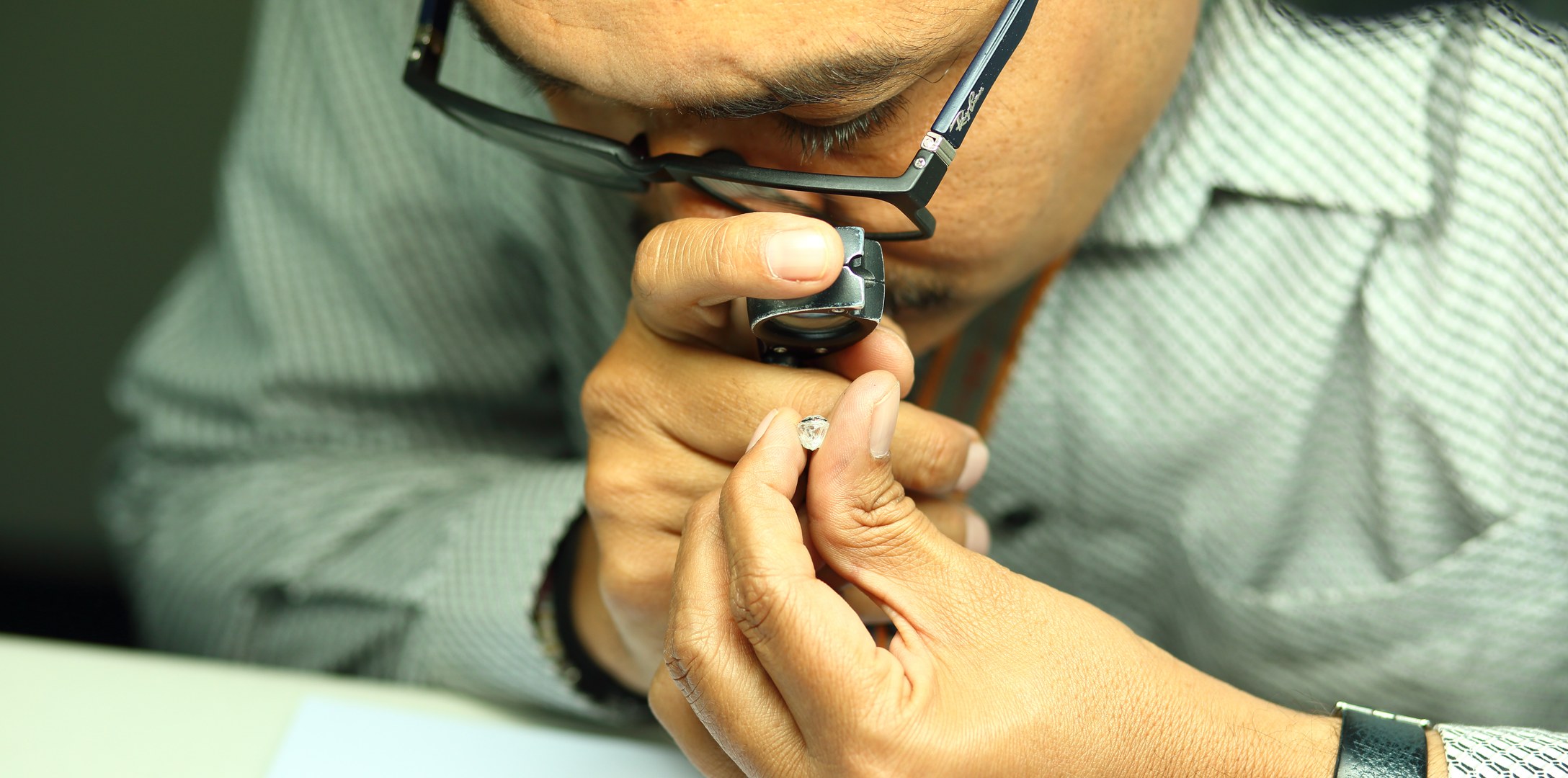
Natural Diamond Prices Are Going Up Again, at Least for Now
Lab-grown stones pushed mined diamond prices down for years. The diamond trade's price index rose again in August, led by small stones. What that changes for you.
The newsletter.
One email when something is worth your attention. New essays, the buying calls behind them, and what we’re watching in the trade. No roundups, no affiliate dumps.