
Buying Fine Jewelry for Yourself, Done Right
Self-purchase is now one of the main ways fine jewelry gets bought. When you buy for yourself, what matters is whether a piece is well made, fairly priced, and one you'll wear.
Not that long ago, the vast majority of jewelry was bought as a gift for someone else. Buying fine jewelry for yourself is a different purchase than buying it as a gift, and mostly a better one. There’s no deadline, no second-guessing someone else’s taste, the budget is yours, and (hopefully) you get exactly what you want. The gift occasion that used to organize the whole buying process and marketing: the anniversary, the proposal, the December box, is a cardboard cutout in the back corner, and the front of the store is more dedicated to making you want to buy a piece for yourself.
The practical questions in this buying process are pretty much the same: whether a piece is well made, what a fair price looks like, and how much of what you pay goes into the gold and the stone instead of the name on the box, and which one holds an investment better. But the motivations are different. Self-purchase is now one of the main ways fine jewelry is bought, so the market is increasingly built for you and not someone who wants to buy you something. Unless that someone is you, then it’s also built for you.
Why buying jewelry for yourself ever felt strange

The reflex that jewelry is given or bought for a special occasion has a history, and that history isn’t yours. As recently as September 2003, De Beers ran a campaign telling women to buy their own diamond: “Your left hand says ‘we.’ Your right hand says ‘me.’” Built by the agency J. Walter Thompson, it made the right-hand ring the one you buy for yourself, and it caught on: one Cincinnati jeweler told NBC News his own right-hand-ring sales jumped sharply the quarter after the campaign launched. So even once it was clear people were buying for themselves, the industry’s answer was to hand them a new occasion to drive sales up, so the purchase still needs a reason. That’s the reflex you inherited.
For most of the last century, fine jewelry was sold with a third party standing in the middle of the transaction encouraging all the sides. The advertising spoke to him, to buy for her. The occasion calendar (engagement, anniversary, the December gift) was his calendar. “He Went to Jared,” the tagline Signet ran for roughly eighteen years, was a punchline about a man who’d done well by his partner, and it ran until Jared retired it in November 2018. The woman in the ad received. She rarely shopped.
That’s the big jewelry brand script still sitting behind the flinch at the counter. You were cast as the person who receives, while someone else did the choosing. The right-hand ring is the cleanest example of how the trade handled the buyer who showed up to buy for themselves: it wrote them a cameo in the gift story instead of a story of their own. You could buy, as long as you brought an occasion with you. It’s 2026, throw that out the window.
Just how normal self-purchase has become
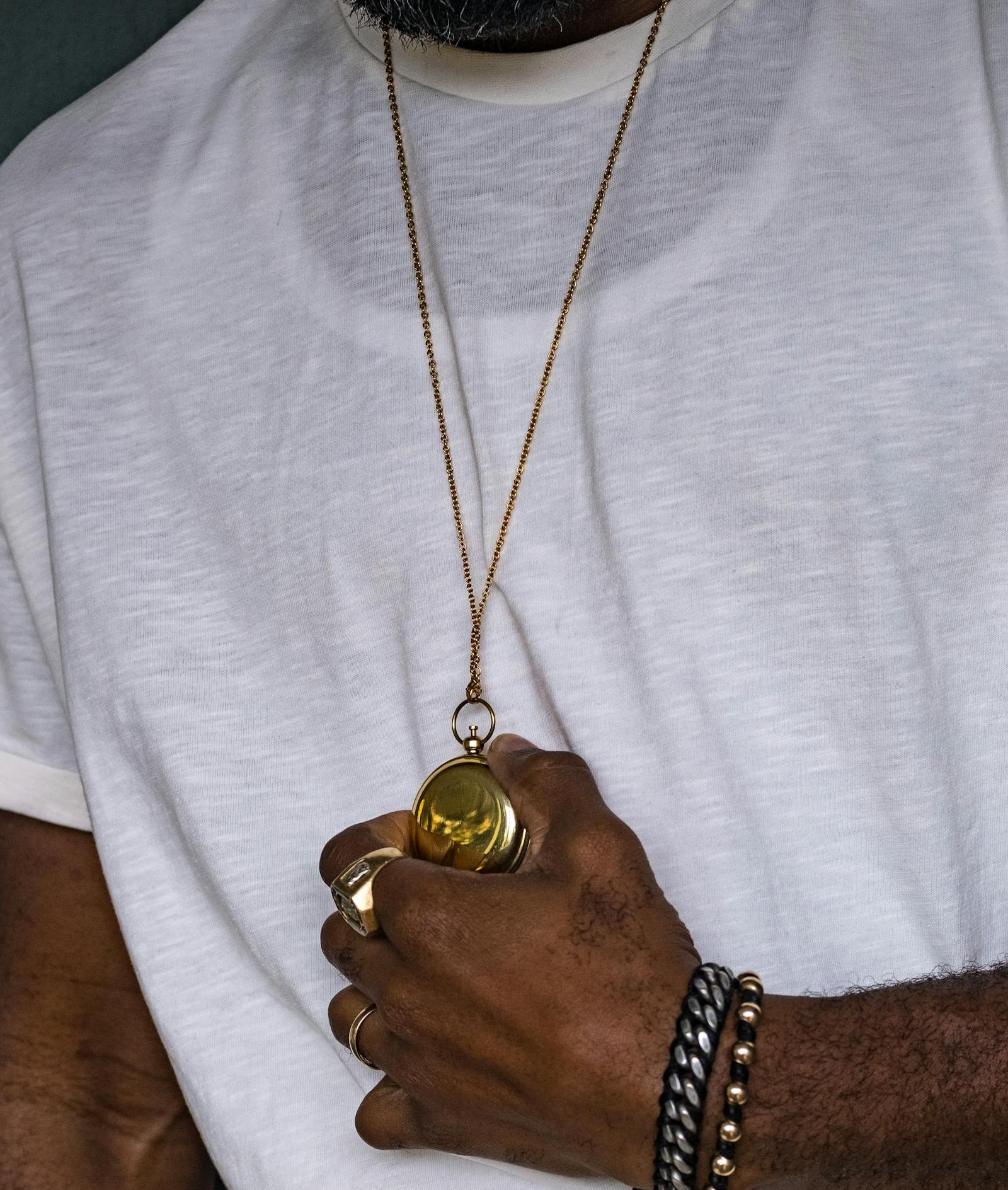
If the flinch tells you this is unusual, the numbers say otherwise. In a 2025 Jewelers Mutual study, nearly 60 percent of the people buying fine jewelry for themselves called themselves collectors: they keep track of what they own, they know what they want next, and their reasons to buy are birthdays, holidays, and “just because.” When they choose a piece, quality is the thing they weigh first, well ahead of price, which is how you shop for something you plan to keep for years. That’s a standing habit rather than a special occasion, and it’s now one of the main ways fine jewelry gets bought. If that sounds like you, or like where you’re headed, you’re in good company.
None of this is new, either. Platinum Guild International research, back in 2020, found that half of everyone who had bought fine jewelry in the prior two years had bought at least one piece for themselves. Women did it most, close to three-quarters of them, but more than a third of men had done it too, so this was never only a women’s habit. It counted real fine jewelry, precious metal and gemstones at the upper end, so it’s measuring people buying the way you’re thinking about buying.
Half of everyone who buys fine jewelry has already bought at least one piece for themselves.
Whole companies exist for this now. Ring Concierge started out in custom engagement rings and now makes most of its money from customers buying for themselves. When a business gets built entirely around people buying the way you want to, that’s a fairly loud answer to whether you’re the exception.
Why it can still feel like it needs a reason
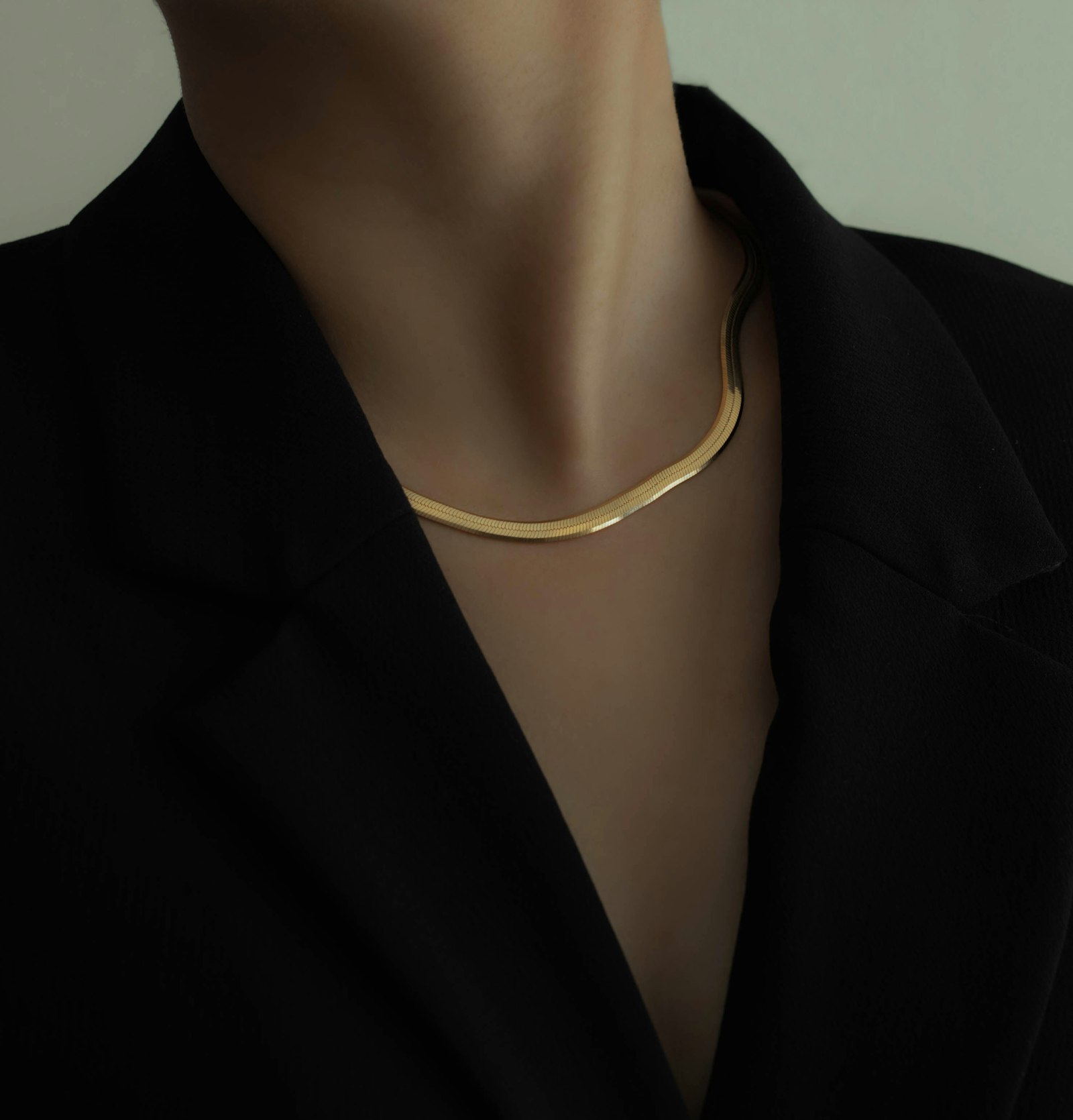
Walk into a good independent jeweler today and you probably won’t feel the old gift-giver assumption pressing on you. The trade has caught up. The merchandising now speaks to the buyer shopping for themselves, the campaigns show the wearer choosing the piece, and the reflexive “is this a gift?” before anything else is rarer than it was. What’s slower to change is the reflex itself. The data already makes self-purchase the normal case, but the old habit of reaching for a reason outlived the ads that created it. It was never really in the stores anyway. It was in the story about who jewelry was for.
What matters when the piece is for you

Without an occasion doing the work, three plain questions are left: is it well made, is the price fair, and do you want it.
Well made is something you can learn to see, and it’s worth learning, because you’re the one wearing it for years: solid metal, a real stone, clean work you can inspect up close. Price rides on the same thing. Buying for yourself, you set the number and no one is grading it, so the only test that matters is where the money goes. At any budget, a fair price is one where most of it ends up in the metal and the stone rather than the name on the box, which is why a maker worth knowing usually beats a name you recognize from ads. Whether the piece also holds its value over time is a separate question, a worthwhile one.
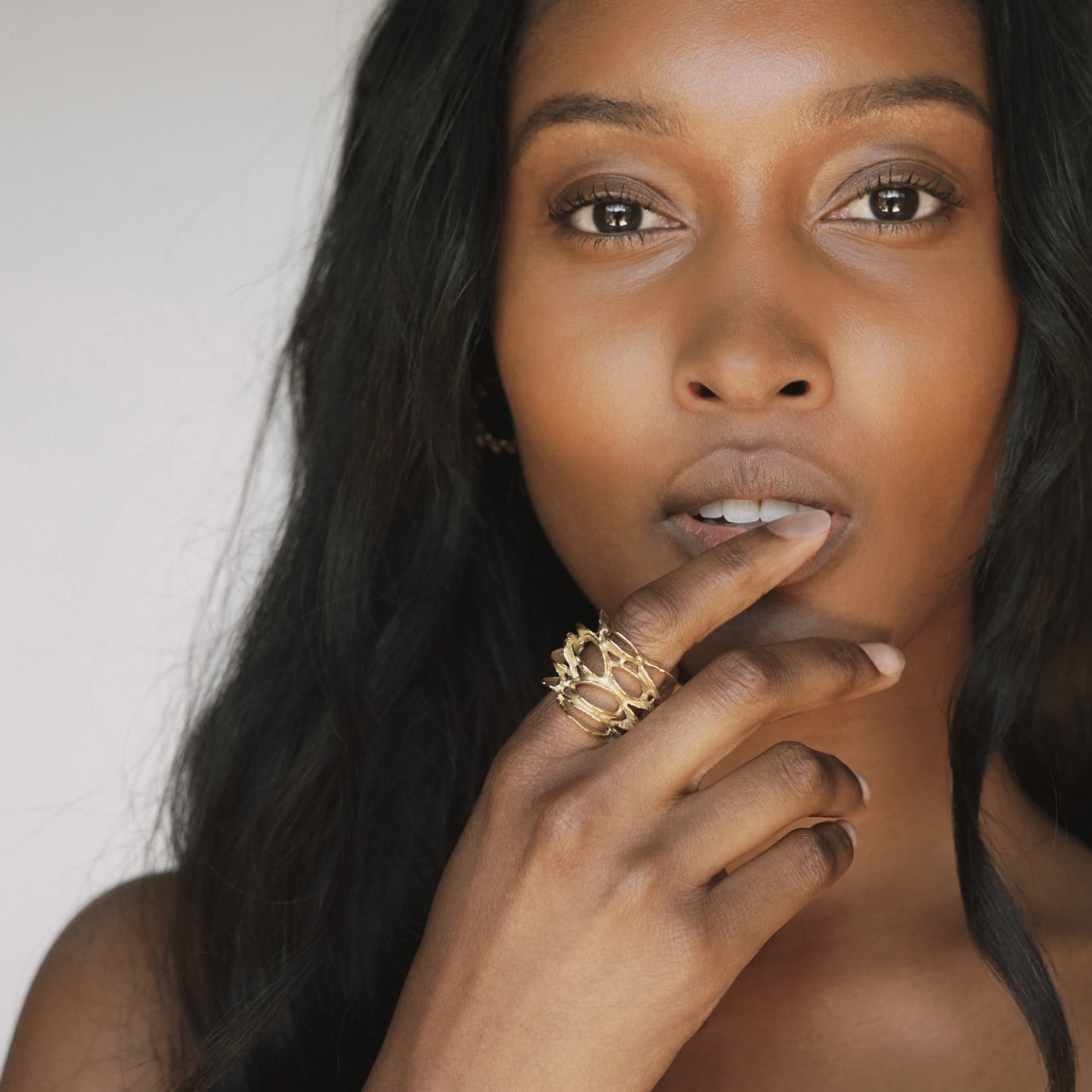
Whether you want it is the whole point, and usually the easy part. So the only thing left to figure out is which piece of fine jewelry to buy first.
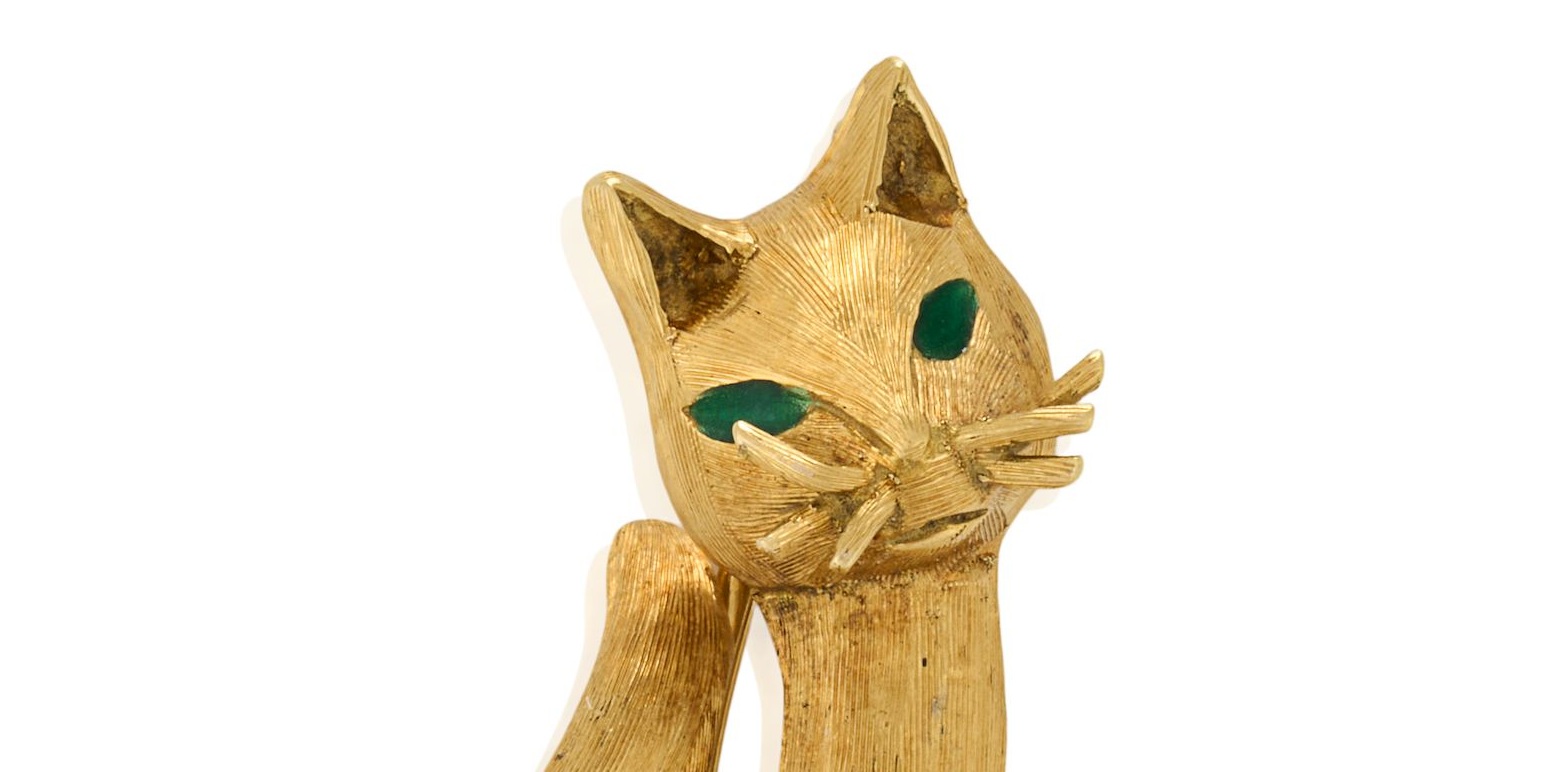
Sandy Lerner Is Rehoming Her Cats: A Tiffany Cat Brooch and Sixty-Five More
The Cisco co-founder spent four decades collecting cats in gold, enamel, amethyst and bronze. On 30 September 2026 Bonhams sells 66 of them in New York, from a $700 carved cat to a $120,000 bronze by the sculptor Rembrandt Bugatti. She is keeping the live ones.
Why Are Jewelry Prices Still Going Up?
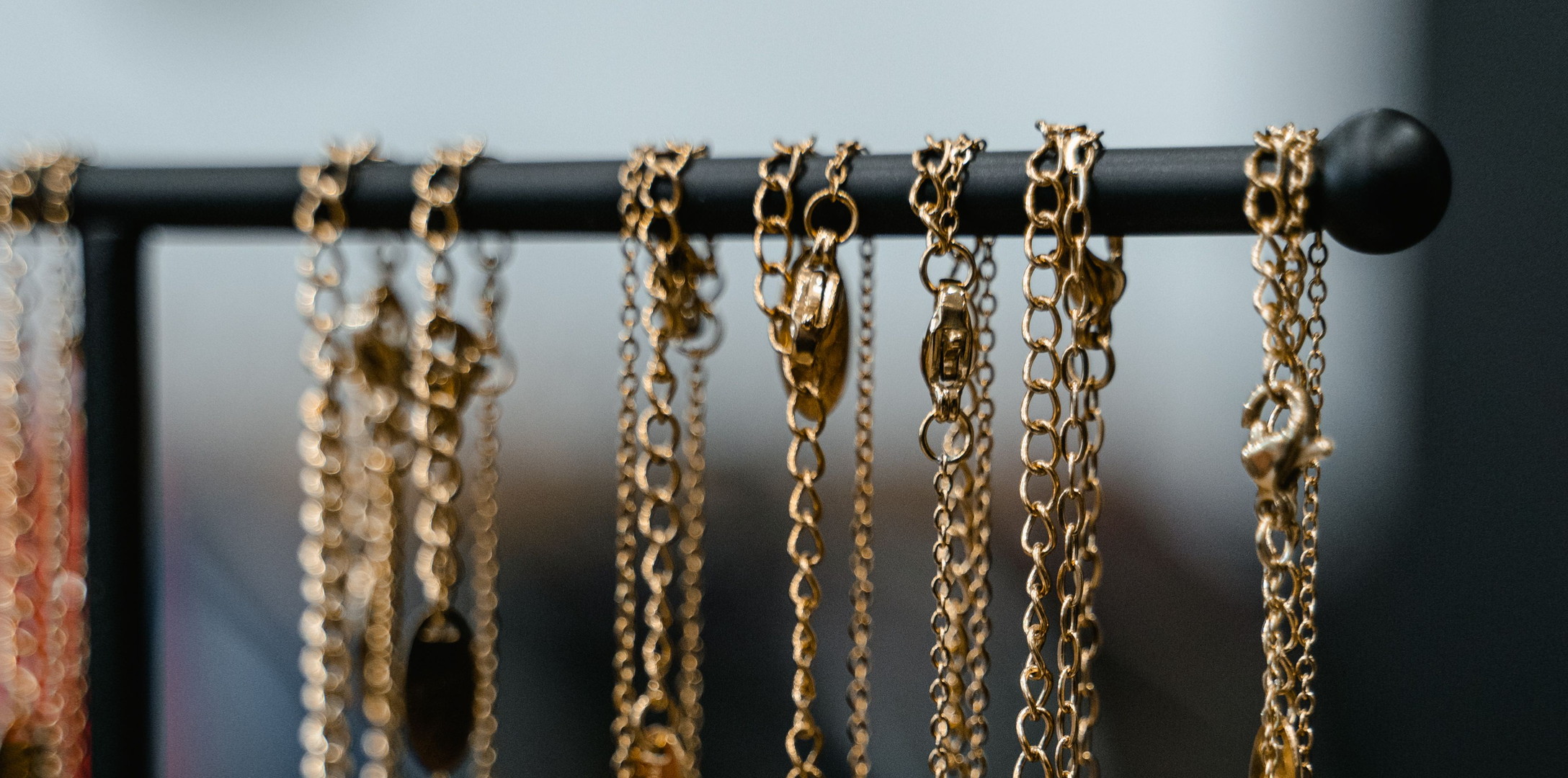
Jewelry costs about 15% more than it did a year ago, and it is the gold accounting for most of it. The answer coming back from the jewelry trade and brands is less gold in the piece, which changes what you have to ask for at the counter.
Natural Diamond Prices Are Going Up Again, at Least for Now
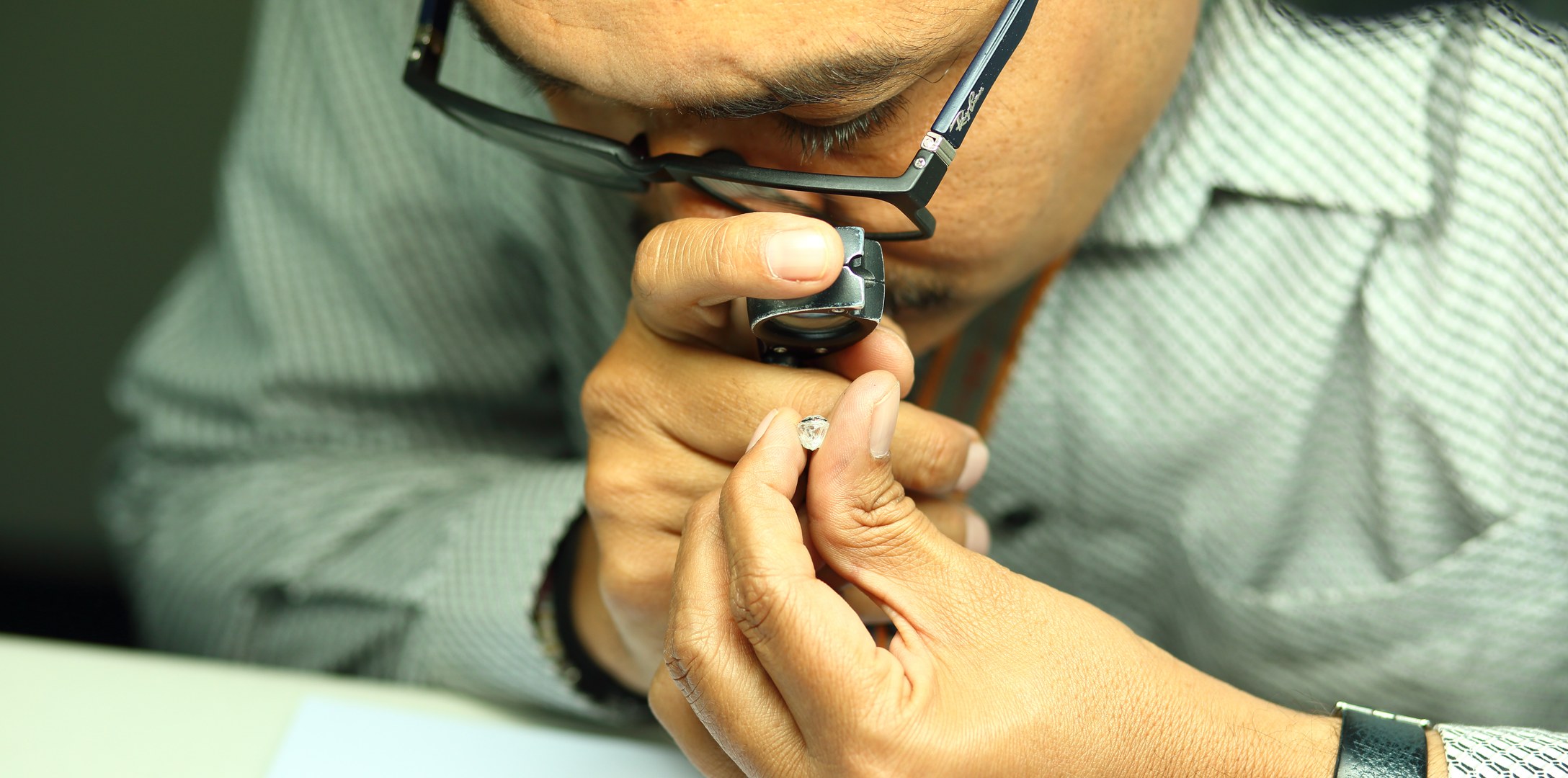
Lab-grown stones pushed mined diamond prices down for years. The diamond trade's price index rose again in August, led by small stones. What that changes for you.
The newsletter.
One email when something is worth your attention. New essays, the buying calls behind them, and what we’re watching in the trade. No roundups, no affiliate dumps.